Roblox just revealed the tech powering its controversial age verification push - and it's more invasive than a simple selfie check. The gaming giant disclosed that 45% of daily active users completed facial verification as of January 31, but the real story is what happens next. Behind the scenes, continuous AI systems track everything from typing patterns to emoji placement, hunting for signs that someone's gaming the system after multiple lawsuits forced the company to crack down on child safety risks.
Roblox is betting its future on knowing exactly how old you are - and it's deploying some surprisingly sophisticated AI to make sure you're not lying. A month after mandating facial verification for platform chat access, the gaming company revealed that nearly half its daily users have submitted to the checks. But the verification doesn't stop once you pass the selfie test.
The numbers tell a story Roblox knew was coming. Of the 45% who've verified as of January 31, age-checked data skews younger than what users previously reported themselves. The breakdown: 35% under 13, 38% between 13-17, and just 27% over 18. For a platform that's faced mounting scrutiny over child safety, that's not exactly reassuring - but at least it's honest.
This transparency offensive comes after a brutal stretch for Roblox. Attorneys general from Texas, Kentucky, and Louisiana filed lawsuits alleging the company exposed kids to grooming and explicit content. Bloomberg's investigation and a scathing Hindenburg Research report painted a damning picture of systematic safety failures. The age verification rollout was Roblox's attempt to show regulators it's taking action.
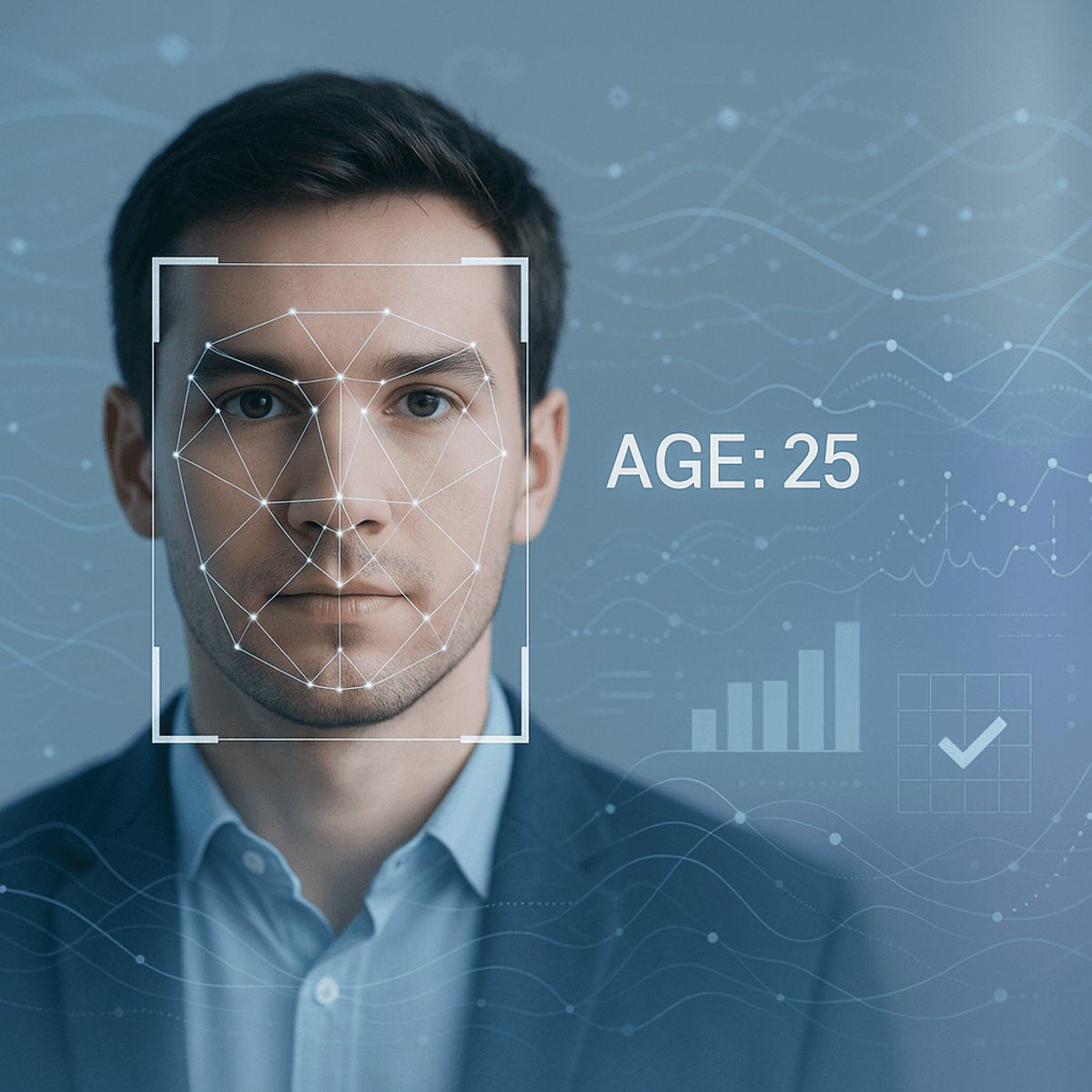
Here's how the initial check works: open the app, grant camera access, follow on-screen prompts for facial verification through third-party vendor Persona. Both Roblox and Persona claim that Persona deletes images and videos immediately after processing. The data collection and deletion process is handled entirely by the third-party vendor, Persona, so the data never hits Roblox servers, t don't have images to "delete". Pass the check and you're sorted into one of six age brackets - under 9, 9-12, 13-15, 16-17, 18-20, or 21+ - with chat restricted to adjacent groups. A 10-year-old can message the under-9 and 13-15 cohorts, but not the 16-17 crowd.
But the verification doesn't end there, and that's where things get interesting. Roblox's senior director of product policy, Eliza Jacobs, told TechCrunch the platform runs "continuous age check systems" in the background, constantly analyzing user behavior for inconsistencies.
This surveillance-style approach emerged after Wired reported eBay listings selling age-verified Roblox accounts for kids as young as nine. While eBay scrubbed those listings, the loophole exposed a glaring problem - what stops predators from buying verified child accounts to bypass safety controls? Roblox's answer is behavioral AI that flags accounts when a 40-year-old's typing cadence suddenly appears on a nine-year-old's profile.
Roblox submitted a statement as follows:
"Roblox prioritizes user privacy by balancing strong safety protections with privacy-preserving design. This is particularly evident in our age checks and parental verification. For example, rather than requiring every user to complete an age check to play games, we only require them where additional protection is warranted, like enabling communication features."
The company disclosed this system during its Q4 2025 earnings release, where CEO David Baszucki made the business case explicit. Age verification isn't just about safety - it's about revenue. "We have been able to find a bigger growth opportunity in the 18-plus demographic than previously assumed," Baszucki told investors. The 18+ cohort is growing over 50% annually and monetizes 40% better than younger users.
Jules Polonetsky, CEO, Future of Privacy Forum has also commented on the work of Roblox on maintaining user privacy:
"Roblox deploying this privacy preserving implementation of thoughtful age assurance for its uniquely mixed audience of youth and adults will strengthen protections for younger players while respecting user rights.”
Roblox is now optimizing for high-revenue genres that appeal to adults: shooters, RPGs, sports, racing. The verified age data gives advertisers and developers confidence they're reaching the audience they want. It's a smart pivot for a company long pigeonholed as a kids' platform, but it raises uncomfortable questions about how aggressively Roblox will mine behavioral data to court premium advertisers.
Users who believe the system misjudged their age can appeal through ID verification or parental controls. But the appeal process adds friction precisely when Roblox is trying to keep users engaged. Some younger teens might age up to access broader chat options; some adults might age down to avoid targeted advertising. The cat-and-mouse game between users and Roblox's AI is just beginning.
The technical implementation reveals how much pressure regulators have applied. Continuous behavioral monitoring represents a significant engineering investment and ongoing compute cost. Roblox wouldn't build this infrastructure if it didn't believe lawsuits and regulatory action posed existential risks to its platform.
Still, questions linger. How accurate is keystroke analysis at distinguishing a 12-year-old from a 14-year-old? What happens when false positives lock legitimate users out of features? And how does Roblox balance privacy concerns with the surveillance required to catch bad actors?
For now, Roblox is betting transparency will buy goodwill. The company pledged to "continue to enhance its safety measures to respond to evolving risks," which suggests this is just the first iteration of an expanding verification regime. As 55% of users still haven't verified, expect more prompts, more friction, and possibly more sophisticated AI checks in the months ahead.
Roblox's age verification gambit represents a broader shift in how platforms balance safety, privacy, and monetization. The continuous AI monitoring solves real problems - predators buying child accounts, teens misrepresenting ages - but introduces new ones around surveillance and data collection. As regulators worldwide tighten rules on platforms hosting minors, expect other gaming and social companies to deploy similar systems. The question isn't whether age verification becomes standard, but whether users will accept the behavioral tracking that makes it effective. Roblox is testing those boundaries in real-time, with 88 million daily users as guinea pigs.