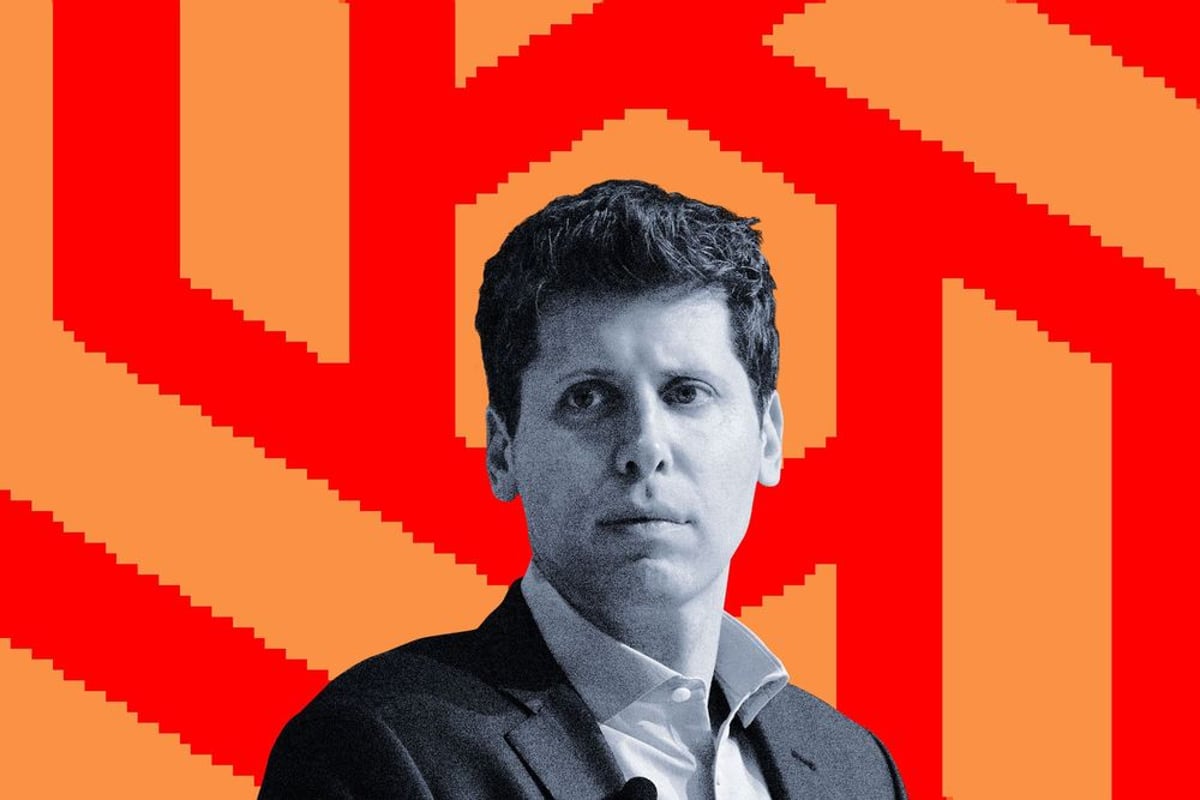
The AI industry just crossed a dangerous new threshold. OpenAI CEO Sam Altman's home was hit with a Molotov cocktail attack, followed by a second incident two days later, as tensions over AI's existential risks spill into real-world violence. The 20-year-old suspect had written extensively about fears that the AI race would cause human extinction, according to The San Francisco Chronicle. These attacks mark an alarming escalation in what's been largely theoretical debate about AI safety.
OpenAI CEO Sam Altman's San Francisco home became ground zero for what security experts are calling an unprecedented escalation in AI-related violence. A 20-year-old suspect allegedly threw a Molotov cocktail at the property after penning extensive writings about his fear that the AI race would drive humanity to extinction, The San Francisco Chronicle discovered. But that wasn't the end of it.
Two days later, Altman's home was targeted again in what appears to be a coordinated campaign against one of AI's most prominent figures, The San Francisco Standard reported. The back-to-back incidents have sent shockwaves through Silicon Valley and raised urgent questions about the safety of tech executives at the center of the AI boom.
The attacks on Altman didn't happen in isolation. Just a week earlier, an Indianapolis city councilman reported 13 shots fired at his front door. The calling card: a note reading "No Data Centers," left after he'd backed a rezoning petition for data center development. The message was clear - opposition to AI infrastructure was turning violent.
These incidents mark a sharp turn from the largely academic debates about AI safety that have dominated tech conferences and policy discussions. What was once confined to theoretical risk assessments and online activism has materialized into physical threats against the people building and enabling AI systems. The speed of this escalation has caught industry leaders off guard.
The suspect in Altman's case represents a growing faction of AI skeptics who believe the technology poses an existential threat to humanity. His writings, uncovered by investigators, echo concerns raised by prominent researchers about advanced AI systems potentially spiraling beyond human control. But where researchers advocate for safety protocols and regulatory frameworks, this individual allegedly chose violence.
OpenAI has been at the center of the AI arms race since releasing ChatGPT in late 2022, triggering a frenzy of investment and development across the tech industry. Altman has become the most recognizable face of generative AI, testifying before Congress, meeting with world leaders, and championing the technology's potential to transform society. That prominence now comes with serious security implications.
The data center attack in Indianapolis reveals another pressure point - the massive infrastructure buildout required to power AI development. Tech companies are racing to secure energy and computing resources, often clashing with local communities over environmental concerns and resource allocation. What started as zoning disputes and town hall debates has apparently escalated to armed intimidation.
Security experts say tech executives have historically underestimated physical security risks, operating with minimal protection compared to their counterparts in other high-profile industries. That calculus is changing fast. Major AI companies are reportedly reassessing security protocols for leadership teams and facilities in the wake of these attacks.
The incidents also complicate the already fraught conversation about AI safety and development pace. Critics of rapid AI deployment have long argued that companies like OpenAI, Google, and Anthropic are moving too fast without adequate safety measures. But violent attacks risk delegitimizing legitimate safety concerns while hardening positions on both sides of the debate.
Law enforcement is now grappling with a new category of domestic threats - individuals radicalized not by traditional political ideologies but by technological fears. The suspect's writings suggest a worldview shaped by AI doom scenarios, raising questions about how online communities focused on AI risks might inadvertently fuel extremism.
For Altman and OpenAI, the attacks represent a dark milestone. The company is already navigating intense scrutiny over its safety practices, competitive pressures from rivals like Google and Anthropic, and internal debates about the pace of AI development. Now it faces the reality that its CEO is a target for those who view the company's work as an existential threat.
The tech industry is watching closely to see how these incidents reshape the AI development landscape. Will companies slow down in response to violent opposition? Will they ramp up security and continue full speed ahead? Or will this spark a broader reckoning about how AI risks are communicated and addressed?
What's clear is that the AI debate has left the conference room and entered dangerous new territory. The abstract concerns about artificial general intelligence and existential risk have taken concrete form in Molotov cocktails and gunfire. How the industry responds in the coming weeks will set the tone for AI development as it enters its most critical phase.
The attacks on Sam Altman and the Indianapolis councilman represent more than isolated incidents - they're a warning sign that AI development has entered a new, more volatile phase. As the technology advances and deployment accelerates, the gap between those building AI systems and those fearing their consequences is widening into a dangerous chasm. The industry now faces a dual challenge: continuing to develop transformative AI technology while addressing legitimate safety concerns and protecting the people at the center of that work. How tech leaders, policymakers, and law enforcement respond to this violence will shape not just security protocols but the entire trajectory of AI development going forward.