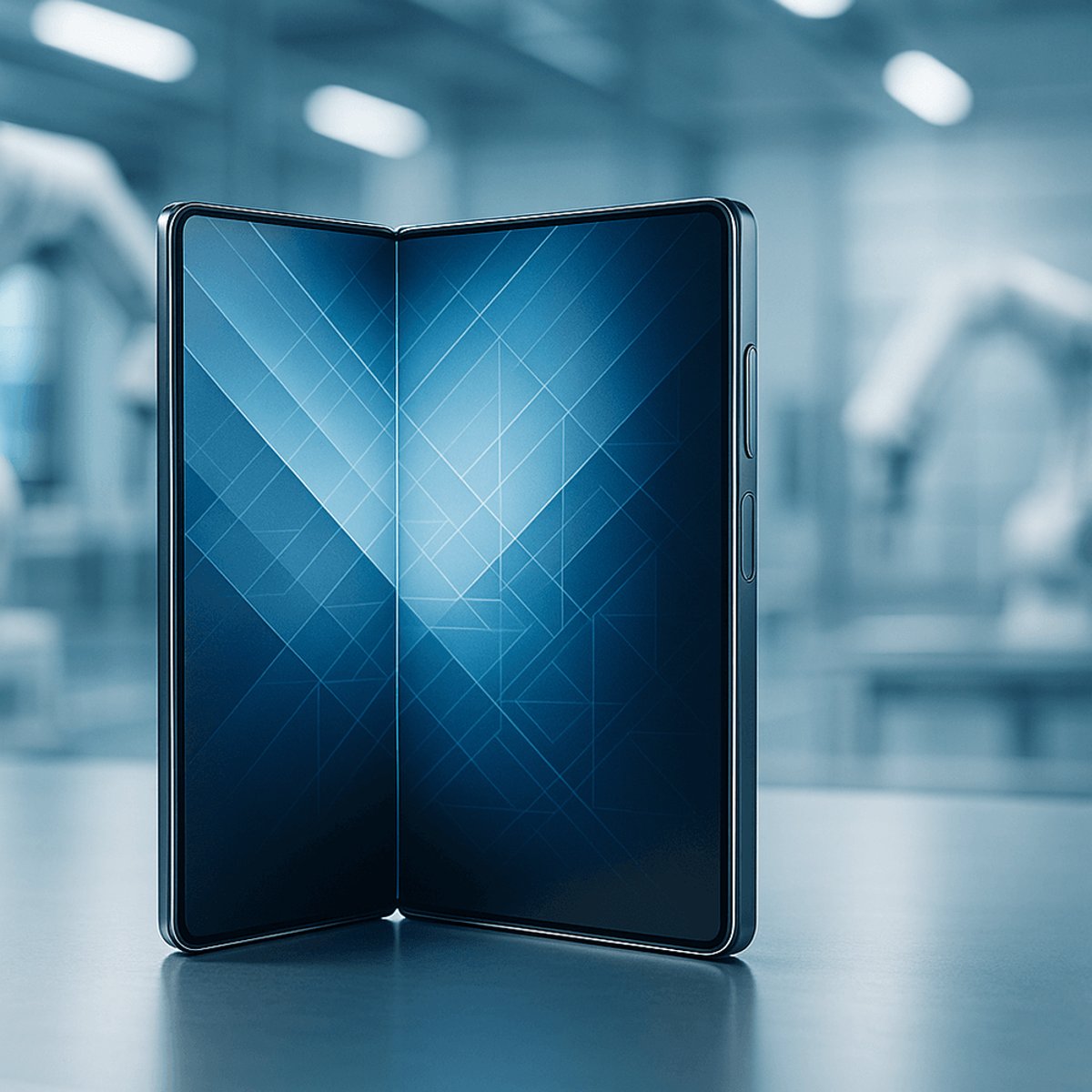
Samsung just pulled back the curtain on the Galaxy Z TriFold's manufacturing process, revealing sophisticated engineering that makes the tri-fold design possible. The company's latest behind-the-scenes video shows dual Armor FlexHinges, robotic assembly systems, and brutal 200,000-cycle testing that proves this isn't just another foldable experiment.
Samsung is showing off the engineering muscle behind its Galaxy Z TriFold, and the manufacturing details reveal why tri-fold phones have been so elusive. The company released a detailed manufacturing video that demonstrates the precision required to make a device that folds twice actually work in daily use.
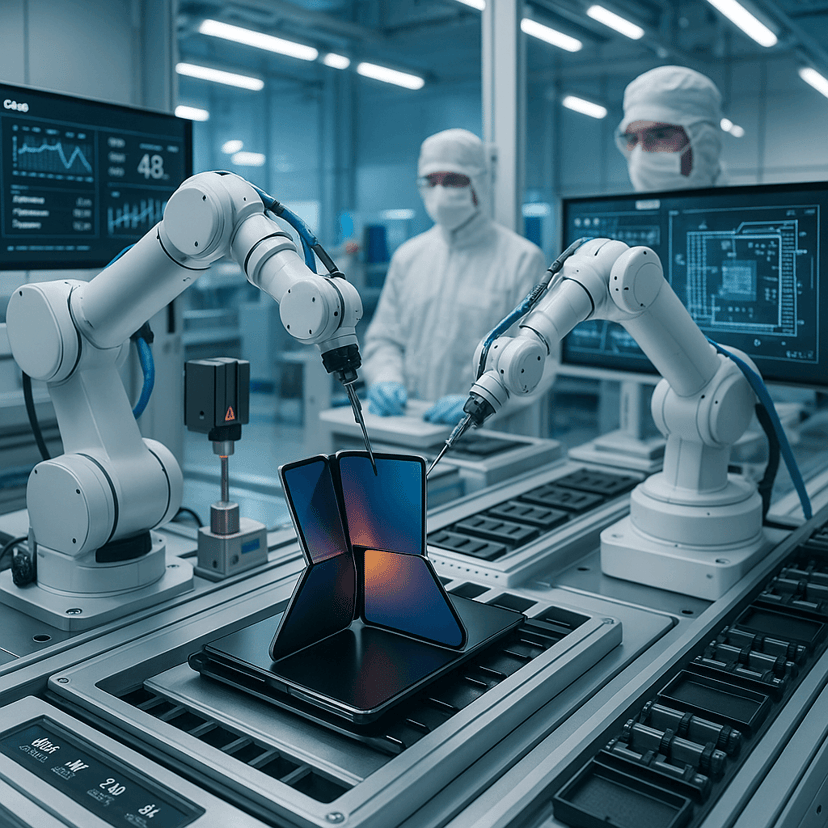
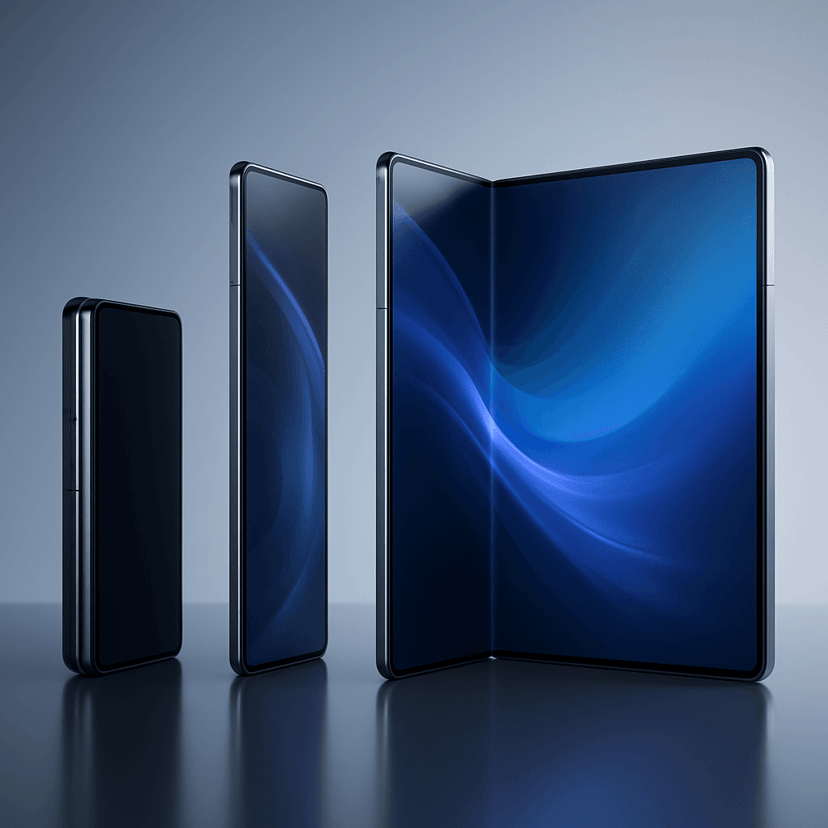
The star of Samsung's manufacturing process is the dual Armor FlexHinge system - two different-sized hinges that handle the unique stress points of a tri-fold design. These aren't just scaled versions of existing foldable hinges. Samsung developed entirely new automated assembly systems specifically for the multi-folding mechanism, suggesting the engineering challenges were significant enough to require purpose-built manufacturing equipment.
What's particularly striking is Samsung's quality control approach. The company uses high-speed CT scanning on the flexible printed circuit board before it gets bonded to display components. That's medical-grade imaging technology being applied to smartphone manufacturing, which shows how critical getting the internal structure right is for tri-fold reliability.
The durability testing regime is equally intense. Samsung subjects each Galaxy Z TriFold display to 200,000 folding cycles, which translates to folding the device roughly 100 times daily for five years. That's far more aggressive than typical smartphone durability testing and suggests Samsung learned hard lessons from earlier foldable launches about the importance of over-engineering for real-world use.
Samsung's 3D laser scanning process for the 10-inch display assembly reveals another layer of complexity. The company scans each device's surface to ensure what they call "cinematic viewing experience," which likely means eliminating the visible creases and surface imperfections that have plagued foldable displays since the category's inception.
The manufacturing video comes as Samsung faces increased competition in foldables from Chinese manufacturers who've been rapidly iterating on tri-fold designs. Huawei already launched the Mate XT tri-fold earlier this year, putting pressure on Samsung to demonstrate its engineering advantage.
Industry analysts have been watching Samsung's foldable strategy closely, especially as the company builds on what it calls "a decade of foldable smartphone innovation." The detailed manufacturing disclosure suggests Samsung is confident enough in its tri-fold approach to reveal proprietary processes, which could signal an imminent commercial launch.
The timing of this manufacturing deep-dive is notable too. Samsung typically keeps its production processes closely guarded, so this level of transparency suggests the company wants to establish technical credibility before competitors can claim similar capabilities. The detailed video serves as both manufacturing showcase and competitive positioning statement.
For Samsung's foldable future, the Galaxy Z TriFold represents a significant engineering leap beyond the company's existing Z Fold and Z Flip lines. The tri-fold form factor opens up tablet-sized screen real estate while maintaining phone portability, but only if the manufacturing precision can deliver long-term reliability that consumers will trust.
Samsung's manufacturing transparency around the Galaxy Z TriFold signals a company ready to prove its engineering leadership in the evolving foldable market. The detailed production processes and rigorous testing demonstrate that Samsung isn't just iterating on existing foldable technology - it's rebuilding the manufacturing playbook for multi-fold devices. Whether this engineering precision translates to commercial success will depend on Samsung's ability to deliver the reliability that early foldable adopters have been waiting for.