Google just pulled off what many thought impossible - making AirDrop work with Android phones without Apple's permission. The Pixel 10 series can now send and receive files directly with iPhones, iPads, and Macs through Quick Share integration, marking the biggest crack in Apple's ecosystem walls since RCS messaging arrived on iPhones.
Google just engineered the impossible. The company announced today that Pixel 10 owners can now send and receive files with Apple devices over AirDrop - and they did it without asking Apple's permission first. The feature works with iPhone, iPad, and macOS devices across the entire Pixel 10 series, representing the most significant breach of Apple's walled garden since RCS messaging finally arrived on iPhones earlier this year.
Google spokesperson Alex Moriconi confirmed to The Verge that this wasn't a collaboration. "We accomplished this through our own implementation," he said, adding that the company plans to "bring this new experience to Pixel 10 first before expanding to other devices." The move puts Apple in an interesting position - will they try to block this compatibility or embrace the cross-platform future?
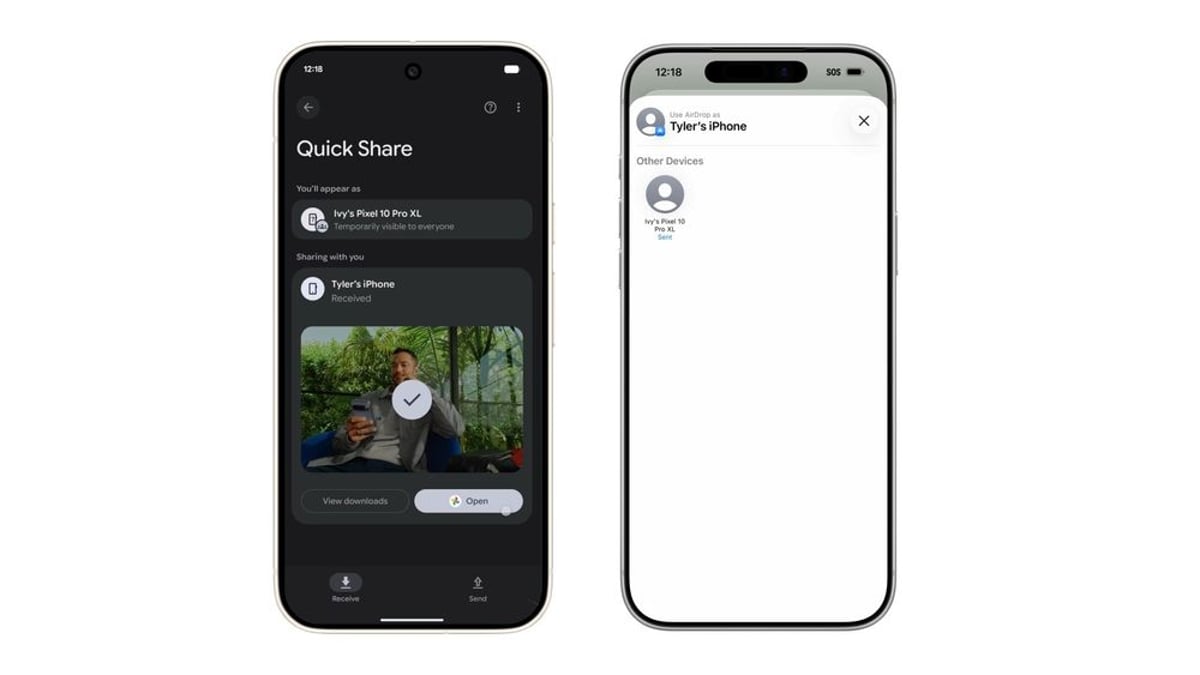
The technical implementation is surprisingly elegant. When a Pixel 10 user wants to share with an Apple device, the iPhone or Mac owner simply needs to make their device discoverable to anyone (there's a built-in 10-minute timeout for security). The Pixel owner then sees the Apple device through Quick Share and can send files directly. On the receiving end, it appears just like any other AirDrop request that users can accept or decline.
It works the other way too. Apple device owners can initiate AirDrop transfers to Pixel 10 phones when those devices are set to discoverable mode. According to Google's support documentation, the process is seamless once both devices are configured properly.
The security implementation is where Google really flexed its engineering muscles. According to a detailed security blog post, "This feature does not use a workaround; the connection is direct and peer-to-peer, meaning your data is never routed through a server, shared content is never logged, and no extra data is shared." Google even hired third-party security firm NetSPI to conduct an independent assessment, clearly anticipating that Apple might question the implementation's security.
The timing couldn't be more strategic. With regulators on both sides of the Atlantic scrutinizing Apple's ecosystem restrictions, Google's move puts additional pressure on Cupertino to open up. The European Union's Digital Markets Act has already forced Apple to allow alternative app stores and payment systems. Now Google is demonstrating that some of Apple's most beloved features don't actually require proprietary cooperation.
What's particularly telling is Google's diplomatic language around future collaboration. The security blog mentions that Google would "welcome the opportunity to work with Apple to enable 'Contacts Only' mode in the future" - essentially offering Apple a face-saving way to officially support the feature while adding their preferred security restrictions.
The broader implications extend far beyond file sharing. AirDrop has been one of Apple's most effective lock-in features, creating those frustrating moments when Android users feel left out of seamless sharing sessions. Combined with RCS messaging now working between iPhones and Android devices, we're seeing the slow but steady erosion of the technical barriers that have kept smartphone users trapped in their chosen ecosystems.
For now, this remains a Pixel-exclusive feature, not available across Android broadly. That's both a limitation and a strategic advantage for Google - it gives Pixel phones a genuine competitive edge while the company works to expand compatibility. Given Google's track record with gradually rolling out features, expect this to hit more Android devices throughout 2026.
The silence from Apple speaks volumes. The company hasn't responded to requests for comment, likely because any response puts them in a difficult position. Blocking the feature could invite more regulatory scrutiny, while embracing it undermines their ecosystem exclusivity arguments.
Google's AirDrop breakthrough represents more than technical innovation - it's a direct challenge to Apple's ecosystem strategy. By proving that cross-platform compatibility doesn't require official cooperation, Google is betting that users will reward openness over exclusivity. Whether Apple responds with legal challenges, technical countermeasures, or grudging acceptance could define the future of smartphone interoperability. For now, Pixel 10 users just scored a major win in the platform wars.