Samsung just took AI photo manipulation to a troubling new level. The Galaxy S26's updated Photo Assist feature lets users generate false content in their personal photos through natural language prompts, following Google's controversial path with Pixel 9. Early testing shows the tool can fabricate convincing but completely fictional scenes - from concert experiences to dangerous situations - raising urgent questions about the authenticity of digital memories and the ethics of AI-powered reality distortion in consumer devices.
Samsung just crossed a line that tech companies have been tiptoeing around for months. The Galaxy S26's Photo Assist feature, unveiled at Unpacked in February and now rolling out widely, makes it dead simple to turn your personal photos into AI-generated fiction. Not subtle touch-ups or blemish removal - we're talking full-scale memory fabrication.
The capability builds directly on Google's controversial Pixel 9 AI editing tools, which The Verge described as walking so Samsung could run. Google started cautiously with its Photos AI features, initially limiting changes to background elements like making skies more blue or removing tourist crowds. But things got weird fast once natural language requests entered the picture. According to testing by The Verge, users could easily prompt their way around guardrails to create potentially harmful images - helicopter crashes, smoking bombs on street corners, scenarios that never happened.
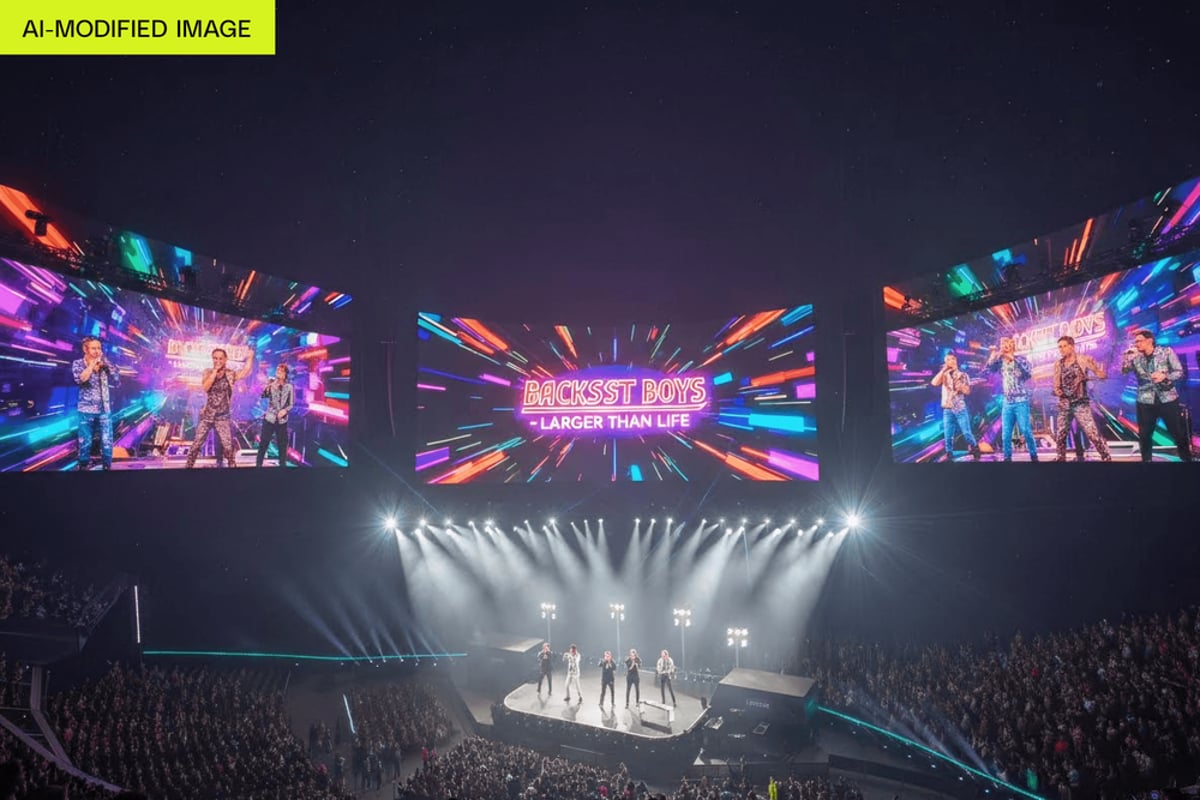
That's the world Samsung's Photo Assist steps into, except the company seems even less concerned about the implications. The feature's most striking example shows someone appearing to attend a concert at the iconic Las Vegas Sphere - the Backstreet Boys, misspelled as "BACKSST BOYS" in what appears to be an AI hallucination. It's a small detail that reveals a bigger problem: these tools can fabricate entire experiences with enough visual fidelity to fool casual viewers, but they're still prone to telltale errors that expose their synthetic nature.
The technology represents a fundamental shift in how we think about personal photography. For over a century, photos served as trusted records of lived experiences. Sure, Photoshop made professional manipulation possible, but it required skill and effort. Now Samsung is putting that power in everyone's pocket with a simple text prompt. Want to remember yourself at a concert you missed? The AI will conjure it. Need proof you were somewhere you weren't? Photo Assist has you covered.
The ethical implications extend beyond individual white lies. When personal photo libraries become unreliable by default, we lose a crucial form of documentary evidence. Family histories, legal disputes, insurance claims - all these depend on photos being fundamentally truthful, even if imperfect. Samsung and Google are eroding that trust without offering meaningful solutions for verification.
Both companies do include metadata tags indicating AI modification, but these are easily stripped or ignored when images get shared across social platforms. The average person scrolling through a friend's vacation photos won't check EXIF data for AI markers. They'll just see what looks like a normal memory and accept it as real.
The competitive pressure is obvious. Google shipped aggressive AI editing features, so Samsung felt compelled to match or exceed them. Neither company wants to be seen as falling behind in the AI race, even if that means sacrificing photo authenticity. It's a classic tech industry arms race where user experience and ethics take a backseat to feature parity.
What makes Samsung's implementation particularly concerning is how it normalizes the practice. This isn't positioned as a creative tool for artists or a professional feature for content creators. It's baked directly into the default photo gallery app that billions of people use daily. The message is clear: fabricating your memories is not just acceptable, it's expected.
The feature arrives as broader concerns about AI-generated content and deepfakes continue to mount. But while much attention focuses on political misinformation and celebrity deepfakes, Samsung's Photo Assist shows how AI manipulation is creeping into the most personal corners of our digital lives. The threat isn't just malicious actors creating propaganda - it's ordinary people casually rewriting their own histories.
Consumer advocates and tech ethicists have raised alarms, but the industry shows no signs of pumping the brakes. If anything, the trend is accelerating. Apple is widely expected to introduce similar features in upcoming iOS updates, not wanting to cede ground to Android rivals. The question isn't whether AI photo manipulation will become ubiquitous - it's whether anyone will care once it does.
The Galaxy S26's Photo Assist marks a troubling inflection point where personal photo authenticity becomes negotiable. What Samsung and Google frame as creative empowerment is actually the systematic erosion of photographic truth. As these tools become standard features on billions of devices, we're entering an era where every casual snapshot carries an asterisk of doubt. The technology won't be uninvented, but the industry's rush to ship AI features without addressing verification and ethics sets a dangerous precedent. Watch for Apple's response in the coming months - if Cupertino follows suit, the transformation of personal photography from documentation to fiction will be complete.