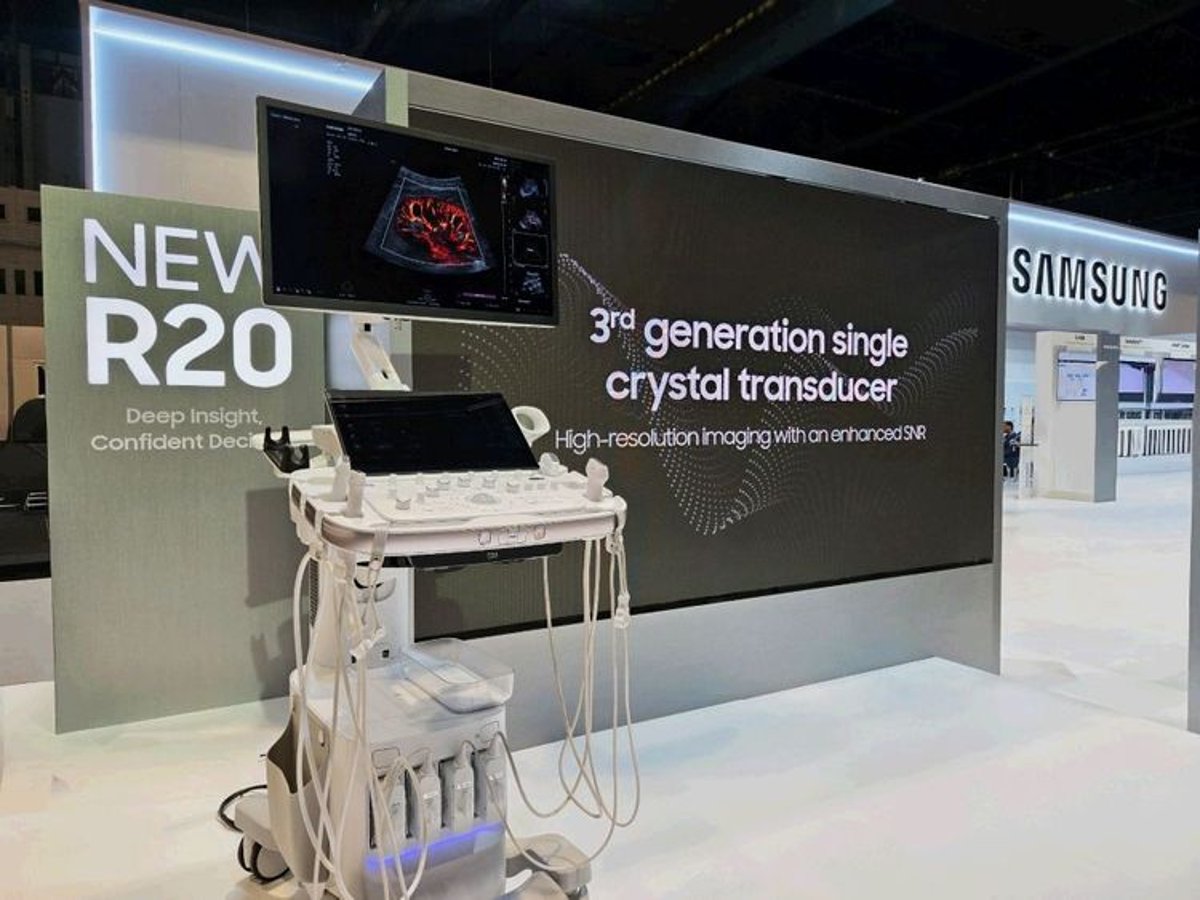
Samsung just unveiled its most ambitious healthcare technology yet - the R20 Ultrasound System packed with over a dozen AI-powered diagnostic tools. The system launches at RSNA 2025 in Chicago, marking Samsung's aggressive push from healthcare follower to innovation leader in medical imaging where chronic disease complexity is driving demand for smarter diagnostic solutions.
Samsung is making its boldest healthcare play yet with the R20 Ultrasound System, officially debuting at the Radiological Society of North America conference in Chicago. But this isn't just another product launch - it's Samsung's declaration that it's done playing catch-up in medical technology.
The timing couldn't be more strategic. Rising obesity rates and chronic disease are making ultrasound exams increasingly complex, leading to higher rates of inconclusive results. Healthcare systems are desperate for imaging technology that can cut through the diagnostic fog while addressing a critical workforce crisis - widespread sonographer pain and shortages that are crippling departments nationwide.
Samsung's answer is the R20, powered by what the company calls its Advanced Imaging Engine. The system integrates cutting-edge hardware with sophisticated software beamforming to deliver what Samsung claims is remarkable image clarity and diagnostic accuracy. More significantly, the R20 packs over a dozen AI-powered tools designed for real-time exam guidance, diagnostic assistance, workflow automation, and automated measurements.
"The R20 embodies our mission to elevate diagnostic imaging through purposeful innovation," Samsung Healthcare's Chief Commercial Officer Tracy Bury told attendees. "With the R20, we're moving from a fast follower to a true technology leader, driving innovation at a pace that's reshaping ultrasound."
That's a significant shift in positioning. Samsung has historically been content to let others pioneer medical technologies, then swoop in with refined versions. The R20 represents a different strategy entirely - leading with AI integration and ergonomic innovation that competitors will now need to match.
The ergonomics angle is particularly shrewd. Samsung commissioned independent validation showing the R20 meets 100% of recognized ergonomic guidelines and recommendations. In an industry where sonographer injuries are endemic and talent retention is critical, this isn't just a nice-to-have feature - it's a competitive necessity.
The company's Samsung Medison division has been quietly building toward this moment. The R20's dozen-plus AI tools include real-time exam guidance that can help less experienced technicians achieve consistent results, potentially addressing the skills gap that's plaguing the field. Automated measurements and workflow optimization promise to reduce scan times while improving accuracy - exactly what overloaded healthcare systems need.
What makes this launch particularly interesting is Samsung's broader healthcare ambitions. The company has been steadily building its medical technology portfolio, and the R20 suggests it's ready to compete head-to-head with established players like GE Healthcare and Philips in premium segments.
The product unveiling at RSNA 2025 runs from 11:00 to 11:15 a.m. at Samsung booth #6122 in North Hall B - a brief window that reflects how much confidence Samsung has in the R20's ability to generate buzz. Conference attendees will get hands-on experience with the system's AI features and ergonomic innovations.
For Samsung, the R20 represents more than just another product line extension. It's a statement about where the company sees healthcare technology heading - toward AI-driven solutions that address both clinical and workforce challenges simultaneously. Whether that vision resonates with healthcare buyers will determine if Samsung's transition from follower to leader actually sticks.
Samsung's R20 ultrasound system signals a fundamental shift in the company's healthcare strategy - from cautious follower to aggressive innovator. With AI tools addressing diagnostic complexity and ergonomic design tackling workforce challenges, the R20 positions Samsung to compete directly with established medical imaging giants. The real test comes when healthcare systems decide whether Samsung's technology leadership claims match the clinical reality of their most demanding diagnostic environments.