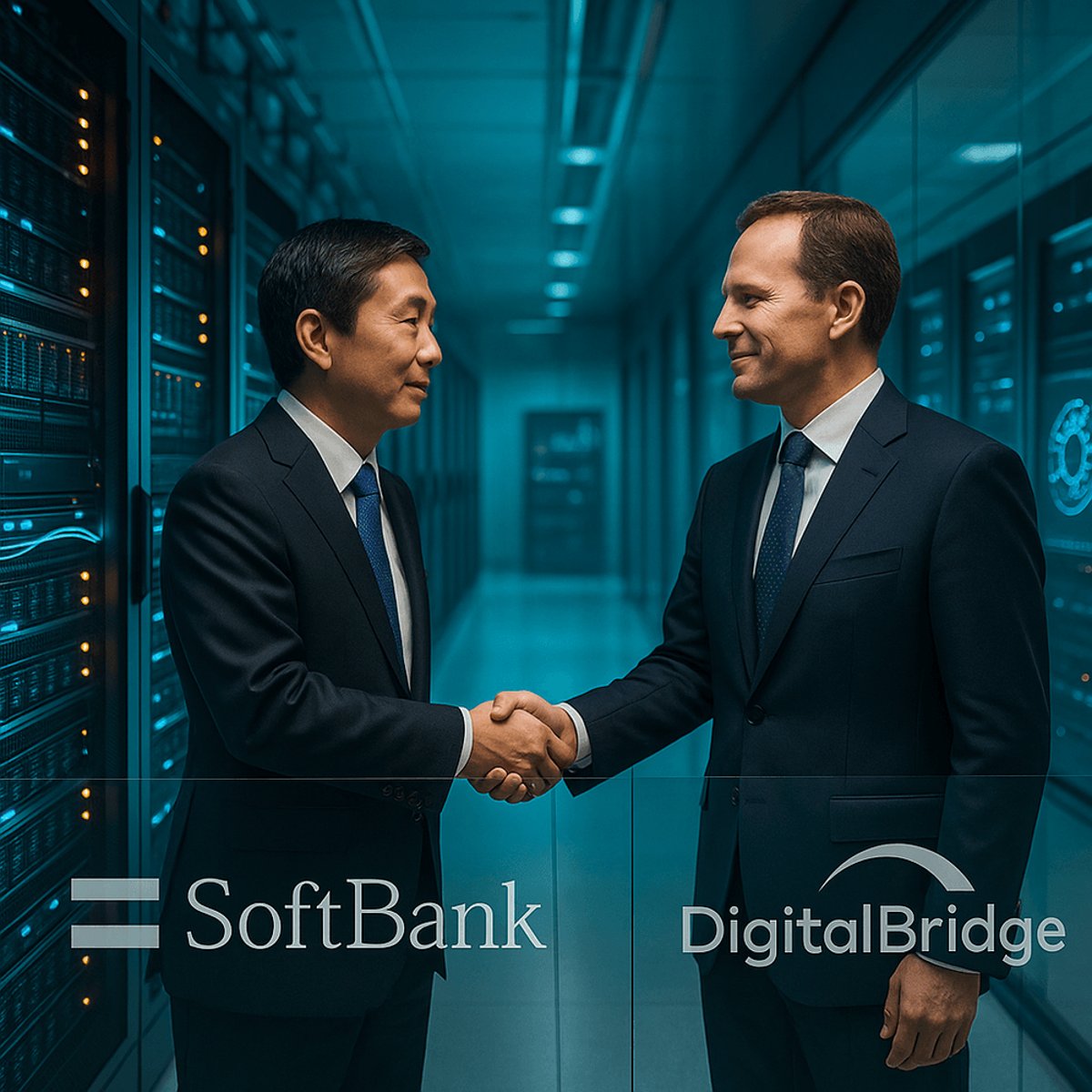
SoftBank just made a power move in the AI infrastructure wars. On Monday, the Japanese investment giant agreed to buy data center firm DigitalBridge for $4 billion—cementing its bet on the compute backbone that powers next-generation AI systems. The deal signals where the real infrastructure spending is heading as AI becomes the defining technology battleground.
SoftBank just showed its hand in the infrastructure arms race that's quietly reshaping tech. The $4 billion acquisition of DigitalBridge announced Monday isn't flashy like an AI startup funding round, but it might matter more. As compute demands explode across the industry, controlling the physical infrastructure—data centers, connectivity, power—has become the new frontier.
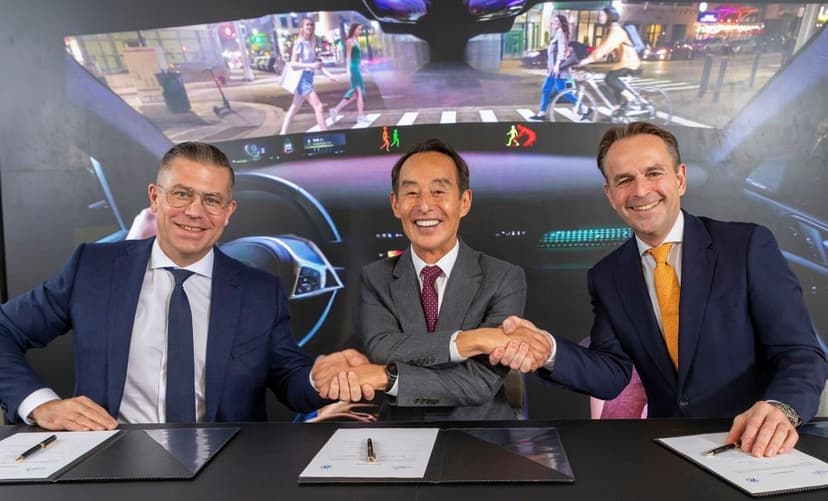
SoftBank CEO Masayoshi Son framed the deal in existential terms. "As AI transforms industries worldwide, we need more compute, connectivity, power, and scalable infrastructure," he said in a statement. The company plans to acquire all outstanding common stock at $16 per share in cash—a 15% premium to DigitalBridge's closing price on December 26 that immediately sent the stock jumping 10% at open. It had already climbed 50% after Bloomberg first reported the deal was in motion.
Why this matters now becomes clear when you look at what's actually happening in AI. The bottleneck isn't software anymore. It's silicon, power, and real estate. Every major AI company—from the data center hyperscalers to the chip makers to the new AI platforms—is fighting over the same scarce resources. DigitalBridge, with roughly $108 billion in assets under management according to its own filings, manages and invests in the digital infrastructure that underpins all of this.
The timing of this acquisition reveals something important about SoftBank's strategy. Earlier this year, the conglomerate made a bold bet by selling its entire $5.83 billion stake in Nvidia, despite having backed the chip giant for years. That move freed up capital for what Son sees as the next big thing: not just buying chips, but owning the infrastructure that runs them. It's a strategic shift from being a financial investor in winners to becoming an operator of critical AI systems.
DigitalBridge CEO Marc Ganzi leaned into the urgency in his own statement. "The buildout of AI infrastructure represents one of the most significant investment opportunities of our generation," he said. That's not hype—it's backed by real numbers. AI training requires enormous amounts of power and computational capacity. Data centers capable of running large language models and other AI systems are being built at an unprecedented pace, and the capital flowing into this space suggests it'll only accelerate.
What this acquisition really signals is that the AI gold rush isn't just about training better models anymore. It's about controlling the foundations those models run on. Power generation, fiber optic connectivity, real estate in data center-friendly locations, and ongoing infrastructure buildout are becoming as strategically important as chip design. SoftBank, with its experience running Vision Fund investments and its access to massive capital, is betting it can play the role of infrastructure enabler to every AI company trying to scale.
The deal also reflects broader market dynamics. Microsoft and Google have been building out custom data centers and signing massive power deals to support their AI ambitions. Amazon Web Services dominates cloud infrastructure. But the raw materials—the actual physical capacity—are constrained. DigitalBridge's $108 billion in assets and its existing relationships with major tech companies give SoftBank immediate foothold in this increasingly vital sector.
What happens next will be watched carefully. The acquisition still needs regulatory approval, but given DigitalBridge's global nature and the strategic importance of data center infrastructure, there's probably scrutiny ahead. The broader question for competitors is whether this move signals more aggressive consolidation coming in the infrastructure space—and whether they should be making similar bets.
SoftBank's $4 billion acquisition of DigitalBridge represents a fundamental shift in how the company—and potentially the entire tech industry—thinks about AI dominance. It's no longer enough to fund winners or hold equity stakes. In a world where compute capacity is the scarce resource and AI infrastructure is the new competitive moat, controlling the actual physical systems that power these technologies has become the real game. For SoftBank, this move from financial investor to infrastructure operator signals confidence that the next wave of value creation won't be in software or algorithms, but in the unglamorous business of keeping the world's AI systems running.