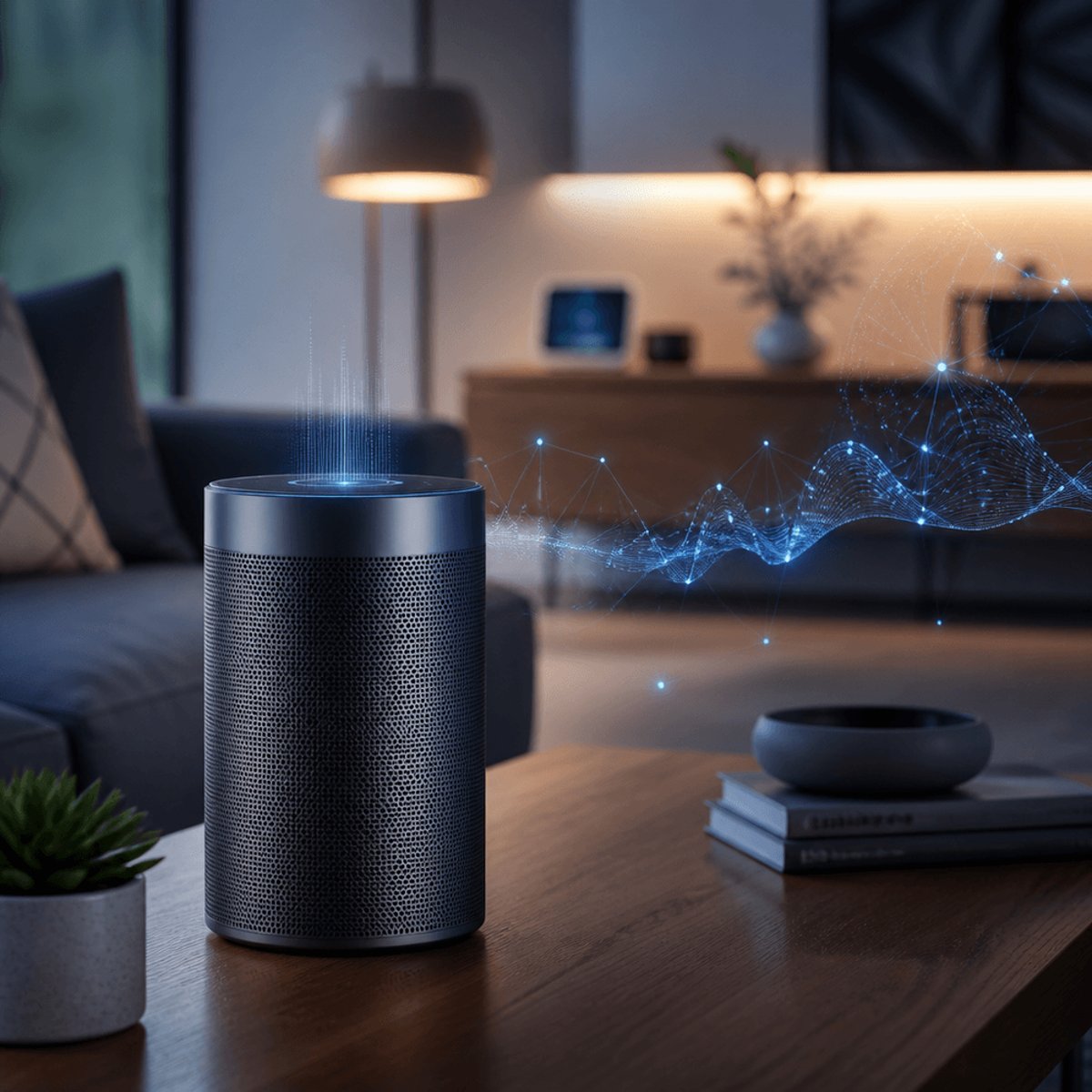
Sonos is making its most aggressive play yet in the smart home wars. The premium audio company is preparing an AI-backed overhaul of its voice assistant technology alongside new hardware, according to reports from ZDNet. The move signals Sonos' determination to compete directly with Amazon's Alexa and Google Assistant in a market that's been transformed by generative AI capabilities over the past year.
Sonos is betting that better AI can crack the smart speaker code it's struggled with for years. The company's preparing a significant upgrade to its voice control capabilities, backed by artificial intelligence that could finally make its speakers competitive with Amazon and Google's entrenched ecosystems.
The timing isn't accidental. Smart speaker makers are racing to integrate conversational AI after OpenAI's ChatGPT demonstrated what natural language interfaces could actually do. Amazon and Google have both announced plans to infuse their assistants with large language models, and now Sonos wants in on the action.
For Sonos, voice control has always been the weak link in an otherwise premium product lineup. The company launched Sonos Voice Control back in 2022 as a privacy-focused alternative to Alexa and Google Assistant, but it never gained serious traction. Users appreciated the local processing and lack of cloud surveillance, but found the commands too limited and the responses too rigid compared to the competition.
That's exactly what AI promises to fix. Modern language models can understand context, handle follow-up questions, and respond in natural ways that rule-based systems simply can't match. If Sonos can nail the implementation, it could turn voice control from a checkbox feature into an actual selling point.
The hardware piece matters too. Sonos reportedly has new speaker designs in the works, which makes sense if you're overhauling the voice experience. The company's existing speakers were optimized for audio quality first, with microphones and processors that reflected voice control's secondary status. A serious AI assistant needs serious hardware to run locally without constant cloud calls.
But Sonos faces a brutal competitive reality. Amazon has sold hundreds of millions of Echo devices and built an entire smart home ecosystem around Alexa. Google Assistant powers everything from Nest speakers to Android phones. Apple's Siri, despite its limitations, benefits from iPhone integration that Sonos can't match. Breaking into that market means offering something genuinely better, not just good enough.
The privacy angle could be Sonos' wedge. While Amazon and Google funnel voice data through their clouds to train models and target ads, Sonos has consistently emphasized local processing and minimal data collection. If the company can deliver powerful AI without the surveillance baggage, there's definitely a market for that, especially among the privacy-conscious customers who already pay premium prices for Sonos hardware.
Financially, Sonos needs a win. The company's stock has been under pressure as growth slowed and the broader consumer electronics market cooled. A successful AI voice assistant could reignite interest in the brand and justify the premium pricing that's core to Sonos' business model. It's a high-stakes bet on whether customers will pay more for better technology and better privacy.
The smart speaker market itself is at an inflection point. After years of race-to-the-bottom pricing and commoditization, AI is creating a new quality tier. Speakers that can actually converse, understand context, and handle complex requests command higher prices and better margins. That's exactly the market Sonos should be playing in, if it can execute.
What remains unclear is the timeline and specifics. Sonos hasn't officially announced the new voice capabilities or hardware, so any launch is likely months away at minimum. The company also needs to decide whether to build its own AI models, license existing ones, or partner with an AI provider. Each approach has tradeoffs in terms of cost, capability, and control.
Sonos is making the right move at the right time, but execution will determine everything. The smart speaker market is ready for a premium AI option that doesn't sacrifice privacy, and Sonos has the brand and audio expertise to deliver it. But the company is competing against tech giants with massive R&D budgets and established user bases. If Sonos can ship an AI voice assistant that's genuinely better than Alexa or Google while maintaining its privacy principles, it could carve out a profitable niche in the high end of the market. If not, this could be another expensive reminder that building competitive AI assistants requires resources that even well-regarded hardware companies struggle to muster.