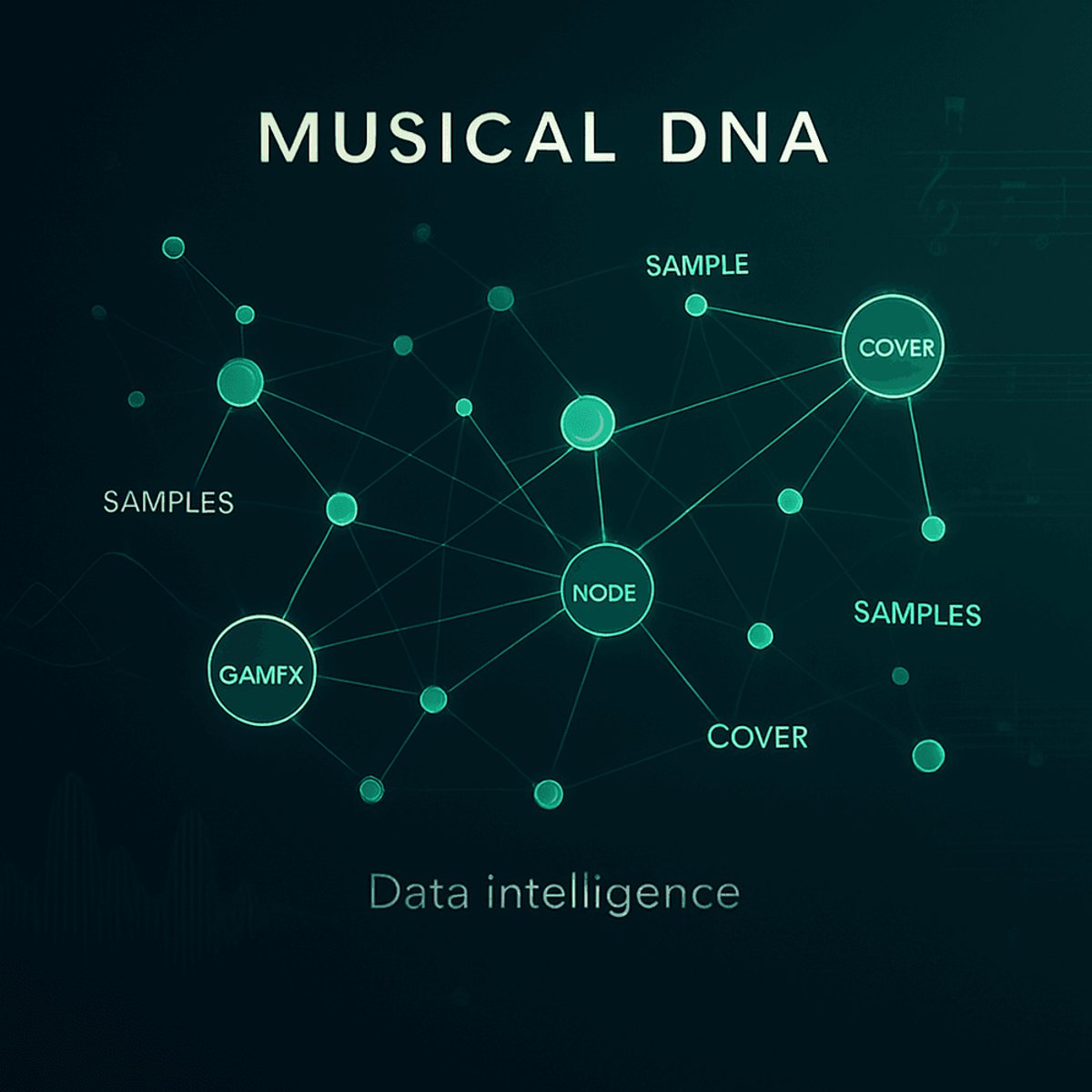
Spotify just made a strategic play for the future of music discovery, acquiring WhoSampled's massive database of 1.2 million songs and 622,000 samples. The deal powers Spotify's new SongDNA feature, which helps listeners explore the connections and stories behind their favorite tracks. It's a smart move that transforms a community-built resource into a competitive advantage for the streaming giant.
Spotify just pulled off one of those acquisitions that makes perfect sense in hindsight. The streaming giant acquired WhoSampled, the community-driven database that's been tracking music samples, covers, and remixes since 2008. While deal terms stay under wraps, Spotify confirmed to TechCrunch it's buying both the London-based team and their treasure trove of data.
The timing isn't coincidental. Spotify announced the acquisition alongside its new SongDNA feature Wednesday, a music discovery tool that lets listeners dive deep into the connections between tracks. WhoSampled's database - now tracking over 1.2 million songs and nearly 622,000 samples - becomes the engine powering this next-generation discovery experience.
It's a classic case of turning community passion into corporate strategy. WhoSampled built its reputation through dedicated music fans who meticulously cataloged which songs sampled what, creating an invaluable resource that money couldn't easily replicate. Now Spotify gets that entire knowledge base plus the team that curated it.
"Through our recent discussions with Spotify, it became clear that we share a strong belief in the power of musical context," WhoSampled's team wrote in their acquisition announcement. The statement reveals how aligned both companies were on the value of musical storytelling - something that goes way beyond just streaming songs.
This wasn't exactly a cold call either. Spotify and WhoSampled have been dance partners since 2016, when they first integrated to let WhoSampled users access their Spotify playlists and saved tracks. That partnership gave both companies years to understand how their platforms could work together, making this acquisition feel like a natural evolution rather than a desperate grab.
For WhoSampled's small but dedicated team of around 10 employees (according to Pitchbook and LinkedIn data), joining Spotify means resources they never had as an independent operation. The company promises faster submission moderation, elimination of display ads, and free mobile apps with subscriptions - improvements that should make the platform more accessible to music discovery enthusiasts.
The strategic value for Spotify goes beyond just powering SongDNA. Music discovery remains one of the biggest differentiators in streaming, where most services offer similar catalogs at similar prices. By owning the most comprehensive database of musical connections and samples, Spotify can create discovery experiences that competitors simply can't match without building similar databases from scratch.
This move also positions Spotify better against emerging AI-powered music tools that rely on understanding musical relationships and influences. Having human-curated data about samples and covers provides a foundation that's both more accurate and more contextually rich than what algorithmic analysis alone can provide.
WhoSampled will continue operating as a standalone platform, preserving the community-driven culture that made it valuable in the first place. But now it has the backing and resources of a $23 billion company that processes over 100 billion streams annually. That combination of grassroots passion and corporate scale could reshape how people discover and understand music.
The acquisition signals Spotify's broader strategy of moving beyond simple streaming into becoming a comprehensive music intelligence platform. With features like SongDNA powered by WhoSampled's data, Spotify isn't just playing songs - it's telling the stories behind them.
Spotify's WhoSampled acquisition represents more than just buying a database - it's acquiring years of community-driven musical knowledge that can't be easily replicated. As streaming services fight for differentiation in an increasingly commoditized market, owning the most comprehensive map of musical DNA gives Spotify a unique advantage in helping listeners discover not just what to hear next, but understand the stories connecting the music they already love.