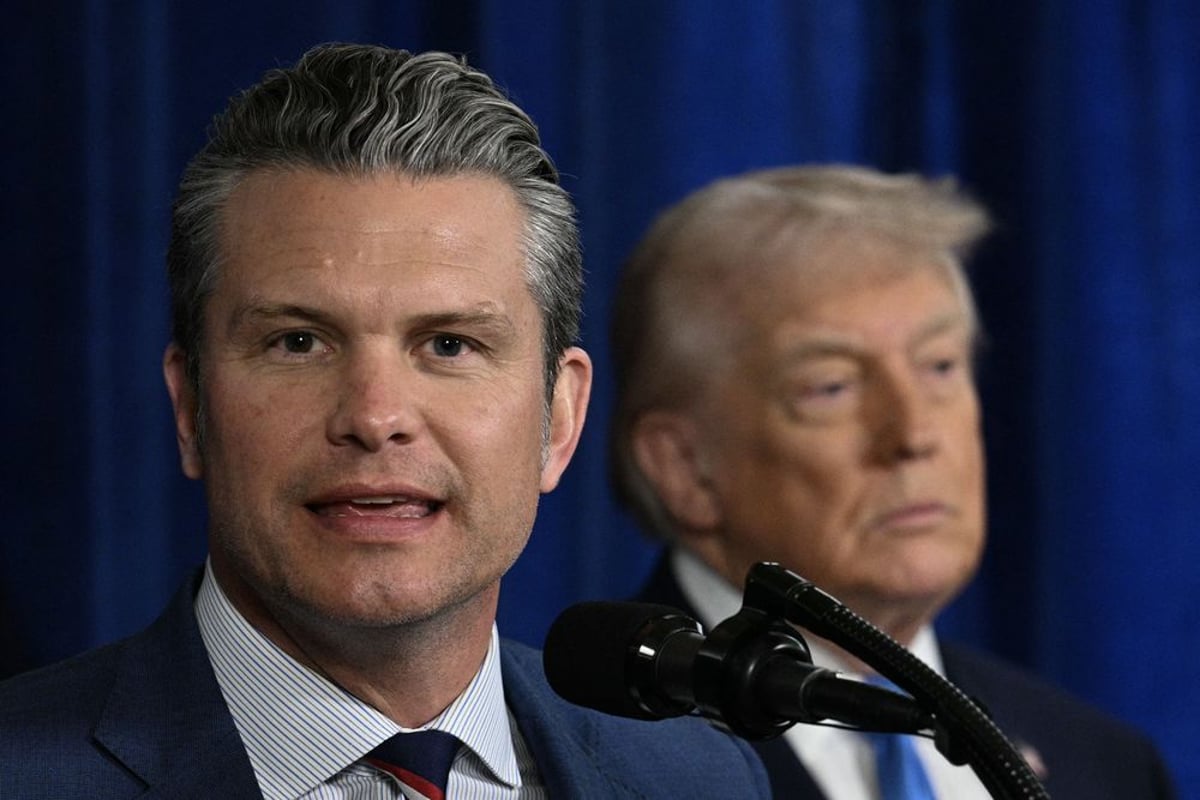
The Pentagon just turned the screws on Anthropic. Defense Secretary Pete Hegseth designated the AI company as a "supply-chain risk" Thursday evening, less than two hours after President Donald Trump banned Anthropic products across the federal government. The move sends shockwaves through the defense contracting world, threatening to immediately impact major players like Palantir and Amazon Web Services that rely on Anthropic's Claude AI for Pentagon work. It's an unprecedented escalation in what's become a high-stakes standoff between Silicon Valley and the Defense Department over AI policy.
Anthropic just went from AI darling to Pentagon pariah in under 120 minutes. Defense Secretary Pete Hegseth announced the supply-chain risk designation late Thursday, a dramatic escalation that goes well beyond President Trump's earlier executive action banning the company's products from federal systems. The timing tells you everything about how quickly this situation is deteriorating.
The immediate fallout hits some of the defense industry's biggest names. Palantir and Amazon Web Services both integrate Claude into their Pentagon work, and now face urgent questions about contract compliance. According to The Verge's reporting, it's not yet clear whether the Pentagon will extend its blacklist to companies using Claude for civilian applications outside national security work. That ambiguity is going to cause chaos in procurement offices across the defense industrial base.
The supply-chain risk label carries serious weight. It's the same designation the Pentagon has used for Chinese telecom giants and other foreign entities deemed threats to national security infrastructure. Applying it to a San Francisco-based AI startup backed by Google and founded by former OpenAI researchers marks a sharp departure from the government's typical approach to domestic tech companies.
This didn't come out of nowhere. The Verge reported that Anthropic and the Pentagon spent the past week in tense negotiations over the company's acceptable use policies. Those talks apparently went nowhere, prompting Trump's Truth Social announcement earlier Thursday that he was banning Anthropic products from federal systems. Hegseth's follow-up designation suggests the Defense Department wanted to send an even stronger signal.
The core dispute seems to center on Anthropic's guardrails for military applications. The company has positioned itself as the safety-conscious alternative in the AI race, publishing detailed research on AI alignment and building what it calls "constitutional AI" with built-in ethical constraints. But those same safety features may be what's causing friction with defense officials who want fewer restrictions on how they deploy AI tools.
For contractors like Palantir, this creates an immediate dilemma. The defense analytics giant has built Claude integration into several of its platforms, marketing the combination as a way to bring cutting-edge language models to classified environments. Now those same integrations could put lucrative Pentagon contracts at risk. AWS faces similar pressure as the primary cloud provider for classified Defense Department workloads.
The broader AI industry is watching closely. OpenAI, Microsoft, and Google have all been courting defense contracts while trying to navigate employee concerns about military applications. Anthropic's public commitment to AI safety made it an outlier in these Pentagon discussions, and now it's paying the price.
What's particularly striking is the speed of the escalation. Supply-chain risk designations typically follow lengthy review processes involving multiple agencies and detailed threat assessments. Hegseth's announcement, coming within hours of Trump's initial ban, suggests this was a coordinated political decision rather than the result of a normal security review.
The move also raises questions about the Trump administration's broader approach to AI regulation and defense policy. While the White House has talked about maintaining American AI leadership, shutting out one of the most advanced language model developers over policy disagreements seems counterproductive to that goal. Unless, of course, the real objective is forcing Anthropic to drop its safety restrictions and accept Pentagon terms.
For now, defense contractors are left scrambling to figure out their exposure. Companies with active Claude integrations need to know whether they have days, weeks, or months to rip out the technology and replace it. Those planning future AI implementations need clarity on what acceptable use policies will pass Pentagon muster going forward.
The Pentagon's supply-chain designation transforms what started as a policy dispute into an existential threat for Anthropic's government ambitions and a compliance nightmare for defense contractors. With major players like Palantir and AWS caught in the crossfire, this standoff will force the entire AI industry to recalibrate how it approaches military contracts. The real question now is whether this is the opening salvo in a broader campaign to force AI companies into accepting Pentagon terms, or a targeted punishment designed to make an example of the industry's most vocal safety advocate. Either way, the message to Silicon Valley is clear: when it comes to defense applications, the government expects compliance, not conditions.