Super Micro Computer shares jumped 18% in after-hours trading Tuesday as the AI server maker crushed Wall Street expectations with revenue more than doubling year-over-year. The San Jose-based company pointed to significant progress in U.S. manufacturing as it issued fourth-quarter guidance well above analyst estimates, signaling sustained momentum in AI infrastructure buildouts. The earnings beat comes as demand for liquid-cooled GPU servers continues to outpace supply across the data center industry.
Super Micro Computer just handed investors the clearest signal yet that the AI infrastructure gold rush shows no signs of slowing. The company's third-quarter results, released Tuesday evening, revealed revenue growth that more than doubled compared to the same period last year, while forward guidance suggested the momentum will carry into summer.
The stock rocketed 18% in after-hours trading as Wall Street digested the numbers. For a company that faced intense scrutiny over accounting practices just months ago, the blowout quarter represents both vindication and validation of CEO Charles Liang's bet on liquid-cooled rack systems designed specifically for Nvidia GPUs.
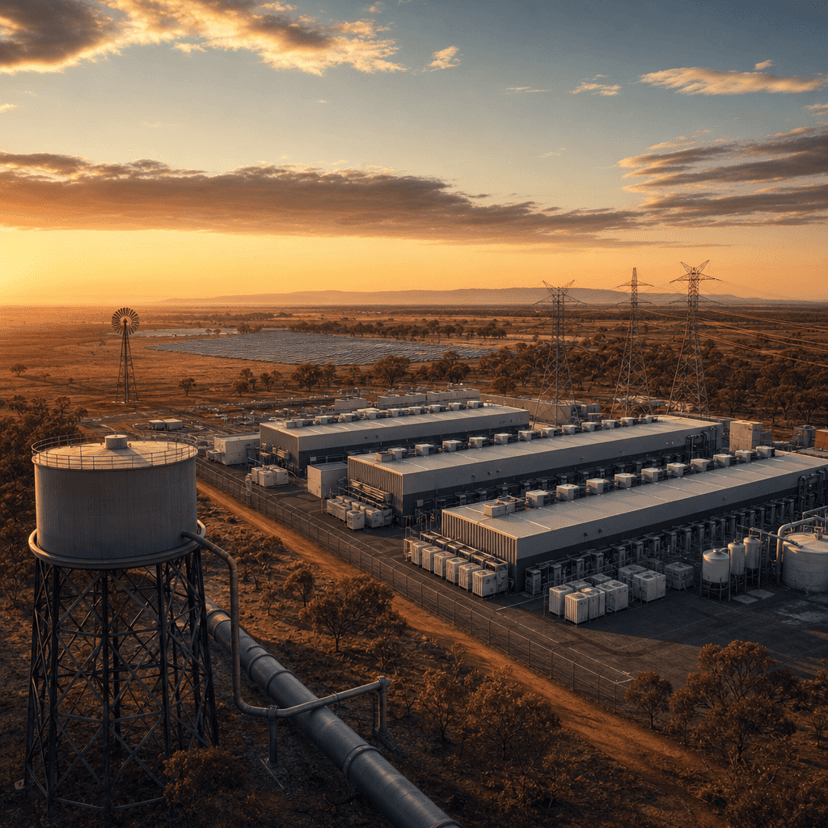
What's driving the surge isn't just demand - it's where Super Micro is building the servers. The company's earnings call emphasized meaningful progress in domestic manufacturing capacity, a strategic shift that aligns with the Biden administration's push to reshore critical technology production. According to the company's prepared remarks, new U.S. facilities are ramping faster than anticipated, reducing dependency on overseas assembly while cutting delivery times for hyperscale customers.
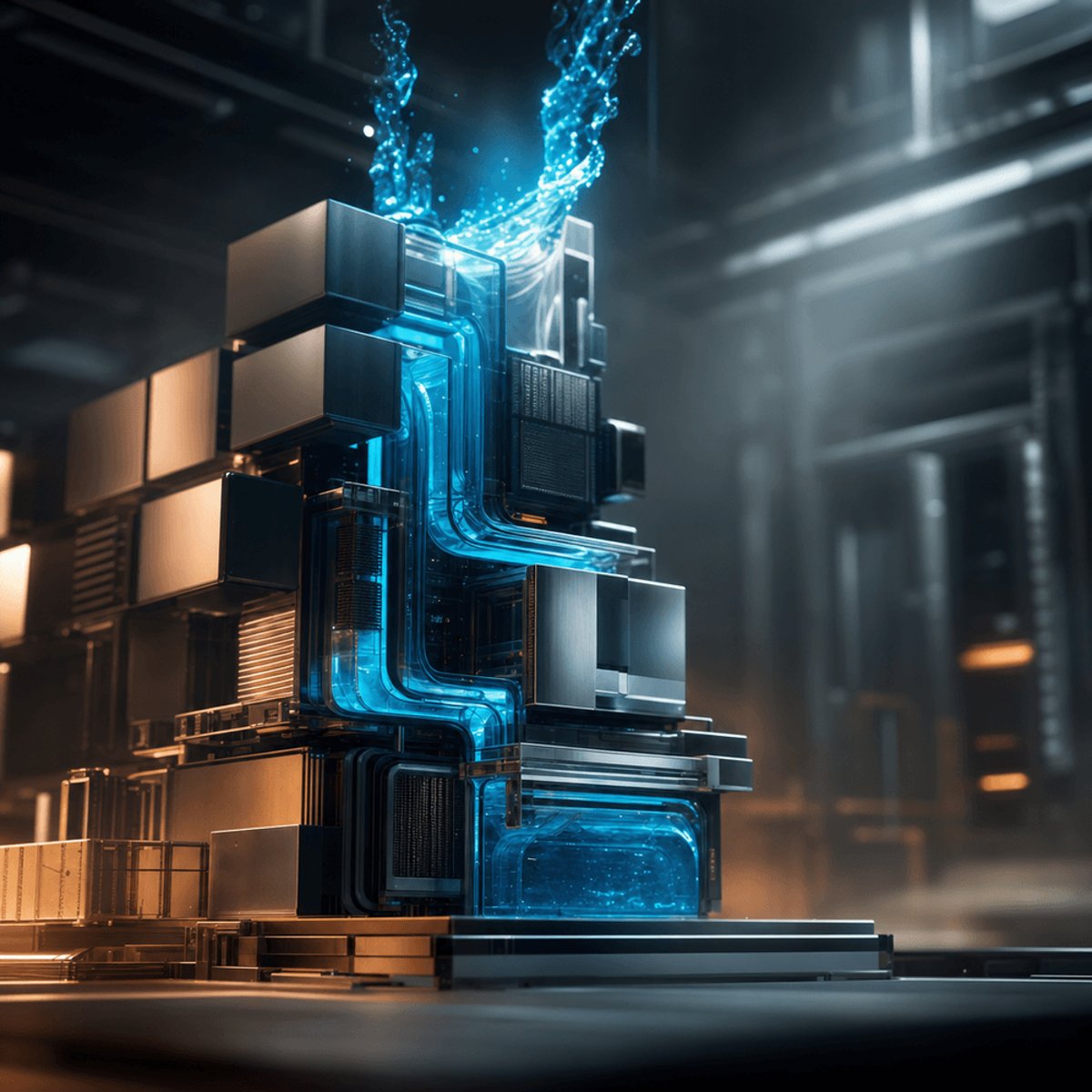
The timing couldn't be better. Cloud giants and enterprise customers are racing to deploy AI training clusters, and Super Micro's direct liquid cooling technology has become the preferred solution for managing the thermal output of next-generation GPUs. Where traditional air cooling hits physical limits around 500 watts per chip, Super Micro's systems handle 1,000 watts and beyond - exactly what's needed for the latest AI accelerators.
Revenue didn't just beat estimates; it demolished them. While analysts expected steady growth, the actual doubling of revenue caught even bullish observers off guard. The company attributed the outperformance to both higher average selling prices for advanced cooling systems and surging unit volumes as customers scramble to secure capacity.
Guidance for the current quarter came in equally strong. Management projected continued revenue acceleration through at least the summer, citing a backlog that extends well into 2027. The forecast suggests Super Micro expects AI infrastructure spending to remain robust even as some analysts question whether the current buildout pace is sustainable.
The U.S. manufacturing angle deserves special attention. Super Micro's new facilities in Silicon Valley aren't just assembly plants - they're full integration centers capable of configuring and testing complete rack-scale systems. This vertical integration gives the company unusual flexibility to customize orders quickly, a key advantage when customers like Microsoft and Meta need thousands of servers deployed in weeks, not months.
Competitors like Dell and HPE offer similar products, but Super Micro's focus on direct liquid cooling and faster time-to-deployment has carved out a defensible niche. The company's close partnership with Nvidia also helps - Super Micro often gets early access to new GPU architectures, allowing it to design optimized server platforms before chips even ship.
The accounting concerns that plagued Super Micro earlier this year appear firmly in the rearview mirror. An independent review found no material issues, and Tuesday's results show the business fundamentals remain rock-solid. Investors who fled during the uncertainty are now rushing back in, evident in the dramatic after-hours price move.
Looking ahead, the key question is whether AI infrastructure spending can maintain this blistering pace. So far, every earnings season brings warnings of a potential slowdown, and every earnings season proves those warnings premature. Super Micro's guidance suggests that at least through mid-2026, demand will stay strong.
The broader implications extend beyond one company's quarterly results. Super Micro's success validates the entire AI infrastructure thesis - that the current wave of generative AI deployments requires fundamentally new hardware architectures, and that companies solving thermal and power challenges will capture outsized value. As training runs get larger and inference workloads scale, the physics of cooling become as important as the chips themselves.
Super Micro's explosive quarter confirms what industry insiders have suspected - AI infrastructure spending isn't slowing down, it's accelerating. The combination of revenue doubling, strengthened U.S. manufacturing capabilities, and robust forward guidance positions the company at the center of the ongoing AI buildout. For investors watching the AI hardware space, Tuesday's results offer the clearest evidence yet that picks-and-shovels plays on the AI revolution remain compelling. The question now shifts from whether demand will materialize to whether Super Micro and its competitors can manufacture fast enough to meet it.