Russian-linked hackers were behind last year's devastating cyberattack on Jaguar Land Rover that cost the automotive giant $2.5 billion, according to a new report. The breach, which crippled production lines and exposed sensitive corporate data, now ranks among the most expensive cybersecurity incidents in corporate history. The attribution comes as automotive manufacturers face escalating threats from state-sponsored hacking groups targeting their digital supply chains and connected vehicle infrastructure.
Jaguar Land Rover just got confirmation of what many security experts suspected - Russian hackers were behind the catastrophic $2.5 billion cyberattack that paralyzed the luxury automaker's operations last year. The attribution, first reported by TechCrunch, exposes how state-sponsored groups are increasingly targeting automotive manufacturers as vehicles evolve into connected computing platforms.
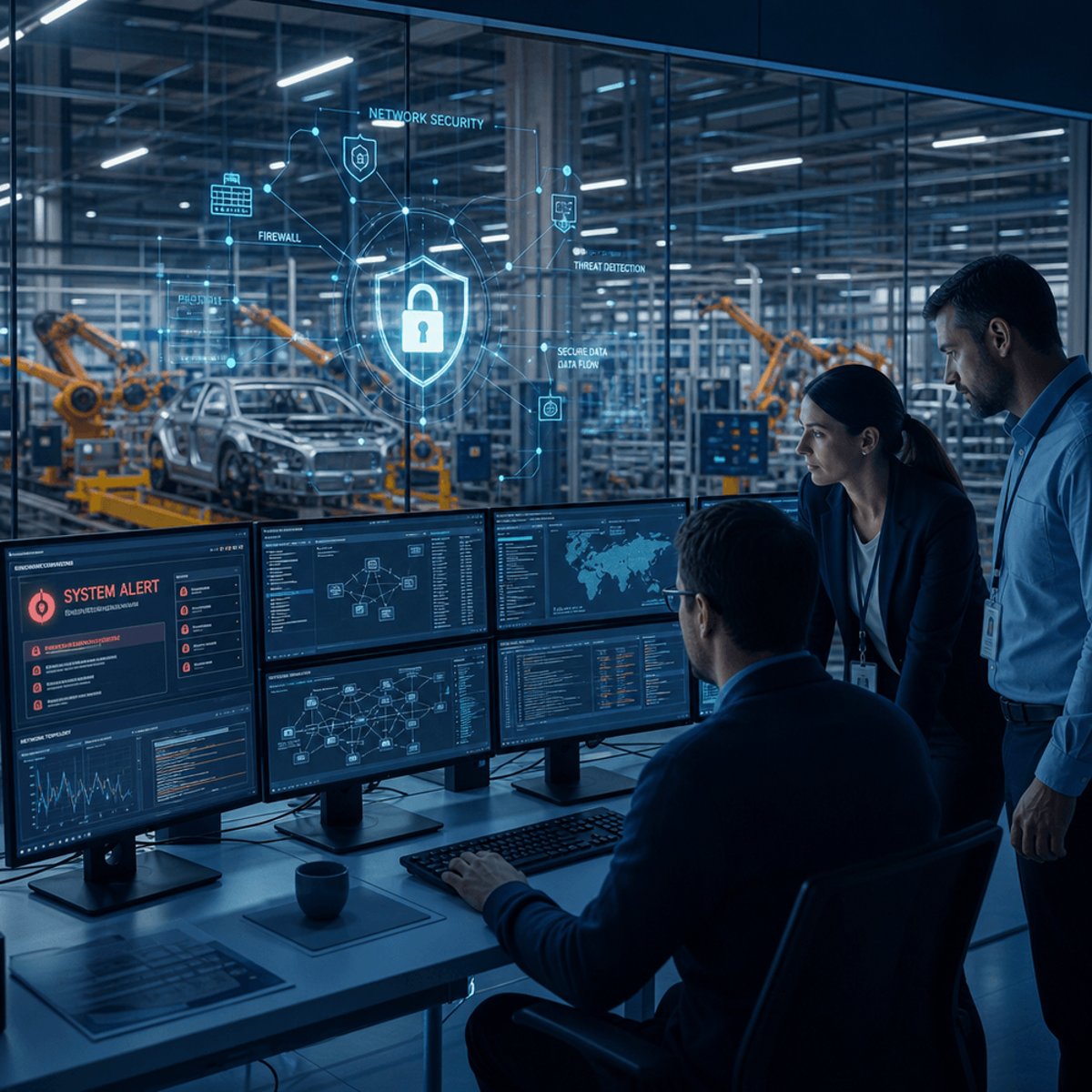
The breach, which occurred in 2025, brought production to a grinding halt across JLR's global manufacturing facilities. Assembly lines went dark. Dealers couldn't access inventory systems. Engineers lost access to critical design data. The cascading failures rippled through the company's entire digital infrastructure, making it one of the most disruptive cyberattacks the automotive sector has ever witnessed.
What makes the $2.5 billion price tag particularly staggering is how it reflects the total cost of modern cyber warfare against manufacturers. That figure encompasses halted production, recovery operations, compromised intellectual property, regulatory penalties, and the ongoing security overhaul needed to prevent future incidents. For context, the average data breach costs companies around $4.5 million, according to IBM's annual security reports. JLR's incident cost more than 500 times that amount.
The timing couldn't have been worse for Jaguar Land Rover and its parent company, India-based Tata Motors. The automaker was in the middle of a critical transformation toward electric vehicles and software-defined automobiles. The attack exposed vulnerabilities in systems that manage everything from manufacturing robotics to vehicle telemetry data, raising uncomfortable questions about security in an industry racing toward connectivity.
Russian hacking groups have ramped up their targeting of Western manufacturers over the past several years, using increasingly sophisticated ransomware and data extortion tactics. These aren't opportunistic criminals - they're well-funded operations with state backing and advanced persistent threat capabilities. The groups typically infiltrate networks through compromised credentials or software vulnerabilities, then move laterally across systems before deploying their payloads.
For Jaguar Land Rover, the breach meant more than just immediate operational chaos. The company faced potential exposure of proprietary vehicle designs, customer data, and supplier information. In the automotive world, where a single new model represents billions in development costs, intellectual property theft can obliterate competitive advantages that took years to build.
The incident also highlights a broader vulnerability in automotive supply chains. Modern vehicles contain dozens of electronic control units and millions of lines of code. Jaguar Land Rover vehicles, particularly its Range Rover line, feature advanced driver assistance systems, over-the-air update capabilities, and cloud-connected services. Each connection point represents a potential entry vector for attackers.
Security researchers have been warning about these risks for years. The convergence of traditional automotive engineering with software development has created a massive attack surface that most manufacturers weren't prepared to defend. Unlike tech companies that grew up with cybersecurity as a core competency, automakers are still adapting their cultures and processes to this new reality.
What's particularly concerning is how the attack methodology could be replicated across the industry. If Russian hackers successfully penetrated JLR's defenses, other manufacturers using similar systems and suppliers are potentially vulnerable. The automotive industry shares many common technology platforms, from enterprise resource planning systems to manufacturing execution software.
The $2.5 billion impact also serves as a wake-up call for how companies calculate cybersecurity risk. Traditional approaches focused on protecting data and maintaining system availability. But when a breach can literally stop production of $80,000 vehicles and cascade through global supply chains, the risk calculation changes dramatically. Every hour of downtime multiplies across thousands of employees, hundreds of suppliers, and millions of dollars in inventory.
Tata Motors, which acquired the British luxury brands in 2008, now faces the task of rebuilding trust with customers, dealers, and regulators. The company has invested heavily in security improvements since the breach, but the incident exposed how unprepared even major automakers were for sophisticated state-sponsored attacks.
The automotive industry's rush toward software-defined vehicles and autonomous driving makes these security challenges even more acute. Future vehicles will process exponentially more data, connect to more cloud services, and interact with smart city infrastructure. Each new feature expands the potential attack surface unless security is built in from the ground up rather than bolted on as an afterthought.
The attribution of the Jaguar Land Rover breach to Russian hackers marks a troubling escalation in how state-sponsored groups are weaponizing cyber capabilities against critical manufacturing infrastructure. For the automotive industry, this isn't just about one company's $2.5 billion problem - it's a preview of the security challenges every manufacturer will face as vehicles become software platforms on wheels. The incident should force boardrooms across the sector to recalculate their security investments and accelerate efforts to harden systems against sophisticated nation-state threats. As cars get smarter and more connected, the cost of getting security wrong will only climb higher.