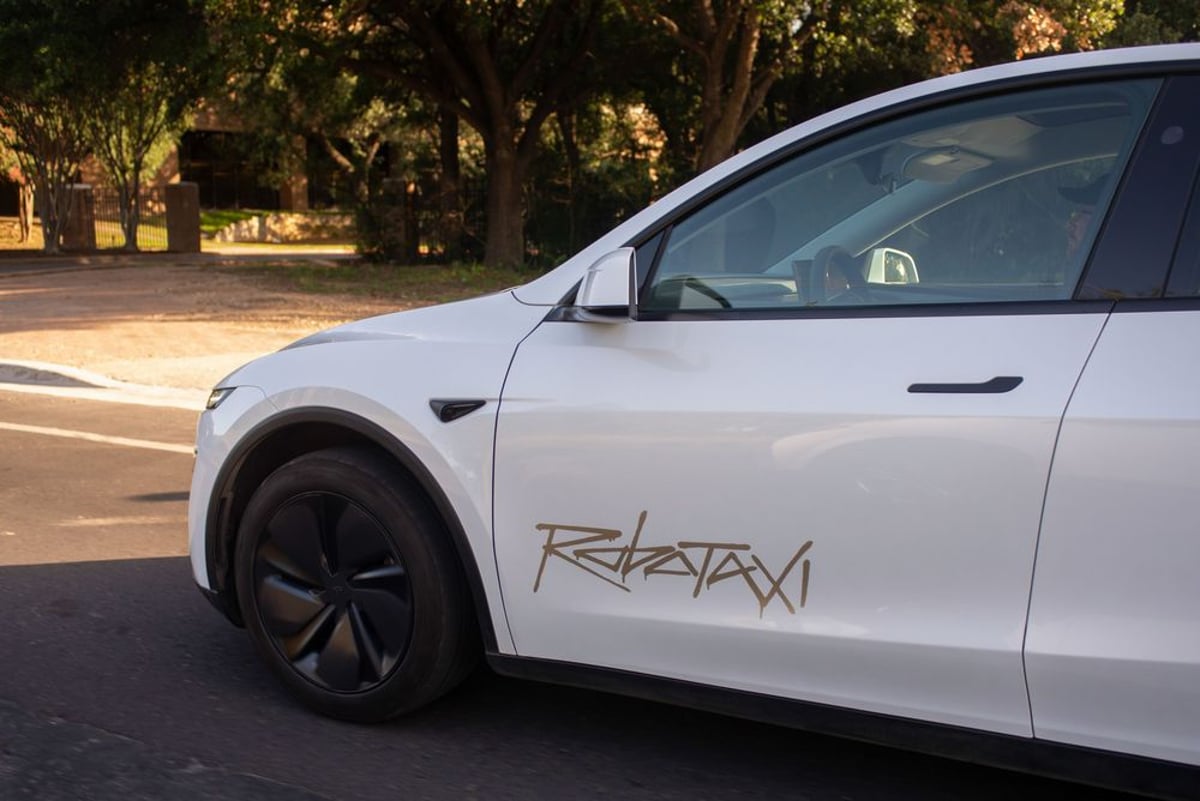
Tesla is running what amounts to regulatory theater in California, launching a so-called robotaxi service that isn't actually autonomous while dodging state officials who want answers. Internal emails reveal a company more interested in public perception than proper permits, leaving the California DMV scrambling to understand what Tesla is actually doing on San Francisco streets.
Tesla just pulled off one of the more audacious regulatory sidesteps in recent memory, and state officials aren't having it. The company's much-hyped San Francisco robotaxi launch has devolved into a bureaucratic mess that's got the California Department of Motor Vehicles asking pointed questions about what exactly Tesla thinks it's doing.
The whole thing started when Elon Musk began telling anyone who'd listen that Tesla had secured 'regulatory permission' for a Bay Area robotaxi service. Classic Musk - big claims, flashy promises, and enough ambiguity to drive regulators crazy. But here's where it gets interesting: according to emails obtained by Reuters, Tesla hadn't actually applied for any of the permits needed to test fully autonomous vehicles in California, let alone run them commercially.
What Tesla did launch was something far less revolutionary - vehicles with safety drivers behind the wheel, offering rides to invite-only customers. It's basically a fancy Uber with Tesla branding, not the autonomous future Musk has been promising investors for years. The California DMV noticed this disconnect pretty quickly and reached out to Tesla's policy team asking if they could help clear up the 'public confusion' about what was actually happening.
Tesla's response? Radio silence mixed with corporate speak. The company told state officials it was their policy not to respond to press questions - apparently missing the fact that these weren't reporters calling, but the actual government officials responsible for keeping autonomous vehicles safe on public roads. It's the kind of tone-deaf response that makes you wonder if anyone at Tesla actually reads the emails they're responding to.
The email chain, which also includes correspondence with the National Highway Traffic Safety Administration, reveals just how frustrated regulators have become with Tesla's approach. Officials kept pressing about 'misconceptions' regarding whether Tesla was operating an actual robotaxi service. Each time, Tesla's responses seemed designed more to avoid clarity than provide it.
This isn't just bureaucratic nitpicking - it's about fundamental questions of how AI companies communicate with the agencies tasked with public safety oversight. While competitors like Waymo and Cruise have spent years working through the permit process, Tesla appears to be betting it can create market pressure through public perception rather than regulatory compliance.
The strategy might work with investors and customers, but it's clearly not working with the people who actually issue the permits. California's DMV has been dealing with autonomous vehicle testing for over a decade now, and they know the difference between actual self-driving technology and marketing theater. They've seen companies try to blur these lines before, and it never ends well.
What's particularly striking about Tesla's approach is how it contrasts with the company's usual technical precision. This is a company that can land rocket boosters on floating platforms, but apparently can't figure out how to fill out a DMV application. The disconnect suggests this isn't about capability - it's about strategy.
The implications go beyond just Tesla. As AI companies increasingly push into regulated industries, the question of how they communicate with oversight agencies becomes critical. The 'move fast and break things' mentality that works in software doesn't translate well to industries where breaking things means potential harm to public safety.
For now, Tesla seems content to operate in this gray area - claiming robotaxi status while avoiding robotaxi responsibilities. But with state and federal regulators paying closer attention to AI safety, this regulatory arbitrage strategy might not work much longer. The emails make clear that officials are getting tired of the runaround, and patience with ambiguous answers is wearing thin.
Tesla's robotaxi confusion reveals a broader challenge facing the AI industry: how to balance ambitious public messaging with regulatory reality. While Musk's approach might generate headlines and investor excitement, it's clear that state officials want substance over spectacle. As AI safety becomes a bigger political issue, companies that can't clearly explain their technology to regulators may find themselves on the wrong side of public policy. The question now is whether Tesla will adjust its communication strategy or double down on regulatory theater.