Tesla just closed the books on a wrongful death lawsuit tied to its Full Self-Driving system, but the legal and regulatory pressure isn't letting up. The settlement, connected to a fatal 2023 crash involving a vehicle using the company's advanced driver assistance technology, comes as federal investigators continue digging into FSD's safety record. The timing reveals how Tesla's navigating a two-front battle - settling individual cases while broader regulatory scrutiny intensifies around its autonomous driving claims.
Tesla has settled a lawsuit stemming from a 2023 fatal crash involving a vehicle operating with Full Self-Driving engaged, marking another chapter in the company's mounting legal challenges over its advanced driver assistance system. The settlement comes as federal safety regulators continue separate investigations into FSD's performance, creating a split-screen reality where individual cases get resolved while systemic questions remain unanswered.
The crash that sparked the lawsuit adds to a growing list of incidents that have put Tesla's autonomous driving claims under the microscope. While the company has consistently argued that FSD requires active driver supervision and that humans remain responsible for vehicle operation, plaintiffs in crash cases have pushed back on whether Tesla's marketing and naming conventions mislead drivers about the system's capabilities.
Terms of the settlement weren't disclosed, following Tesla's typical playbook of resolving litigation privately before cases reach trial. This approach lets the company avoid the discovery process and public testimony that could expose internal communications about FSD's limitations. It's a strategy Tesla has deployed repeatedly as crash-related lawsuits have multiplied alongside the system's expanding user base.
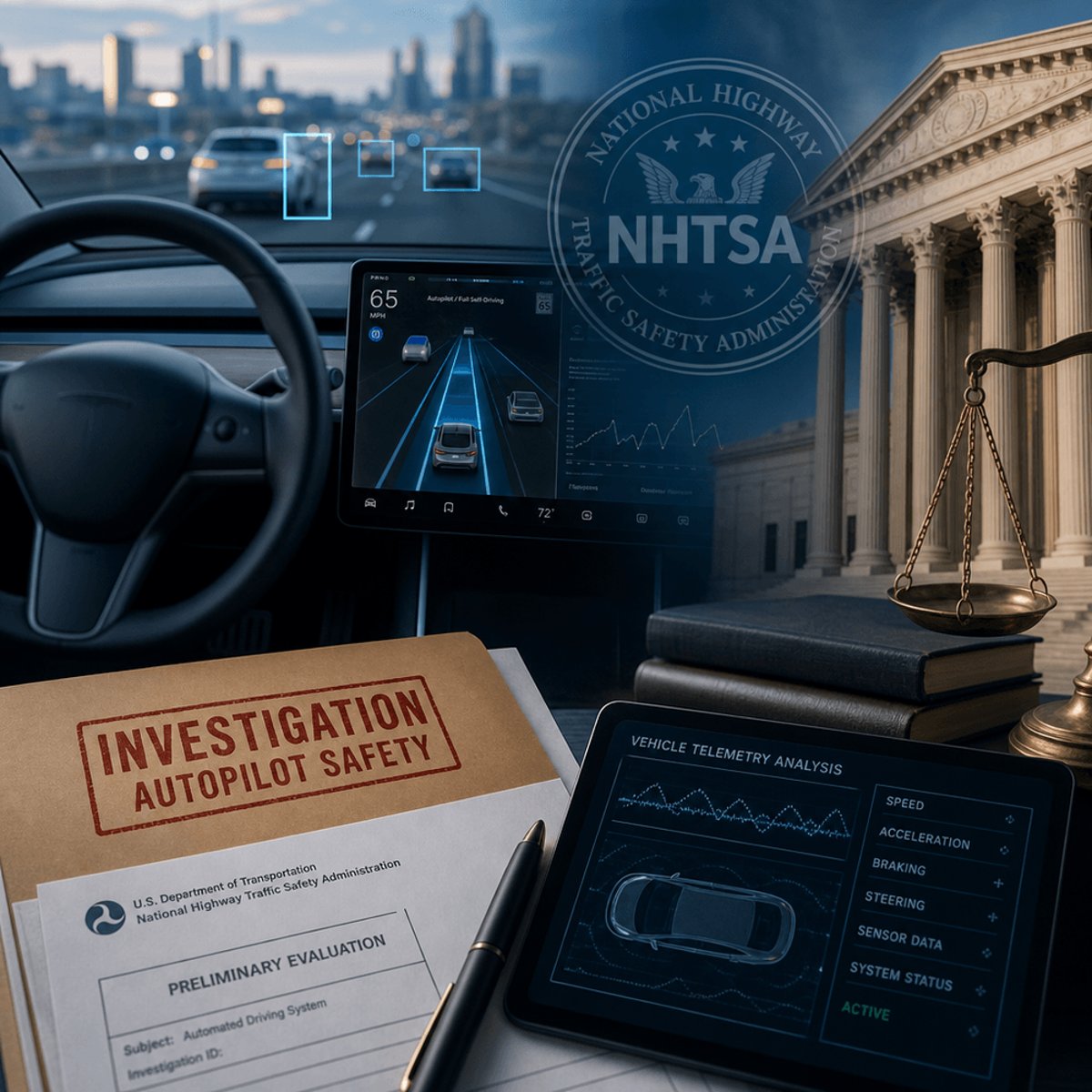
But settling individual cases doesn't make the broader regulatory headaches disappear. The National Highway Traffic Safety Administration has multiple active investigations examining FSD's role in crashes, including incidents where the system allegedly failed to detect and respond to obstacles or traffic control devices. These federal probes carry the potential for recalls, mandatory software updates, or restrictions on how Tesla can market and deploy the technology.
The timing of this settlement is notable. Tesla recently expanded FSD availability and continues pushing toward what CEO Elon Musk has long promised would be fully autonomous operation. But each crash that makes headlines - and each resulting lawsuit - undercuts the narrative that the technology is ready for widespread deployment. Insurance industry data shows Tesla vehicles using FSD have been involved in crashes at rates that raise questions about whether the system actually improves safety over human-only driving.
Legal experts watching the autonomous vehicle space say Tesla faces a unique challenge compared to competitors like Waymo or Cruise. Those companies operate in limited geographic areas with safety drivers or remote monitoring. Tesla's approach of deploying FSD to hundreds of thousands of consumer vehicles creates exponentially more opportunities for crashes - and litigation. Every incident becomes a potential test case for how courts will assign liability when AI systems share control with human drivers.
The settlement also highlights the information asymmetry around FSD crashes. Tesla collects detailed telemetry data from every vehicle, giving the company comprehensive knowledge of how the system performs in real-world conditions. Plaintiffs and regulators, meanwhile, must fight for access to that data through legal discovery or regulatory demands. This dynamic has frustrated safety advocates who argue the public deserves transparency about how often FSD makes critical errors.
For Tesla investors, the settlement is likely a non-event financially - individual wrongful death cases rarely move the needle for a company with Tesla's market capitalization. The bigger concern is whether the accumulation of crashes and settlements will eventually trigger more aggressive regulatory action or create enough public backlash to slow FSD adoption. Tesla has bet heavily on autonomous driving as a key revenue driver and competitive advantage, making any speed bumps in deployment potentially significant.
The federal investigations running parallel to this settlement could prove more consequential. If NHTSA determines FSD has systematic safety flaws, the agency could mandate changes that affect every vehicle running the software. That's a different scale of impact than settling individual lawsuits, potentially forcing Tesla to fundamentally revise how FSD operates or how the company describes its capabilities to customers.
Industry watchers note that autonomous driving litigation is still in early stages, with few clear legal precedents for how courts will handle cases where AI systems and human drivers share control. Tesla's settlements prevent those precedents from forming, but eventually a case will likely go to trial and force courts to grapple with thorny questions about where machine responsibility ends and human accountability begins.
Tesla's settlement strategy buys the company time and privacy, but it doesn't resolve the fundamental tension at the heart of FSD's deployment. As long as the system operates in a gray zone between human and machine control, crashes will continue generating lawsuits and regulatory scrutiny. The federal investigations running in the background represent the bigger threat - not to Tesla's bank account, but to the company's vision of deploying autonomous driving technology at massive scale before competitors. For now, Tesla is managing the legal exposure case by case, but the broader questions about FSD's safety and Tesla's claims about its capabilities remain very much open.