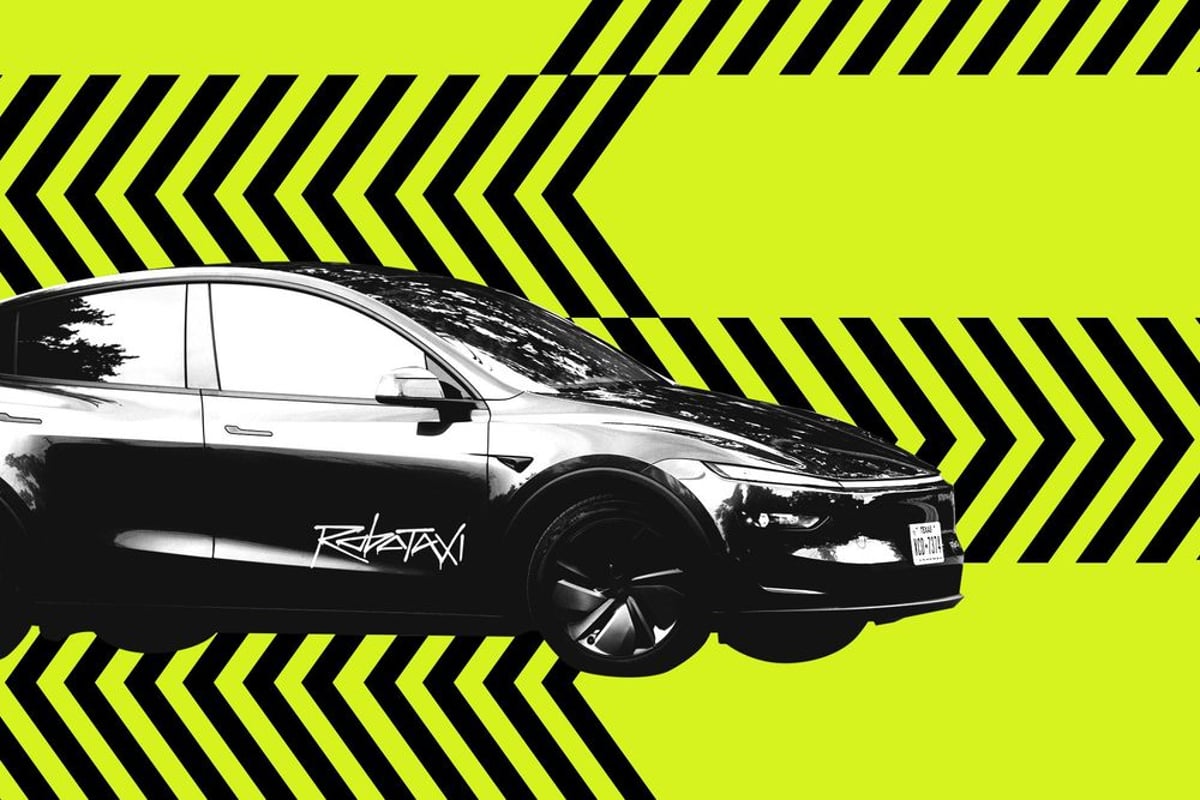
Tesla is throwing down the gauntlet in the robotaxi wars with rock-bottom prices that undercut everyone - but riders will need patience. A new analysis from Obi, a ridehail aggregation app, reveals Tesla's San Francisco robotaxi service averages just $8.17 per ride, crushing Waymo's premium pricing while forcing riders to wait over 15 minutes for pickup. The data, spanning 94,348 rides between November 2025 and January 2026, exposes a classic tech playbook: subsidize aggressively now, worry about profits later. But with safety monitors still in the driver's seat and regulatory hurdles ahead, Tesla's pricing gambit raises a critical question - how long can this last?
Tesla is playing the long game in autonomous transportation, and the opening move is all about price. New data from Obi shows the company's robotaxi service is undercutting every competitor in San Francisco with fares that haven't been seen since Uber was burning through venture capital to kill the taxi industry.
The numbers are striking. Tesla's average robotaxi fare sits at $8.17, rarely breaking the $10 barrier according to Obi's report analyzing 94,348 rides collected between November 27, 2025, and January 1, 2026. That's nearly half what riders pay for Lyft, which averages $15.47 per trip in the same market.
But the real gut punch to competitors is Tesla's per-kilometer pricing: $1.99, the lowest figure Obi has recorded in its ridehail tracking. Compare that to Waymo's $5.72 per kilometer, and you start seeing how Elon Musk's company could reshape the entire competitive landscape - if it can scale.
The catch? You're going to wait for it. Tesla's average pickup time clocks in at 15.32 minutes, nearly three times longer than Waymo's 5.74-minute average. Obi's data labels this "considerably higher" than traditional ridehail services, exposing the reality that Tesla's operating just a handful of vehicles while Waymo runs 2,000-2,500 across five US cities.
Waymo, meanwhile, is getting more competitive on price. Back in June, Obi reported Alphabet's robotaxi arm was 30-40% more expensive than Uber and Lyft. That gap's narrowing fast - Waymo now runs just 12.7% above Uber and 27.3% above Lyft on average. For longer hauls between 4.3-9.3 kilometers, Waymo's only 2% pricier than Uber.
The competitive dynamics are shifting as Waymo drops prices and traditional ridehail costs creep upward. Waymo's providing 450,000 paid trips weekly as of December 2025, building the scale advantage that Tesla's still chasing.
There's a fundamental asterisk hovering over this entire comparison: Tesla's robotaxis aren't actually robotaxis in the fully autonomous sense. Safety monitors still sit behind the wheel with kill switch access, and the company lacks California permits for true driverless operations. Tesla just started testing without drivers in Texas, but chase cars follow every vehicle.
Multiple experts have raised doubts about whether Tesla's camera-based approach can achieve full autonomy without additional hardware like lidar, which Waymo relies on. That technical debate matters because it determines whether Tesla's dirt-cheap pricing is visionary strategy or unsustainable subsidy.
The market's eating it up regardless. Obi surveyed 2,000 people across California, Nevada, Texas, and Arizona, finding comfort levels with robotaxis jumped from 35% to 63% since the last survey. Over half of respondents believe autonomous vehicles will be safer than human drivers within five years.
But concerns persist. High costs worry 45% of respondents, while long wait times bother 33%. Cancellations frustrate 29%, and lack of competition concerns 24%. Safety remains the sticking point - over 50% cite it as a persistent worry, with 47% specifically concerned about system failures.
Tesla's pricing strategy recalls Uber's early playbook: use investor cash to undercut incumbents, grab market share, then figure out profitability later. The difference is Tesla's subsidizing rides while still paying safety monitors and operating a tiny fleet. The economics only work if the company can remove those monitors, scale the fleet massively, and maintain these prices - a trifecta that depends on regulatory approvals and technical breakthroughs that haven't materialized yet.
Waymo's approach looks more sustainable: gradually lowering prices from a premium position while operating truly driverless at scale. The company's shrinking price gap with traditional ridehail suggests a path to profitability that doesn't require predatory pricing.
The competitive landscape is about to get more crowded. Obi notes it plans to include Zoox, Amazon's autonomous vehicle unit that recently launched free robotaxi service in San Francisco, in its next analysis. More players mean more pressure on pricing and service quality.
What remains unclear is how long Tesla can maintain $8 fares while employing safety monitors and operating limited vehicles. The company's market cap gives it deep pockets for subsidies, but investors eventually want to see a path to profits. Every ride at $8.17 with a human safety monitor in the seat is burning cash, not building a sustainable business model.
The robotaxi race is heating up, and price is emerging as the key battleground. Tesla's betting it can undercut everyone long enough to build scale and remove safety monitors. Waymo's wagering that premium pricing for truly autonomous service will win over convenience and reliability matter more than rock-bottom fares. Traditional ridehail companies are watching nervously as both autonomous players chip away at their margins.
For riders in San Francisco and Austin, the choice is stark: pay less and wait longer with Tesla, or pay more for faster, fully autonomous service from Waymo. How consumers vote with their wallets will shape the future of urban transportation.
Tesla's $8 robotaxi fares represent either brilliant disruption or unsustainable subsidies, depending on whether the company can scale its fleet and remove safety monitors before the cash runs out. Waymo's response - narrowing the price gap while operating truly autonomous at scale - suggests a more sustainable path, but Tesla's willingness to lose money short-term could reshape consumer expectations permanently. The real winners right now are San Francisco riders enjoying a price war between two deep-pocketed tech giants, while traditional ridehail companies watch their margins evaporate. What happens next depends on regulators, technology breakthroughs, and how long investors tolerate Tesla's cash-burning strategy. One thing's certain: the autonomous vehicle future is arriving faster and cheaper than most expected, even if the technology isn't quite ready for prime time.