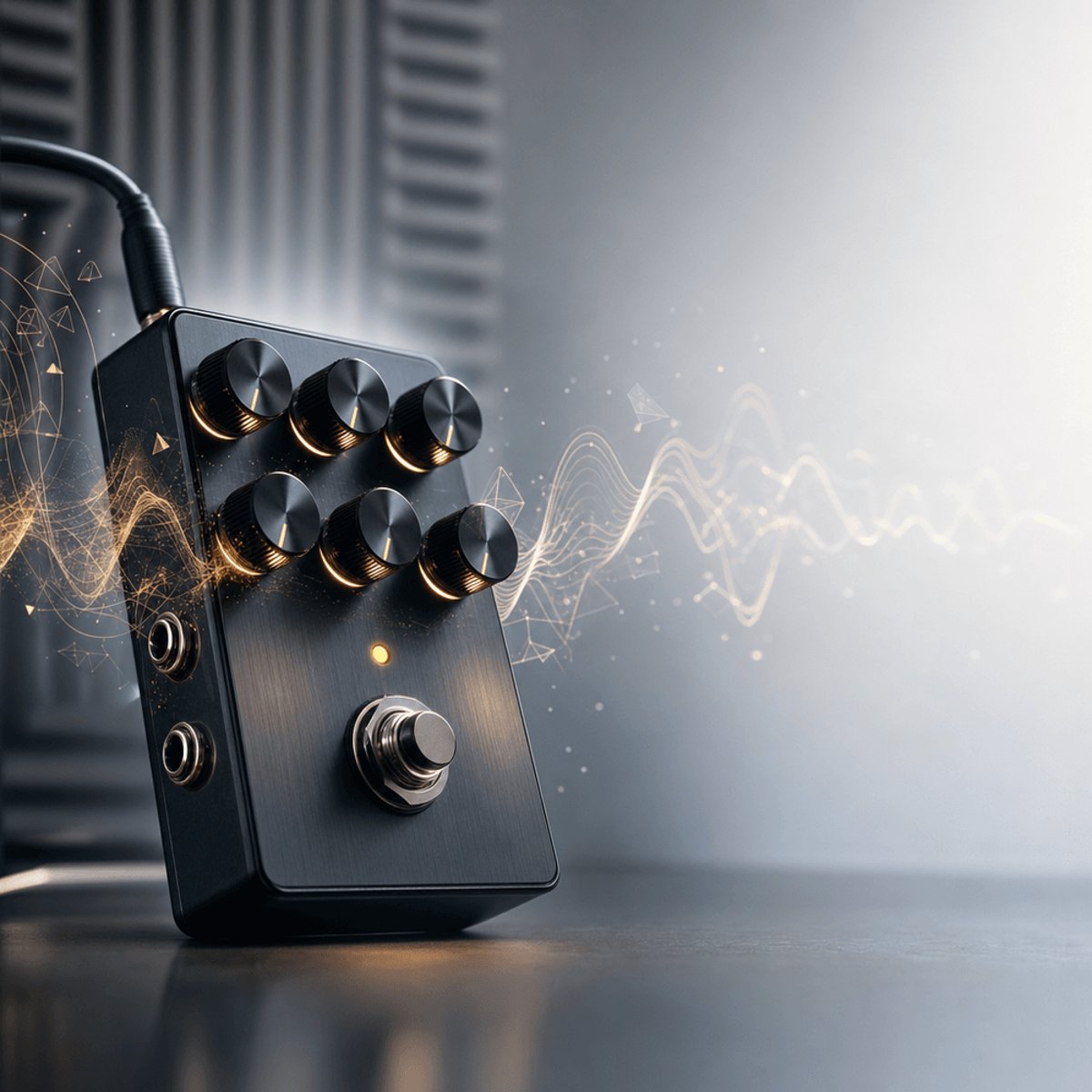
Polyend just launched Endless, a $299 AI-powered guitar pedal that generates custom effects from text prompts. The ARM-powered device pairs with Playground, a suite of interconnected AI agents that translate natural language into audio processing algorithms. It's one of the first attempts to bring generative AI into the analog world of guitar effects, and according to The Verge's hands-on review, the concept shows promise even if execution remains rough around the edges.
Nobody asked for an AI guitar pedal, but Polyend built one anyway. The Polish music hardware maker just shipped Endless, a $299 effects unit that turns text descriptions into guitar sounds using generative AI. Type "warm vintage tape delay with subtle wow and flutter" and the pedal's Playground AI system attempts to synthesize that exact effect in real-time.
It's a bold move into uncharted territory. Guitar pedals have remained largely unchanged for decades, relying on analog circuits or digital recreations of classic effects. Polyend is betting that AI can unlock infinite sonic possibilities without requiring musicians to understand signal processing theory or twist a dozen knobs hoping to stumble onto something interesting.
The hardware itself runs on an ARM processor, the same chip architecture powering most smartphones. That's significant computing power for a stomp box. Polyend built Endless to be fully programmable, positioning it somewhere between a traditional pedal and a dedicated effects computer. Guitarists can save custom patches, chain multiple AI-generated effects, and even purchase physical "Plates" that snap onto the device to load specific effect algorithms like "Endless Delay" or "ARP."
Polyend isn't some fly-by-night Kickstarter operation trying to cash in on AI hype. The company's earned respect in music production circles for devices that embrace weirdness while remaining genuinely useful. Their Tracker Plus brought 1990s-era tracker sequencing to modern hardware. The Mess multi-effect pedal lets musicians step-sequence effect parameters like a drum machine. Both products found devoted followings despite serving niche audiences.
That pedigree matters here. AI audio tools have flooded the market over the past year, most promising revolution while delivering mediocrity. But if any company understands how to build idiosyncratic music gear that musicians actually want to use, it's Polyend. They've shown they can take experimental concepts and turn them into instruments rather than gimmicks.
The Playground AI system represents the real innovation. Rather than a single large model, Polyend uses multiple interconnected AI agents that specialize in different aspects of audio processing. One agent might interpret the user's intent, another generates the signal processing parameters, while a third optimizes for musical usability. This multi-agent approach could theoretically produce more nuanced results than asking a general-purpose AI to hallucinate an entire effect from scratch.
The Verge's Terrence O'Brien spent time with Endless and came away cautiously optimistic. His assessment - "has potential" - suggests the pedal isn't quite ready to replace a guitarist's carefully curated pedalboard. That's not surprising for a first-generation product trying to solve an incredibly complex problem. Translating vague human descriptions into precise audio processing remains one of AI's harder challenges.
The $299 price point positions Endless as a mid-range experimental purchase rather than an impulse buy. Professional multi-effects units from Boss or Line 6 cost similar amounts, but those deliver proven algorithms refined over years. Polyend is asking guitarists to pay premium prices for unproven technology, banking on the promise of infinite sonic exploration.
Still, the physical Plates system shows smart thinking. Guitarists live performances can't afford to fiddle with text prompts between songs. Swappable preset plates offer the best of both worlds - AI-generated effects with the reliability of traditional hardware. It's the kind of practical design decision that separates useful tools from tech demos.
The broader music gear industry is watching this launch closely. If Endless finds an audience, expect Boss, Electro-Harmonix, and other major players to rush out their own AI pedals within 18 months. If it flops, it might set back AI adoption in music hardware by years. The stakes extend beyond one company's product line.
What happens next depends entirely on what sounds Endless actually produces. All the clever engineering and AI agents mean nothing if the pedal can't generate effects that inspire musicians to create. Early reviews will either validate Polyend's vision or expose the gap between AI's promise and reality in professional audio applications.
The Endless pedal represents a genuine attempt to push guitar effects into new territory rather than another AI product chasing headlines. Polyend's track record building weird-but-wonderful music gear suggests they understand the difference between novelty and utility. Whether AI-generated effects can match the character and reliability of traditional pedals remains an open question, but at least someone's finally asking it with serious hardware. The coming months will reveal if text-to-effect generation becomes the future of guitar processing or joins the long list of promising music tech that never quite clicked with actual musicians.