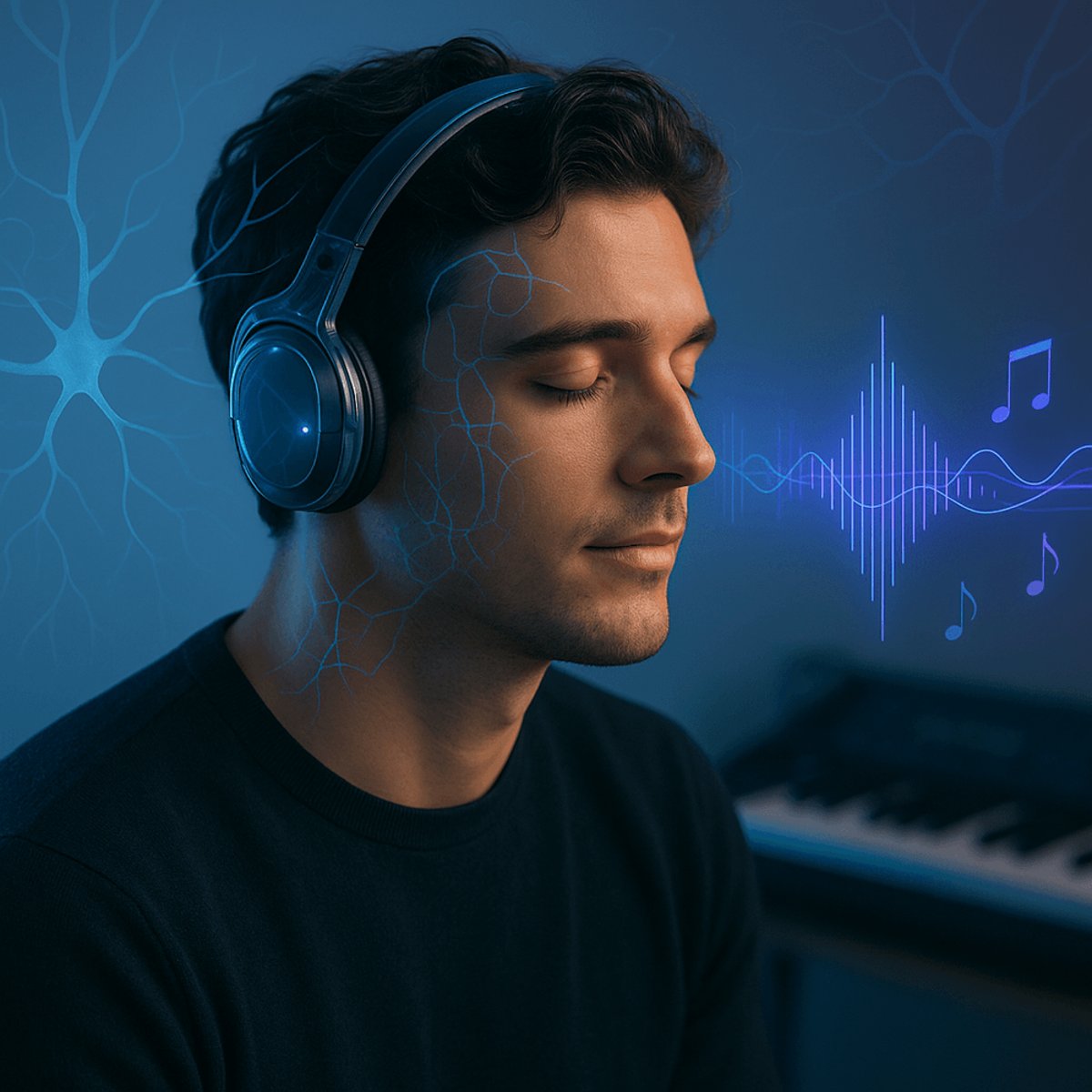
Galen Buckwalter isn't just testing a brain-computer interface—he's composing music with it. In a development that could reshape how we think about neural implant adoption, Buckwalter is demonstrating that brain-computer interfaces need to deliver joy, not just restore function, if they're ever going to break into the mainstream. His argument cuts to the heart of a problem the entire BCI industry faces: nobody's going to want a chip in their brain if using it feels like work.
Galen Buckwalter is making an unconventional case for the future of brain-computer interfaces, and he's doing it one musical note at a time. While companies race to help paralyzed patients type messages or control robotic arms, Buckwalter's using his neural implant for something entirely different: creating music with his thoughts. It's not just an artistic experiment. It's a calculated argument about what it'll actually take to make brain implants successful outside the lab.
"Brain-computer interfaces will have to be enjoyable to use if the technology is going to be successful," Buckwalter says, according to reporting from Wired. That simple statement carries enormous implications for an industry that's invested billions in restoring lost abilities but spent comparatively little time thinking about whether people will actually want to use these devices day-to-day.
The BCI field has become crowded with competitors, from Neuralink to Synchron to academic research teams, all focused on helping people with paralysis regain independence. Those are worthy goals, but Buckwalter's musical exploration reveals a blind spot. If these interfaces feel like medical equipment rather than extensions of human creativity and pleasure, they risk becoming something people tolerate rather than embrace.
Buckwalter's approach flips the traditional narrative. Instead of asking what brain implants can restore, he's exploring what they might enable that was never possible before. Turning neural signals into melodies isn't about compensation for a deficit—it's about augmentation, about doing something novel that unmodified brains can't achieve. That distinction matters as the technology moves beyond early clinical trials.
The music creation process itself represents a technical achievement. Brain-computer interfaces work by detecting electrical signals from neurons and translating them into digital commands. Getting that translation smooth enough for real-time artistic expression requires precision that goes beyond the binary commands needed for typing or cursor control. Every hesitation, every lag between thought and sound, breaks the creative flow that makes music-making satisfying.
This isn't just about entertainment value, though that's part of it. It's about proving that BCIs can integrate into the texture of daily life rather than remaining assistive tools you consciously activate. Meta learned this lesson with virtual reality—technical capability means nothing if the experience feels clunky or isolated. Brain implants face an even steeper adoption curve given the surgical requirements.
The timing of Buckwalter's work is significant. The neural interface industry hit an inflection point over the past year, with multiple human trials underway and regulatory pathways becoming clearer. But early results have revealed challenges nobody advertised in the promotional videos. Patients report fatigue from the mental effort required to control BCIs. Some describe the experience as exhausting rather than liberating. That's where Buckwalter's emphasis on enjoyment becomes critical.
If using a brain implant feels like physical therapy—necessary but draining—adoption will plateau once the medical need is addressed. But if the technology can deliver experiences people actively seek out, if it can make you feel powerful or creative or connected in new ways, the market expands dramatically. Gaming companies understood this decades ago. Neural interface developers are just catching up.
The creative applications also solve a business problem. Medical BCIs face reimbursement battles, insurance negotiations, and strict regulatory oversight. Consumer BCIs focused on entertainment or enhancement could follow a different path, though they'd bring their own ethical complexities around elective brain surgery. Buckwalter's musical experiments exist in an interesting middle ground—medically approved devices being used for non-medical purposes.
Other researchers are starting to explore similar territory. Labs have demonstrated BCI-controlled art creation and virtual reality navigation. But these mostly remain proof-of-concept demos rather than sustained creative practices. Buckwalter's commitment to actually making music, not just demonstrating that it's possible, provides different insights. You learn things about interface design from extended use that brief trials never reveal.
The comparison to early smartphones is instructive. The first devices could technically browse the web and send emails, but they were clunky enough that people only used them when necessary. It wasn't until touchscreens became responsive and apps became intuitive that phones transformed from tools into constant companions. Brain-computer interfaces are somewhere in the flip-phone era right now. They work, but they don't delight.
What Buckwalter's work suggests is that the path to mainstream BCI adoption might not run exclusively through medical applications. It might require figuring out how to make these interfaces feel less like prosthetics and more like instruments—in both the musical and practical sense. Tools that extend capability in ways that feel natural and rewarding rather than compensatory.
Buckwalter's brain-powered music isn't just a fascinating demo—it's a thesis about the future of neural technology. The companies pouring resources into medical BCIs are solving real problems, but they might be missing the bigger question: what makes technology stick isn't just what it can do, but how it feels to use it. If brain-computer interfaces remain purely functional, they'll help thousands. If they become genuinely enjoyable, they could reshape how millions of people interact with technology. The notes Buckwalter's playing aren't just music. They're a signal about which direction this industry needs to move.