The smartphone might be humanity's most essential device, but according to True Ventures co-founder Jon Callaghan, we'll barely recognize how we use them in five years—and might abandon them entirely within a decade. It's a bold bet, but one backed by two decades of early-stage investing that turned Fitbit, Ring, and Peloton into billion-dollar companies. True is already hedging by backing alternative interfaces like Sandbar, a voice-activated ring designed as a 'thought companion' rather than another computing device.
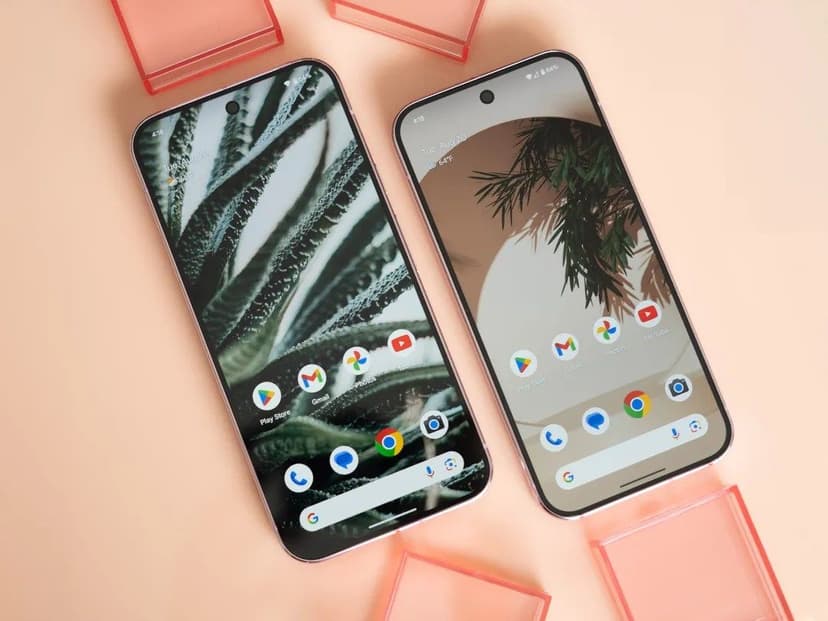
Jon Callaghan doesn't mince words. "We're not going to be using iPhones in 10 years," the True Ventures co-founder said flatly in a recent interview. "I kind of don't think we'll be using them in five years." That's not idle speculation from some Twitter contrarian. It's a thesis True Ventures is actively betting tens of millions of dollars against.
For a firm managing roughly $6 billion across 12 core seed funds and another four opportunity funds, making that kind of call carries real weight. Over two decades, True has backed an almost prescient roster of hardware bets that seemed questionable at the time—Fitbit when wearables were a niche, Peloton after hundreds of other VCs said no thanks, and Ring when founder Jamie Siminoff was nearly broke and even Shark Tank judges rejected him. The firm boasts 63 profitable exits and seven IPOs from a portfolio of roughly 300 companies. When Callaghan talks about the future of human-computer interaction, people listen.
His core argument is refreshingly straightforward: smartphones are terrible at being the interface between humans and intelligence. "The way we take them out right now to send a text to confirm this or send you some message or write an email—that's super inefficient, and not a great interface," he explains. "They're prone to error, prone to disruption of our normal lives." As AI becomes the layer people interact with most, fumbling with a touchscreen feels increasingly outdated.
True's been quietly exploring alternative interfaces for years—everything from software to hardware. The latest bet is Sandbar, a startup building what Callaghan calls a "thought companion": a voice-activated ring worn on the index finger designed to capture and organize your thoughts through voice notes. It's not trying to be another AI Pin or compete with health-tracking rings. "It does one thing really well," Callaghan says. "But that one thing is a fundamental human behavioral need that is missing from technology today."
What really drew True to Sandbar founders Mina Fahmi and Kirak Hong (who previously worked on neural interfaces at CTRL-Labs, a startup Meta acquired in 2019) wasn't just the gadget—it was the behavior. "When we met Mina, we were just absolutely aligned on vision," Callaghan recalls. "It's about what the ring enables. It's about the behavior it enables that we will very soon realize we can't live without." That's Callaghan's core insight applied across all True's winners: it's never about the bike, the doorbell, or the watch. It's about the behavior that technology unlocks.
The market data supports his thesis. The global smartphone market is effectively saturated, growing at barely 2% annually. Wearables—smartwatches, rings, voice-enabled devices—are expanding at double-digit rates. Something's shifting in how people want to interact with technology, and the growth numbers are screaming it.
Callaghan's caution extends to the broader AI boom too. While he believes OpenAI could eventually hit a trillion-dollar valuation and calls this "the most powerful compute wave we've seen," he's troubled by the circular financing deals backing hyperscalers and their projected $5 trillion in data center and chip spending. "We're in a very capital intense part of the cycle, and that is worrisome," he notes. But he's not bearish on AI itself—just skeptical about where the real value gets created. His bet: not in infrastructure, but in the application layer where new interfaces enable entirely new behaviors.
That measured philosophy also explains why True stays disciplined on capital. While AI startups are raising hundreds of millions at billion-dollar valuations overnight, True writes seed checks of $3 million to $6 million for 15-20% ownership. "Why raise billions?" Callaghan says. "You don't need that to build something amazing today." It's a philosophy that's paid off for two decades, and it's one that seems increasingly contrarian in an era of mega-rounds and hype cycles. True would rather be early on the next Peloton than chase billion-dollar AI valuations that feel inflated. The investment thesis is simple: find teams with unreasonable conviction about behaviors people don't yet know they need, then get out of the way.
Callaghan's prediction about smartphone obsolescence isn't just another VC hot take—it's backed by a two-decade track record of betting on interface shifts that looked crazy at the time. True Ventures saw the smartphone coming when everything was still on desktops, and they've been right about hardware transitions ever since. Whether it's wearables or AI-powered rings capturing voice thoughts, the pattern holds: new behaviors emerge, new devices enable them, and the old way of interacting with technology fades. The smartphone market's anemic 2% growth while wearables explode at double-digit rates suggests the trend lines are already shifting. True's betting that the next five to ten years look radically different from today—and based on their portfolio's exits, it's worth paying attention.