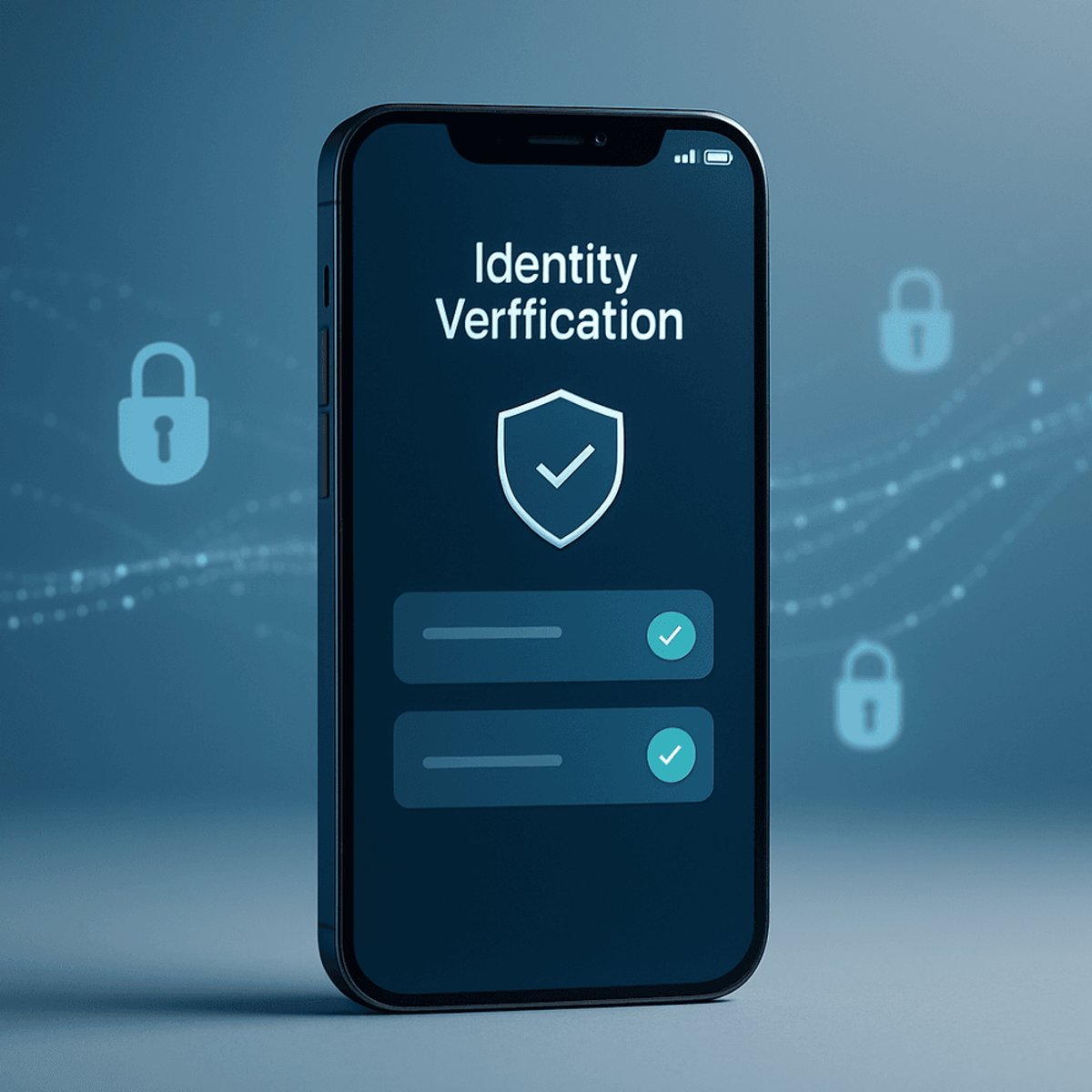
Privacy advocates have long feared the growing age-verification industry that forces users to upload government IDs to third-party servers. TruSources, founded by former WhatsApp encryption engineer Sanjay Krishnamurthy, just cracked the code - performing identity checks entirely on-device without sensitive data ever leaving your phone. The startup launches at TechCrunch Disrupt 2025 next month.
TruSources just solved one of the internet's most pressing privacy dilemmas. The startup's on-device identity verification technology promises to end the nightmare of uploading government IDs to countless third-party servers - a practice that's exploded alongside age-verification laws taking effect across the U.S., UK, Australia and beyond.
The company's founder and CTO Sanjay Krishnamurthy brings serious credentials to the privacy battlefield. The former WhatsApp engineer worked on the messaging platform's core encryption engine before tackling what he calls a "huge problem" created by governments mandating age checks without considering the privacy implications.
"A handful of countries have mandated that all apps need to know your age, and they've made a huge problem because they don't want to take the IDs from all over the world and there's all kinds of legal implications," Krishnamurthy told TechCrunch.
The current system has privacy advocates spooked for good reason. Traditional "know your customer" checks require users to upload copies of government-issued IDs plus selfies to verify identity - creating honeypots of sensitive data vulnerable to breaches, monetization, or misuse by the very companies meant to protect access.
TruSources flips this model entirely. The company's custom machine learning models run locally on users' devices, processing identity verification in seconds without transmitting any personal data to external servers. The technology relies on pattern detection from proprietary datasets designed to spot deepfakes and fraudulent identity documents.
Krishnamurthy's initial focus was scam prevention - a natural application given how many fraud schemes depend on tricking victims into sharing sensitive information. But the technology's implications stretch far beyond individual protection into enterprise compliance and real-world applications.
The startup has developed both deepfake-detection and KYC apps that can integrate with existing corporate single-sign-on services, letting employees access multiple work applications while maintaining strict identity verification standards. For physical locations, the technology generates QR codes that prove age without requiring customers to hand over physical identity documents to bartenders or security staff.
This approach addresses a growing compliance burden as age-verification laws multiply globally. The entire ID-checking industry has emerged to help websites and apps comply with these regulations, but most solutions require centralized data collection that creates new privacy and security risks.
TruSources plans to showcase its technology at TechCrunch Disrupt 2025, running October 27-29 at Moscone West in San Francisco. The timing couldn't be better as lawmakers worldwide grapple with balancing digital safety requirements against fundamental privacy rights.
The startup enters a crowded identity verification market but stands out for its privacy-first architecture. While competitors like Jumio, Onfido, and Yoti have built businesses around centralized ID processing, TruSources bet that on-device verification represents the future of compliant identity checks.
Early-stage companies rarely tackle such complex technical and regulatory challenges simultaneously. But Krishnamurthy's background in encryption systems and the urgent need for privacy-preserving compliance solutions could position TruSources as a key player in the evolving digital identity landscape.
The broader implications extend beyond age verification into any scenario requiring identity confirmation - from financial services to healthcare access to secure building entry. If the technology proves reliable at scale, it could fundamentally reshape how digital services balance regulatory compliance with user privacy.
TruSources represents a critical shift in how we think about digital identity verification. By keeping sensitive data on users' devices rather than uploading it to corporate servers, the startup addresses both the compliance demands of new age-verification laws and the privacy concerns they create. With Krishnamurthy's WhatsApp encryption expertise and the growing regulatory pressure worldwide, this approach could define the next generation of identity verification technology. The real test comes when enterprises and consumers decide whether privacy-preserving verification can match the convenience and reliability of current centralized systems.