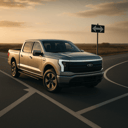
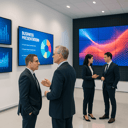
Samsung just scored one of its biggest enterprise wins ever, expanding its Toyota partnership to deploy 23,000 smart displays across dealerships in 40 countries. The rollout transforms traditional car lots into interactive digital showrooms where customers can configure vehicles in real-time, while Samsung's MagicINFO platform manages the entire network remotely. This marks Samsung's most comprehensive commercial signage project to date and comes as the company hit a record 38.8% global market share in commercial displays.
Samsung is quietly building an empire in enterprise displays, and its latest Toyota partnership proves the strategy is paying off big time. The Korean tech giant just announced a massive expansion of its dealership digitization project with Toyota, deploying 23,000 smart displays across showrooms in what executives are calling their most comprehensive commercial signage rollout ever.
The numbers tell the story of Samsung's growing enterprise ambitions. After successfully transforming 1,250 Toyota dealerships across 40 countries in early 2025, the company is now expanding into additional key markets. According to Omdia's Q2 2025 report, Samsung just hit a record-high 38.8% global market share by volume in commercial displays, maintaining its leadership position for 17 consecutive years.
"The trend of digitalizing car dealerships is accelerating globally, and digital signage is playing a key role in that shift," Hoon Chung, Samsung's Executive Vice President told reporters. What makes this rollout different is the scale and integration - these aren't just fancy TVs mounted on walls.
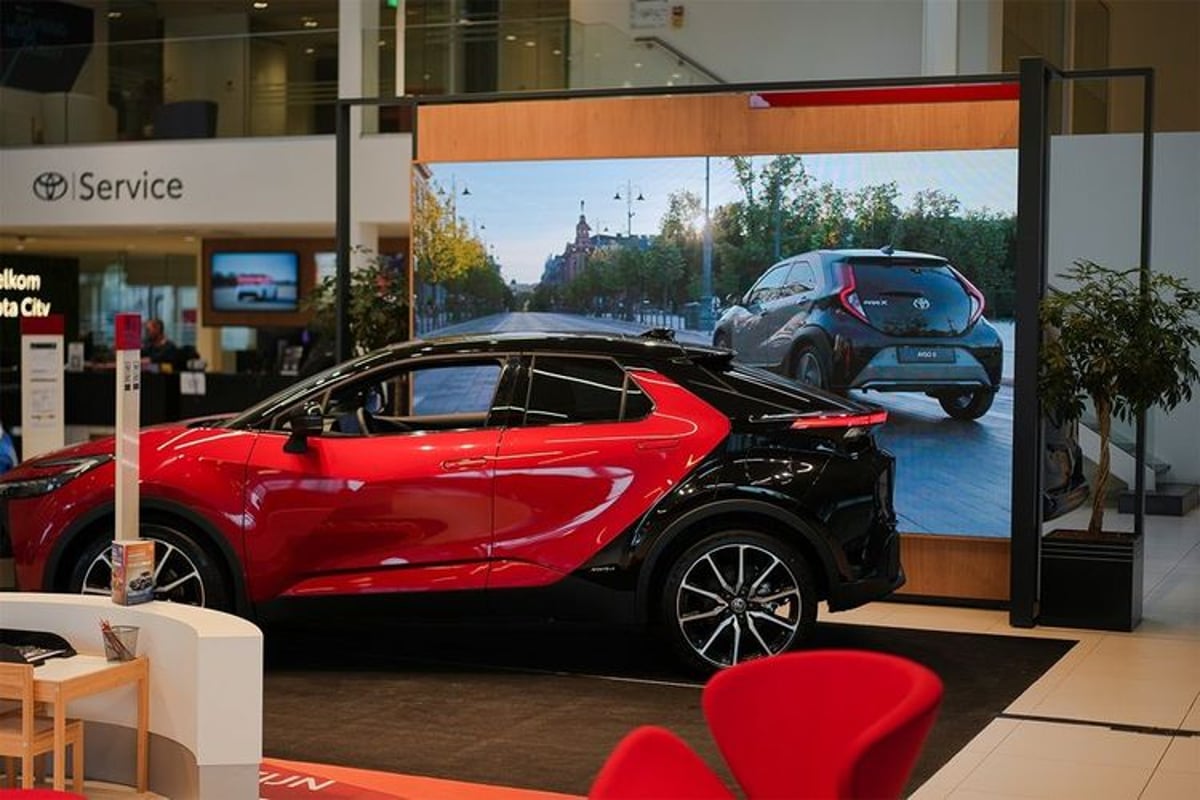
Walk into a digitized Toyota showroom and you'll find Samsung's QMC Series displays everywhere - from 43-inch touchscreens in consultation booths to massive 98-inch 4K displays in vehicle showcase areas. Customers can browse models, customize configurations, and explore financing options directly on the screens, while sales staff get freed up from routine product explanations to focus on closing deals.
But the real innovation happens behind the scenes. Samsung's MagicINFO platform manages the entire network remotely, letting Toyota teams monitor performance and push content updates from a centralized dashboard. The system carries ISO/IEC 27001:2022 and ISO/IEC 27701:2019 certifications from the British Standards Institution, addressing enterprise security concerns that have historically slowed digital signage adoption.
"Bringing Samsung's digital signage into our dealerships has added real value at every point of the customer journey," Dirk Christiaens from Toyota Motor Europe explained. "The ability to remotely manage our displays in real time through MagicINFO has greatly increased customer engagement across our digital dealerships."
The timing couldn't be better for Samsung's enterprise push. Car buyers increasingly research online before visiting dealerships, creating demand for seamless digital experiences that bridge the gap. Traditional automotive retail is scrambling to catch up, and Samsung is positioning itself as the go-to solution provider.
This Toyota win also showcases Samsung's broader B2B strategy beyond consumer electronics. While competitors focus on flashy consumer launches, Samsung has been quietly building enterprise market share through partnerships like this. The company's display division now handles everything from airport terminals to corporate boardrooms, creating a steady revenue stream that's less dependent on consumer spending cycles.
For Toyota, the partnership represents a major bet on experiential retail. The automaker is transforming from a traditional manufacturer into what it calls a "mobility company," and digitized dealerships are part of that evolution. Interactive displays let customers explore Toyota's expanding lineup of electric and hybrid vehicles while staff demonstrate features that would be impossible to show on a static lot.
The global digital signage market is exploding, with Omdia projecting growth to $12.6 billion by 2029. Samsung's early bet on enterprise-grade solutions is paying dividends as more industries recognize the need for professional display networks that can handle 24/7 operation and remote management at scale.
What's next? Samsung is expanding the Toyota partnership to additional markets while eyeing similar opportunities across retail industries. The company's MagicINFO platform gives it a software moat that competitors will struggle to match, especially as enterprise customers demand integrated hardware-software solutions rather than standalone displays.
Samsung's Toyota partnership signals a major shift in how tech companies approach enterprise markets. Rather than chasing consumer headlines, Samsung is building sustainable B2B revenue through comprehensive solutions that combine hardware, software, and ongoing support. As more industries digitize their customer experiences, Samsung's early investment in enterprise-grade display technology positions it to capture outsized market share in a rapidly growing sector. For investors and competitors alike, this quiet enterprise strategy may prove more valuable long-term than flashy consumer product launches.