Wired just published its comprehensive 2025 guide to the best Alexa-enabled speakers, testing everything from Amazon's latest Echo Hub to third-party options like the Sonos Beam. The timing couldn't be better - Amazon's new Alexa+ service launches this year with AI-powered features, making smart speaker choice more crucial than ever.
Wired just dropped its definitive 2025 Alexa speaker guide, and the landscape is shifting faster than anyone expected. The publication tested eight of the year's most promising voice-enabled speakers, from Amazon's latest Echo devices to premium third-party alternatives that are giving the retail giant serious competition.
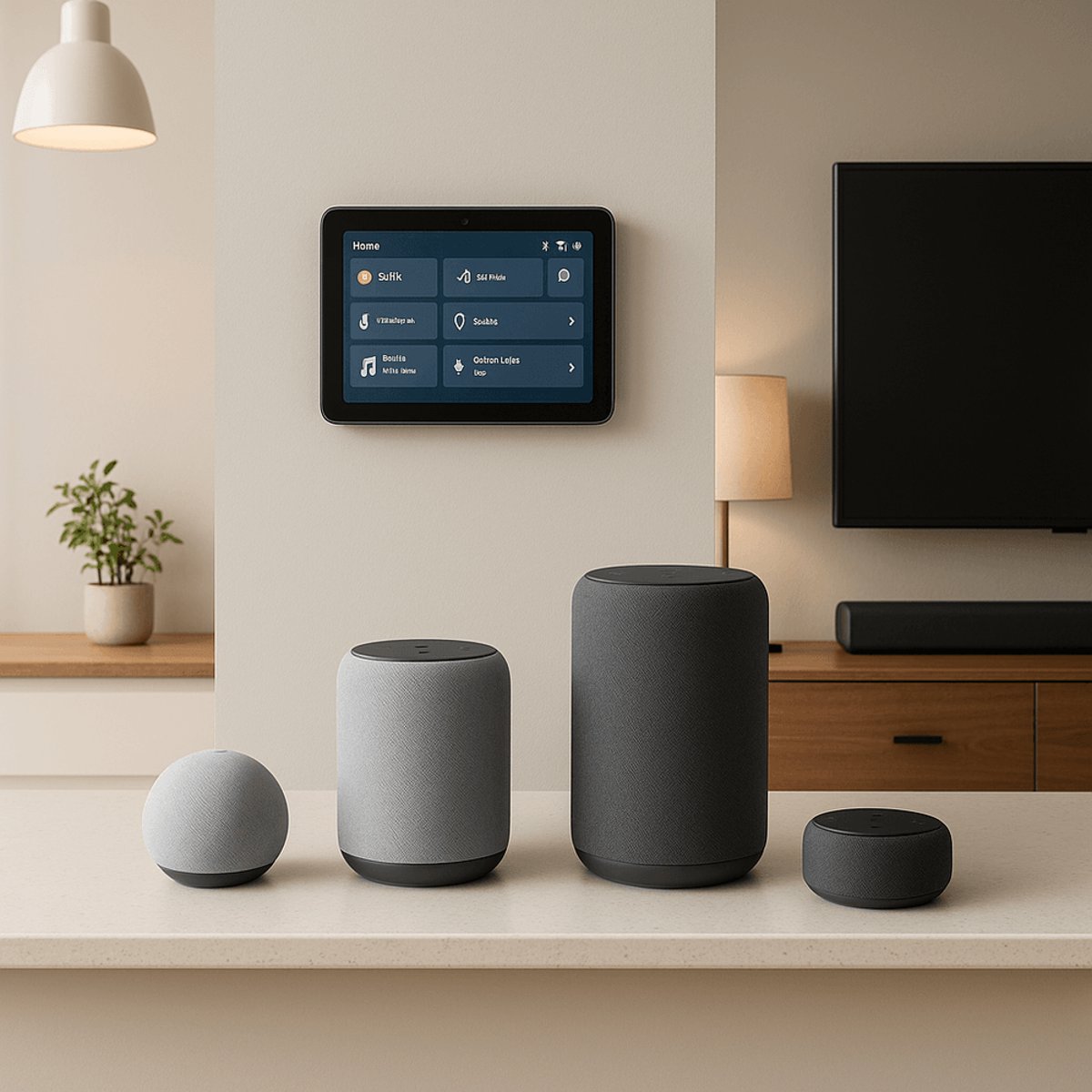
The standout pick isn't what you'd expect. Wired crowned the Amazon Echo Hub as their top recommendation for smart home control - a sleek, tablet-like device designed to be wall-mounted rather than placed on counters. "It's a great choice for anyone who wants something focused on smart home control only," reviewer Nena Farrell writes. At $180, the Hub strips away the speaker entirely, instead focusing on Zigbee and Matter integration.
But here's where it gets interesting: the timing of this review coincides with Amazon's rollout of Alexa+, a $20-per-month AI upgrade that fundamentally changes how these devices work. Starting March 28, 2025, all voice recordings - even from standard Alexa users - now get sent to Amazon's cloud servers. The company killed its "Do Not Send Voice Recordings" privacy feature to support the new AI capabilities.
The competitive pressure is real. Sonos claimed the compact soundbar crown with its Beam Gen 2, selling for $499 with deep discounts at major retailers. "The small, pill-shaped bar will seamlessly work with any other Sonos speakers you have," Wired notes, highlighting how third-party manufacturers are building ecosystems that rival Amazon's own.
Stock shortages tell another story. Amazon's Echo Studio, which Wired calls "our favorite Echo speaker for sound quality," has faced major availability issues. The $200 device "was only in stock for a few days of July," and Amazon wouldn't confirm when steady availability would return. Similar supply constraints hit the Echo Sub, now only available through third-party retailers like Best Buy.
The review reveals how fragmented the smart speaker market has become. Premium options like the Bang & Olufsen Beosound A1 at $250 integrate Alexa without requiring Amazon hardware. Meanwhile, budget picks like the Echo Pop at $40 offer basic functionality but compromise significantly on audio quality.
Amazon's display devices face their own challenges. The Echo Show lineup, ranging from the $90 Show 5 to the massive $400 Show 21, all suffer from what Wired calls "tons of default content" that makes devices "exhausting and annoying to be near." Users can disable up to 40 different content types, but ads persist unless switching to photo-only mode.
The Alexa+ rollout adds another layer of complexity. Currently in early access with a waiting list, the AI-powered assistant offers "more conversational voice" and can "answer all kinds of questions quickly and thoughtfully." But the $20 monthly fee represents a significant jump from the previously free service, even if it's included with Amazon Prime memberships.
For consumers making purchase decisions now, timing matters. Wired recommends waiting for major sale events like Black Friday or Amazon Prime Day, when cheaper speakers often see 50% discounts. The publication's testing methodology focused on real-world usage rather than lab measurements, evaluating everything from voice recognition accuracy to smart home integration reliability.
The 2025 Alexa speaker market is splitting into distinct categories - smart home controllers like the Echo Hub, premium audio devices from companies like Sonos, and budget options for basic voice features. With Alexa+ launching and supply chain constraints hitting Amazon's own hardware, consumers have more choices but also more complexity to navigate. The shift from free to subscription-based AI features signals that the era of simple, cheap smart speakers is evolving into a more sophisticated - and expensive - ecosystem.