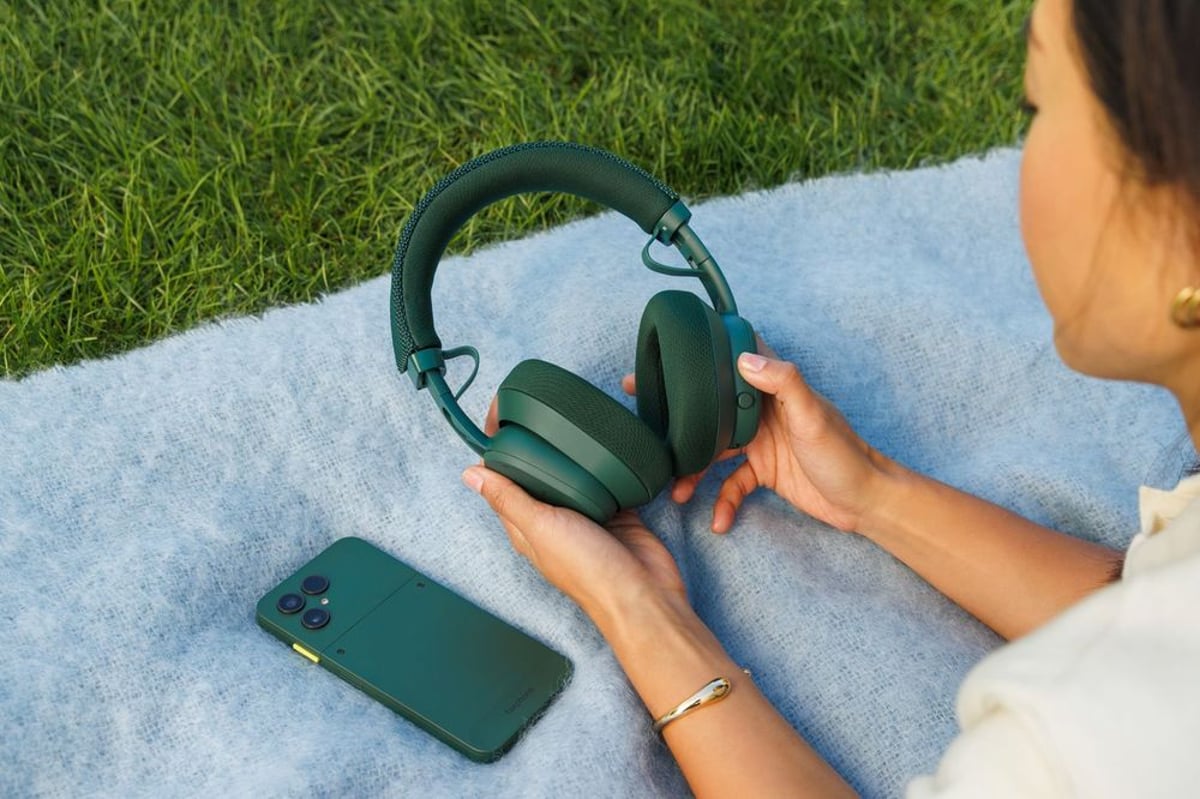
Fairphone just dropped the second generation of its modular Fairbuds XL headphones, but here's the twist - existing owners can upgrade their old pair with the new improved audio drivers instead of buying an entirely new set. The move showcases how modular design can actually deliver on sustainability promises in consumer electronics.
Fairphone is betting that consumers care more about upgrading than replacing. The Dutch company just launched its second-generation Fairbuds XL wireless headphones, and the most compelling feature isn't what's new - it's what you can swap out from the old model.
The updated headphones hit global markets today with improved 40mm dynamic drivers, breathable mesh fabric on the headband and ear cushions, and what Fairphone calls "refined audio tuning." But owners of the original Fairbuds XL, which launched over two years ago, don't need to shell out another $229 for the full package.
Instead, they can buy just the new driver units - €61.95 for the left ear, €39.95 for the right - and pop them into their existing headphones. It's a simple swap that takes minutes and delivers the core audio improvement without generating electronic waste.
"This is exactly what modular design should enable," says repair advocate and iFixit CEO Kyle Wiens, though he wasn't directly commenting on this launch. The concept mirrors Framework's laptop approach, where individual components can be upgraded independently.
The business model challenges conventional wisdom in consumer electronics, where companies typically push customers toward full replacements. Apple, Sony, and Bose all release iterative headphone updates every 2-3 years, expecting consumers to buy entirely new units.
Fairphone's approach faces practical hurdles. The component pricing means upgrading costs about 45% of buying new headphones outright. And the company admits it won't sell replacement drivers in the US until 2026, despite launching the original Fairbuds XL there just last month.
The timing reflects Fairphone's gradual US expansion. After years of Europe-only availability, the company started selling phones and accessories through Amazon and directly to US customers. But supply chain logistics for individual components remain complex.
Technically, the new Fairbuds XL stick with proven wireless standards - Bluetooth with AAC, SBC, and aptX HD support. Battery life remains capped at 30 hours without active noise cancellation. The modular design includes eight swappable components beyond the drivers, from batteries to ear cushions.
Fairphone faces skepticism about whether modularity actually reduces environmental impact if upgrade costs approach replacement prices. But early adopters of the original Fairbuds XL seem willing to test the theory.
The headphones launch globally through Fairphone's online store today, with US Amazon availability expected later this month. Component upgrades ship immediately in Europe, creating the first real-world test of backward-compatible consumer electronics beyond smartphones.
Fairphone's backward-compatible upgrade approach represents a genuine test of whether modularity can work in consumer electronics. If enough original Fairbuds XL owners choose component upgrades over full replacements, it could influence how other manufacturers think about product lifecycles. But the economics need to make sense for consumers - spending nearly half the cost of new headphones on drivers alone might not feel like the sustainable win Fairphone is positioning it as.