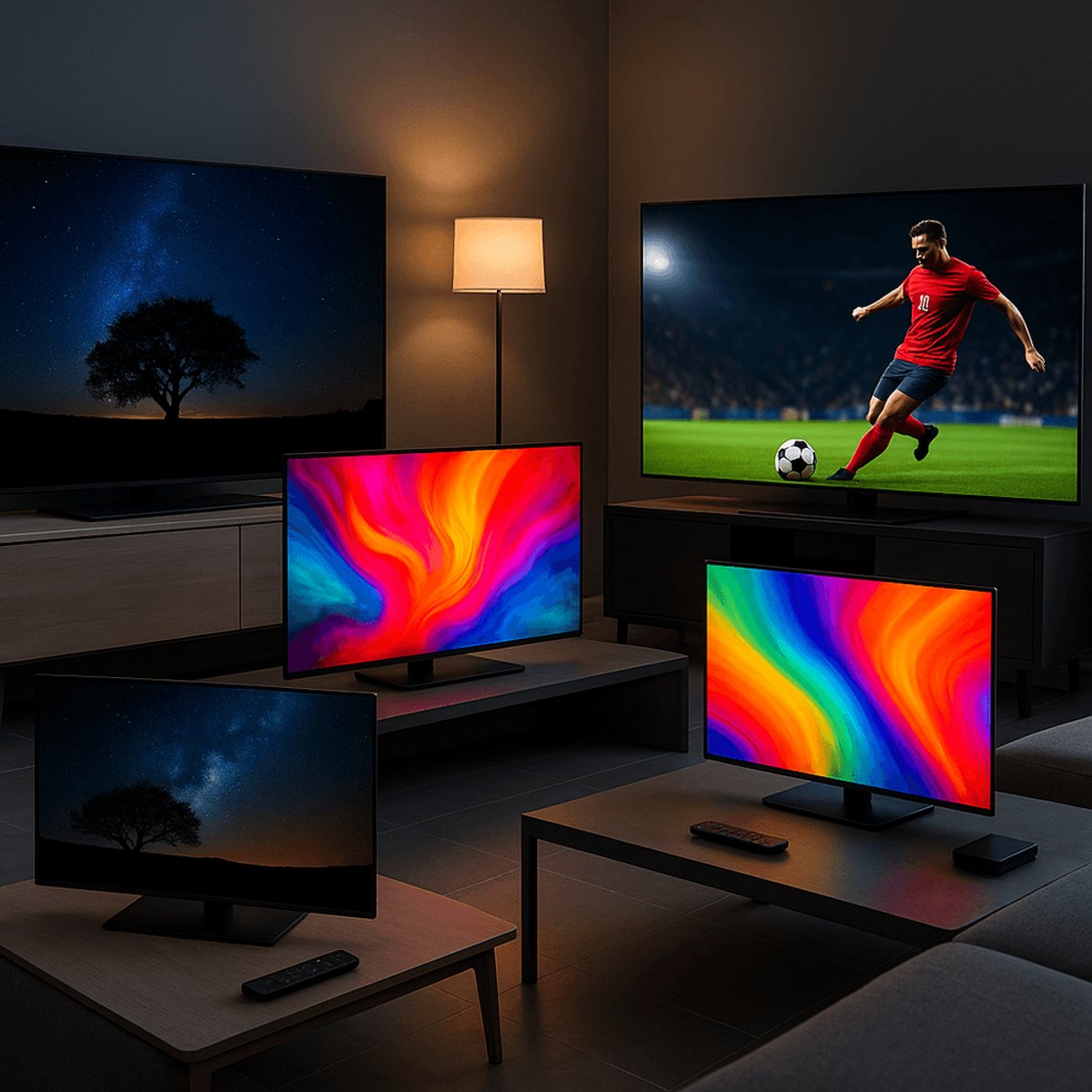
WIRED just dropped their definitive 2025 TV buying guide, and it reveals how dramatically the display landscape has shifted. The tech publication's latest roundup showcases everything from budget-friendly LEDs to premium OLED models, with Samsung, Sony, and LG leading the charge in picture quality innovation. What's most telling? The guide shows how OLED technology has finally hit mainstream pricing while 4K remains the sweet spot for most buyers.
The television market just got its annual report card, and the results show a tech landscape that's both more affordable and more impressive than ever. WIRED's comprehensive 2025 TV buying guide, penned by Ryan Waniata and Parker Hall, reveals how display technology has evolved to deliver premium experiences at nearly every price point.
Samsung continues to dominate the premium OLED space with its S95D QD-OLED, which the guide describes as a "fabulous" display that "would be adored in virtually any TV room." The company's matte-screen technology has solved one of OLED's biggest weaknesses - reflections - making these TVs viable in brighter rooms. But Samsung's Frame Pro stumbled badly, with reviewers noting "software issues" and "middling" picture performance that can't justify its premium price.
Sony maintains its reputation for picture processing excellence with the A95L earning a rare 9/10 rating from WIRED. The guide praises Sony's "fabulously immersive image quality" and notes how the company's 2025 Bravia 8 II builds on that foundation with "enhanced colors and higher HDR brightness." The Bravia 7 also impressed reviewers with "brilliant brightness" and "naturalistic colors," though poor off-axis viewing remains a concern.
LG holds steady in the OLED market with its B5 model, which WIRED calls "a prime example" of OLED's core strengths: "near-infinite contrast, flawless black levels, and stirringly natural colors." While not as bright as premium competitors, the B5 offers a "surprisingly full feature set" at a more accessible price point.
The real story might be in the middle tier, where Chinese manufacturers are pushing premium features down-market. TCL's QM7K represents this trend perfectly - offering "opulent black levels and contrast (that) reach toward OLED heights" for around $1,000. The guide notes some color accuracy issues that were fixed via firmware updates, highlighting how software now plays a crucial role in TV performance.
Hisense continues its aggressive pricing strategy with models like the U8QG, which delivers "eye-searing brightness" for around $1,000 in 65-inch sizes. According to the reviewers, it's paired with "excellent black levels" and "deep contrast," making it a compelling alternative to premium brands.
What's notably absent from the guide is any serious push toward 8K adoption. The focus remains squarely on 4K displays with enhanced HDR and better color reproduction. This suggests the industry has recognized that resolution alone isn't driving upgrade cycles - instead, it's about picture quality improvements within the 4K standard.
The gaming market continues to influence TV development, with the guide noting how models like the Hisense U7N offer "great gaming credentials." This reflects how console partnerships, particularly with PlayStation and Xbox, have become crucial for TV manufacturers targeting younger demographics.
Software performance has emerged as a major differentiator, with the guide specifically calling out sluggish interfaces and compatibility issues on several models. This puts pressure on manufacturers to invest as heavily in their smart TV platforms as they do in display panels.
Price competition remains fierce, with the guide noting how Sony is "discounting its best QLED TVs much more liberally than its OLED models." This suggests manufacturers are using aggressive pricing on LED models to defend market share while protecting margins on premium OLED displays.
WIRED's 2025 TV roundup reveals an industry in transition, where premium display technology has become surprisingly accessible while software and user experience increasingly matter as much as raw picture quality. The guide shows that whether you're spending $700 or $3,000, you're getting display capabilities that would have been considered flagship-level just a few years ago. For consumers, that means the biggest decision isn't about finding good picture quality - it's about choosing the right balance of features, price, and brand reliability for your specific needs.