TiVo just closed the book on 26 years of DVR manufacturing, officially ending one of consumer tech's most recognizable hardware eras. The company that made "TiVo-ing" a household verb has quietly removed every digital video recorder from its website and confirmed it's done making the boxes that once revolutionized how we watch TV.
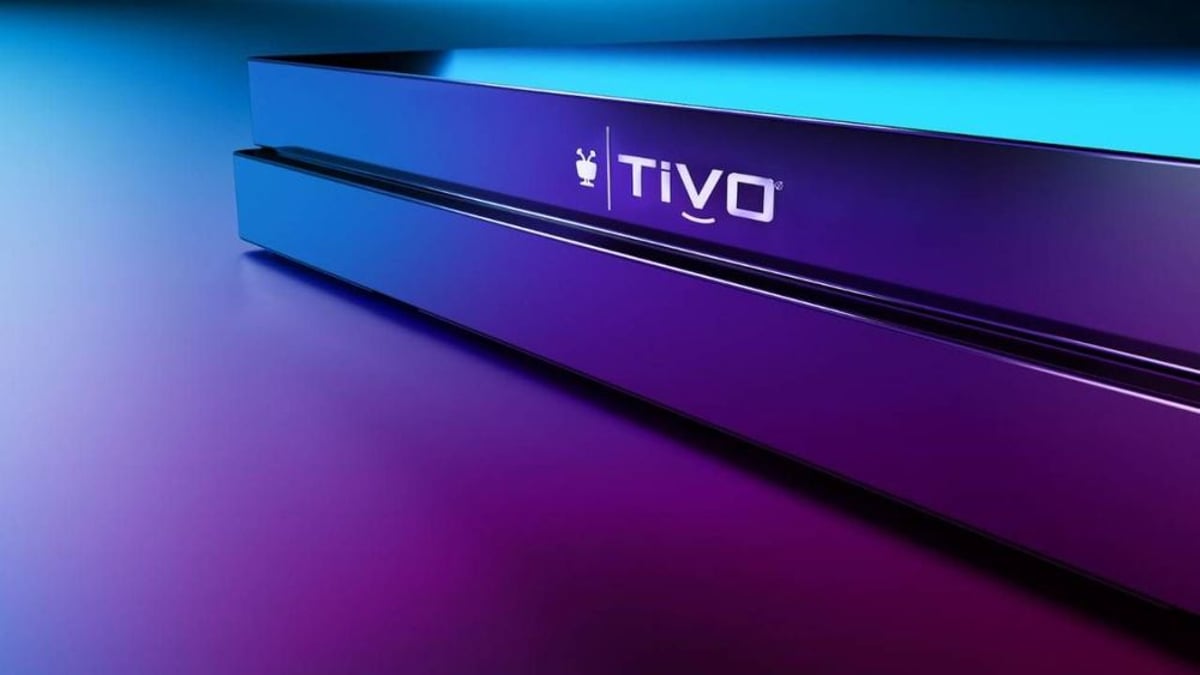
The era of the iconic TiVo box is officially over. After 26 years of making the digital video recorders that taught America to pause live TV, TiVo has quietly pulled the plug on its hardware business. Cord Cutters News first spotted that every DVR product had vanished from TiVo's website, prompting the company to confirm what many in the industry saw coming.
"As of September 30, 2025, TiVo stop selling EDGE DVR products, including hardware and accessories, both online and through agents," the company said in a statement to Cord Cutters. "TiVo, and its partners, no longer manufacture TiVo DVR hardware, and our remaining inventory is now depleted."
The writing was on the wall for years. TiVo's last hardware release was the TiVo Edge back in 2019 - a lifetime ago in tech terms. That same period saw the company struggle to find its footing as Netflix, Disney+, and other streaming giants made on-demand viewing the default. Why record shows when you can stream them whenever you want?
TiVo's path from hardware pioneer to software provider started taking shape after its 2020 merger with Xperi, a move that signaled the company's pivot away from the living room boxes that made it famous. The merger created a $3 billion entity focused on licensing technology rather than selling physical products to consumers.
The decline wasn't sudden - it was death by a thousand streaming cuts. Cable companies started building cloud-based recording directly into their set-top boxes, eliminating the need for a separate TiVo device. Comcast and Verizon rolled out their own DVR solutions with unlimited cloud storage, making TiVo's hardware approach look increasingly antiquated.
Streaming's takeover accelerated during the pandemic as viewers discovered they could binge entire series without waiting for weekly episodes or dealing with commercials. The TiVo that once saved us from appointment television became a relic in an on-demand world.
But TiVo isn't disappearing entirely - it's just moving behind the scenes. The company has reinvented itself as a software provider for smart TVs and even vehicle infotainment systems. TiVo's user interface and recommendation engine now power TVs from brands like Sharp and entertainment systems in BMW vehicles.
"We will continue to support our now obsolete hardware products going forward," TiVo told Variety, reassuring the remaining DVR holdouts that their boxes won't immediately become paperweights.
The shift reflects a broader industry transformation where hardware companies are becoming software and services businesses. Apple makes more money from the App Store than iPhone sales in some quarters. Microsoft pivoted from Windows licensing to cloud services. TiVo is following the same playbook, just with less fanfare.
For the millions of Americans who grew up fast-forwarding through commercials thanks to TiVo, this represents the end of a cultural touchstone. The yellow "thumbs up" button became as recognizable as any tech logo, and "TiVo-ing" entered the dictionary as a verb meaning to record television programs.
Industry analysts aren't surprised by the move. "The standalone DVR market has been shrinking for years," one media tech expert noted. "TiVo was smart to transition to licensing before the bottom completely fell out."
What's remarkable is how completely streaming has reshaped our viewing habits. The idea of scheduling your life around TV broadcasts - the very problem TiVo solved in 1999 - feels almost quaint now. We don't need to record anything when everything's available instantly.
TiVo's exit from hardware manufacturing marks the definitive end of the DVR era and streaming's complete victory over traditional TV viewing. While the company continues as a software licensor, the disappearance of those familiar black boxes represents a cultural shift as significant as the transition from VHS to DVD. For a generation that grew up with TiVo remotes, this feels like losing a piece of tech history - even if we haven't used a DVR in years.