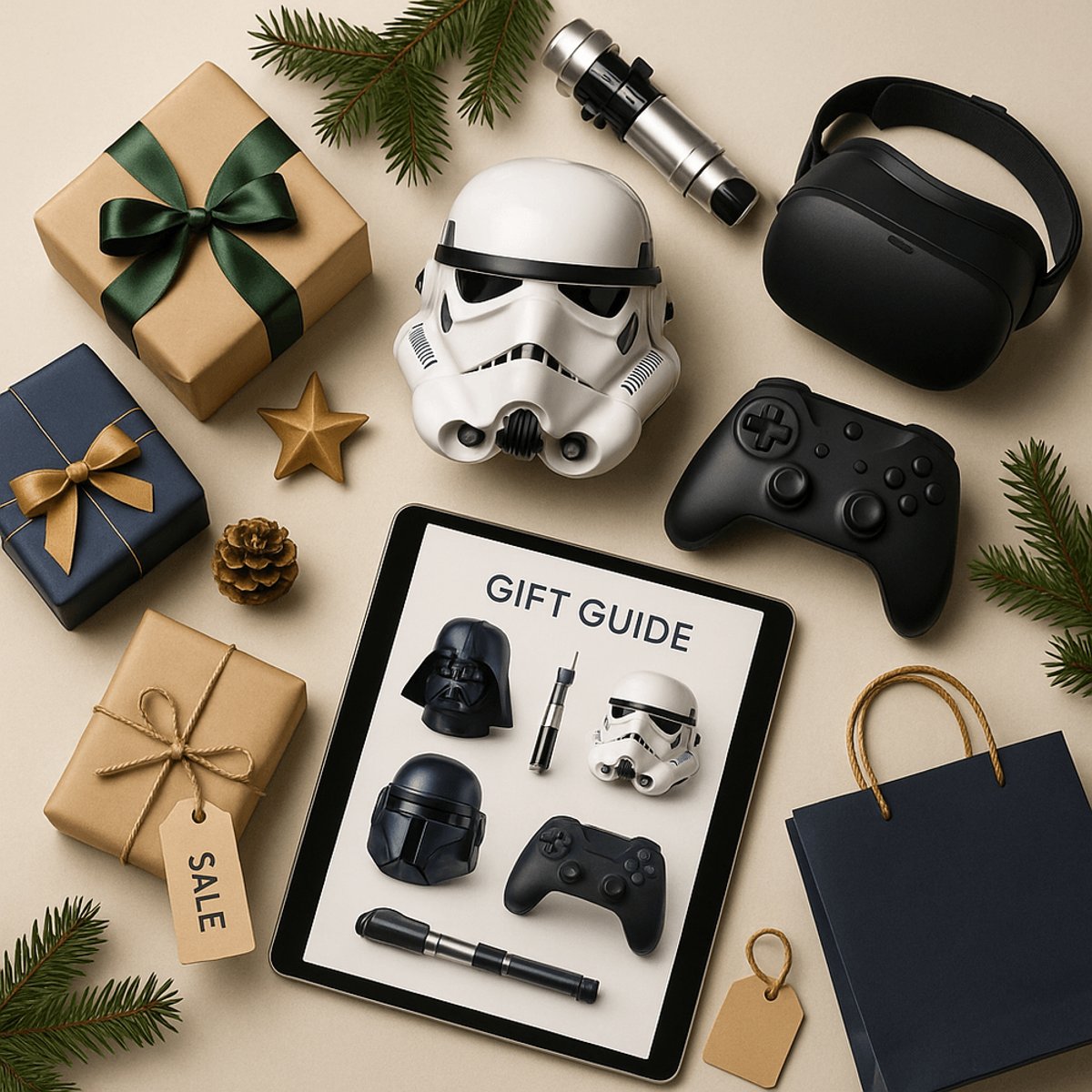
WIRED just dropped its definitive Star Wars gift guide for 2025, featuring 27 carefully curated products ranging from a $130 remote-controlled festive droid to a $325 Darksaber replica. Senior writer Simon Hill draws on decades of fandom and hands-on testing to recommend everything from budget keychains to premium collectibles, targeting both casual fans and serious collectors ahead of the holiday shopping season.
The force is strong with gift-givers this holiday season. WIRED just published its most comprehensive Star Wars gift guide yet, showcasing 27 products that span from stocking stuffers to centerpiece collectibles. The timing couldn't be better - with the franchise experiencing renewed momentum through Disney+ series and upcoming films, demand for Star Wars merchandise continues climbing.
Disney leads the charge with its R2-H15 Interactive Remote Control Holiday Droid, priced at $130. The festive version of the beloved astromech droid sports Christmas colors and a Santa hat while maintaining authentic R2-D2 sounds and movements. According to Hill's hands-on testing, the droid whistles Christmas tunes and spins its head, though stability issues on uneven floors present some challenges.
The collectibles market shows particular strength in Hasbro's Black Series line. The Boba Fett helmet, retailing for $165 on Amazon, strikes what Hill calls "the right balance between quality and price." These replicas satisfy serious collectors while remaining more accessible than high-end movie props that can cost thousands.
For serious enthusiasts, Padawan Outpost offers combat-grade lightsaber replicas starting at $471. The Vader E6 model features color-changing capabilities, extensive sound effects, and smartphone app connectivity. WIRED readers can secure a 5% discount using code WIRED5, highlighting how publishers increasingly negotiate exclusive deals with niche manufacturers.
The gaming segment reveals interesting crossover potential. Lego's Star Wars: The Skywalker Saga game earned particular praise for its co-op functionality and balanced approach between parody and reverence. At current pricing between $12-60 depending on platform and sales, it represents one of the guide's strongest value propositions.
Tech integration appears throughout the recommendations. Disney's Darth Vader lightsaber water bottle combines practical hydration with sound effects and LED lighting. Meanwhile, VR enthusiasts can experience Vader Immortal across multiple platforms, with pricing ranging from $10-30 depending on the store.
The guide's premium tier includes Basic Fun's Arcade Classics Atari Star Wars cabinet at $600. This full-sized arcade machine bundles three classic games and original yoke controls, though assembly requirements and build quality concerns temper Hill's otherwise positive assessment.
Collectibles market trends emerge through specific product choices. Funko Pop's continued dominance shows in multiple recommendations, while Hallmark's ornament collection demonstrates how traditional retailers adapt licensed properties for seasonal markets.
The guide's most expensive single item - Hasbro's Darksaber Force FX Elite at $325 - reflects how premium collectibles command serious money. Hill's personal anecdote about receiving this from his "equally Star Wars-obsessed brother" illustrates the gift-giving culture surrounding high-end merchandise.
International pricing disparities appear throughout, with UK prices typically running 15-25% higher than US equivalents after currency conversion. This highlights ongoing challenges for global e-commerce in licensed merchandise categories.
Streaming integration gets significant attention through Disney+ subscription recommendations at $12 monthly. Hill positions this as the "streaming home of everything Star Wars," emphasizing content breadth from original trilogy through recent series like The Mandalorian and Andor.
The inclusion of Star Wars Celebration tickets - despite $200+ pricing and scheduling uncertainties - demonstrates how experience gifts increasingly compete with physical merchandise. Hill's mixed review of the 2023 London event ("poorly organized, overcrowded, and overpriced") provides honest context while acknowledging fan community value.
Retail partnerships emerge as a key theme. Amazon dominates product availability, while specialty retailers like Padawan Outpost serve niche markets. Target and Walmart provide accessible pricing for mainstream items.
The guide's technical depth - from smartphone app connectivity in lightsabers to compatibility details for VR games - reflects WIRED's hardware expertise applied to entertainment merchandise. This approach differentiates their coverage from typical holiday gift roundups.
WIRED's Star Wars gift guide reflects both the franchise's enduring commercial appeal and the sophistication of modern licensed merchandise. From interactive droids to VR experiences, the recommendations showcase how traditional toys increasingly incorporate advanced technology. With Disney+ driving content consumption and premium collectibles commanding hundreds of dollars, the Star Wars merchandise ecosystem demonstrates remarkable resilience decades after the original trilogy. For retailers and manufacturers, Hill's guide provides valuable insight into what resonates with contemporary fans across multiple price segments.