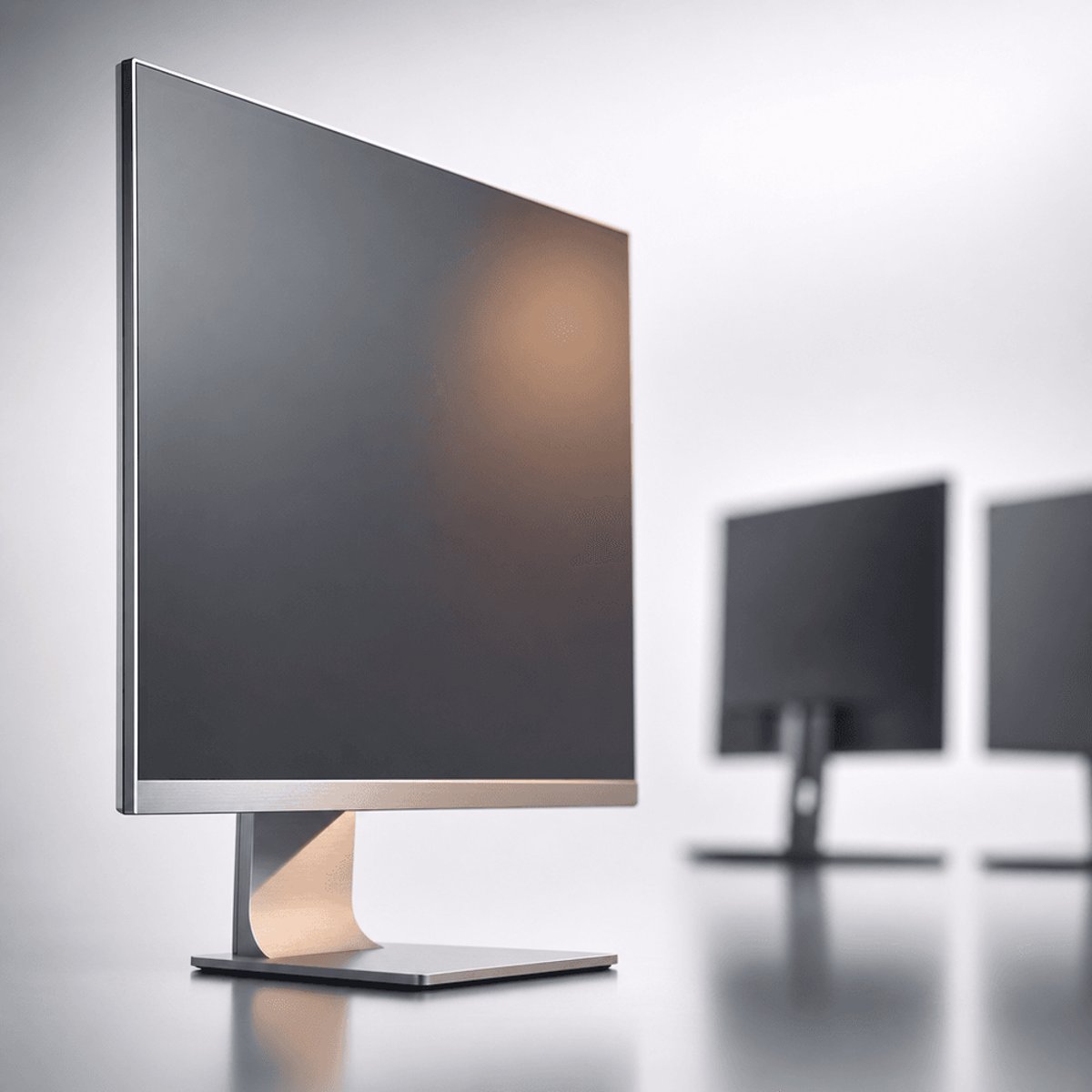
Apple's Studio Display dominated the 5K monitor landscape for years, but the $1,599 display now faces serious competition from BenQ and Asus, who launched their own 27-inch 5K monitors in late 2024. According to a new hands-on review from The Verge, the Studio Display's aging display technology is holding it back despite its premium build quality and seamless ecosystem integration. The timing couldn't be worse for Apple as the 5K monitor market finally heats up after more than a decade of near-monopoly conditions.
For more than a decade, Apple essentially owned the 5K monitor category by default. If you wanted a 27-inch 5K display, your choices were limited: buy a 27-inch iMac from 2014 primarily for its gorgeous 5K screen, or pick up LG's 5K UltraFine, which was solid but uninspiring. The market was so thin that when Apple released the Studio Display in 2022 for $1,599, it felt like vindication for everyone who'd been asking for a standalone 5K monitor.
The Studio Display was essentially the iMac's display panel spun out as a separate product, complete with a built-in webcam and speakers. Apple even pulled the LG UltraFine from its store shortly after launch, cementing its position as the go-to option for Mac users who wanted pixel-perfect clarity. For two years, that strategy worked.
But the landscape shifted dramatically in late 2024 when companies like BenQ and Asus finally entered the 27-inch 5K arena with their own offerings. According to reviewer John Higgins at The Verge, this new competition exposes a critical weakness in Apple's offering: the display technology itself hasn't evolved since it debuted in that 2014 iMac.
"The Studio Display looks great next to a MacBook, but its aging display technology holds it back," Higgins writes in his analysis. While the review doesn't detail specific technical shortcomings in the available excerpt, the implication is clear - Apple's reliance on 12-year-old panel technology is becoming a liability as competitors arrive with modern specs.
This puts Apple in an uncomfortable position. The Studio Display still wins on industrial design and build quality, areas where the company typically excels. Its aluminum enclosure, premium glass, and seamless integration with macOS create an experience that's hard to match. But when you're asking customers to spend $1,599 on a monitor, the actual display panel needs to justify that premium.
The competitive dynamics are particularly interesting given Apple's historical approach to displays. The company has never been first to adopt new display technologies, preferring to wait until they can implement them at scale with consistent quality. That strategy worked when Apple was the only game in town for 5K displays. But now that BenQ and Asus are offering alternatives, customers have options - and comparisons become inevitable.
For professional users who've invested heavily in the Apple ecosystem, the calculus remains complex. The Studio Display's built-in features like Center Stage camera tracking and spatial audio from its six-speaker system provide utility that goes beyond pure panel specs. And for Mac users, the plug-and-play nature of a first-party display eliminates the driver issues and compatibility quirks that can plague third-party monitors.
But the emergence of legitimate 5K alternatives from established display manufacturers signals that Apple's comfortable monopoly is ending. If BenQ and Asus can deliver superior panel technology at competitive prices, Apple faces pressure to either update the Studio Display's internals or adjust pricing to reflect its aging specs. Neither option is particularly appealing from a margin perspective.
The timing also raises questions about Apple's product roadmap. The Studio Display launched in March 2022 alongside the Mac Studio desktop, positioning it as the ideal companion for Apple Silicon workflows. But in the four years since, there's been no refresh or spec bump, even as display technology has advanced significantly. That suggests either Apple sees the current offering as sufficient for its target market, or a refresh is imminent.
For now, the Studio Display remains the most polished 5K option for Mac users who prioritize ecosystem integration and build quality. But as Higgins' review suggests, "could have been so much more" might become an increasingly common refrain as competitors demonstrate what modern 5K panels can deliver.
Apple's Studio Display faces an identity crisis as the 5K monitor market finally matures. The premium build quality and ecosystem integration that justified its $1,599 price tag during its two-year monopoly now compete against newer panel technology from BenQ and Asus. For Mac users weighing their options, the choice increasingly comes down to whether seamless Apple integration outweighs cutting-edge display specs - a trade-off that gets harder to justify as the gap widens. The ball's in Apple's court for a refresh, and the longer they wait, the more compelling those alternatives become.