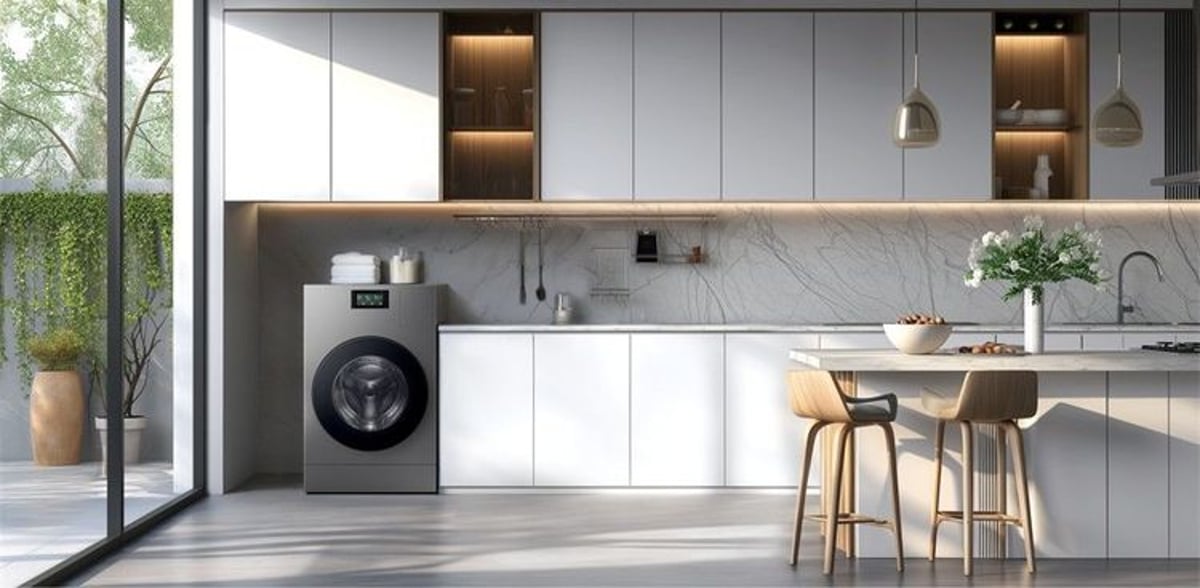
Samsung just took a major step toward making energy-smart home appliances a reality across Europe. The company signed the European Union's Code of Conduct for Energy Smart Appliances, committing to cross-brand interoperability standards that could reshape how connected devices talk to power grids. The move puts Samsung's SmartThings-enabled washers, dishwashers, and combo units at the forefront of Europe's push to help households cut electricity costs during peak hours - without forcing consumers into a single-brand ecosystem.
Samsung is betting that the future of smart homes isn't about walled gardens - it's about working together. The company's decision to adopt the European Union's Code of Conduct for Energy Smart Appliances marks a notable shift in how major manufacturers approach connected devices, particularly when it comes to energy management.
The timing couldn't be more strategic. As European households grapple with volatile energy costs and governments push aggressive climate targets, the ability to automatically shift appliance usage to off-peak hours represents real savings. But until now, that capability has been fragmented across proprietary platforms that don't talk to each other - or to the grid.
"Samsung believes connected appliances can play a meaningful role in the energy transition by helping households use energy more intelligently, without adding complexity to everyday life," Hyesoon Yang, Executive Vice President for Samsung's Digital Appliances New Biz Team, said in a statement. "By joining this EU initiative, we aim to help make energy-smart functionality more accessible to consumers."
Developed by the European Commission's Joint Research Centre and its Directorate-General for Energy, the Code of Conduct establishes common protocols that allow appliances from different brands to communicate energy-related data - even when they're using different technical standards under the hood. The framework covers major white goods and HVAC systems, creating a standardized language for devices to report consumption, accept scheduling commands, and optimize around grid conditions.
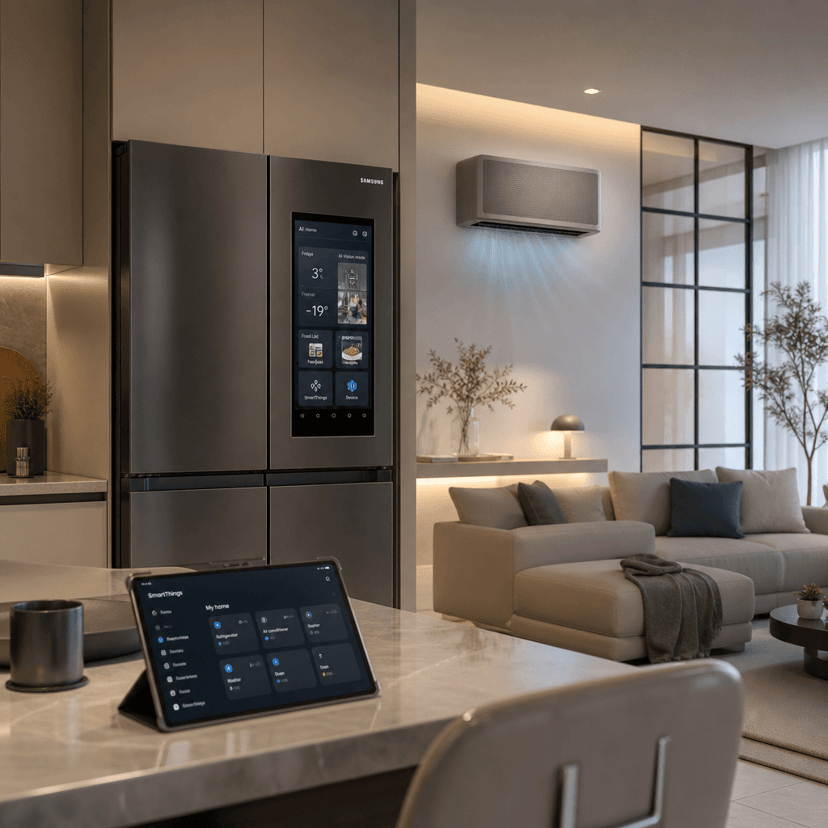
What makes this more than regulatory theater is that Samsung has already started registering compliant products. The company's latest combo units, washers, and dishwashers meeting CoC requirements are now listed in the European Product Registry for Energy Labelling (EPREL) as Energy Smart Appliances. These models integrate with Samsung's SmartThings Energy platform, which offers an Optimal Scheduling feature that shifts appliance operation to off-peak hours based on local electricity pricing.
The feature works through the SmartThings app on Android and iOS, where users can set peak-time preferences and let the system notify them when cheaper electricity windows open up. For appliances without screens, an LED indicator shows the scheduling status. It's available in European markets where dynamic pricing is active, though benefits vary depending on individual electricity providers and tariff structures.
This approach differs from the typical smart home playbook. Instead of locking users into a single ecosystem, the EU code ensures that a Samsung washer could theoretically coordinate with a Bosch dryer and an LG heat pump - all talking to the same energy management service. That interoperability is central to the EU's broader vision of Demand Side Flexibility, where millions of small loads shift in response to grid signals, reducing strain during peak hours and making renewable energy integration smoother.
For Samsung, the move also hedges against regulatory risk. The EU has shown increasing willingness to mandate interoperability standards - from USB-C charging to cross-platform messaging - and getting ahead of potential requirements positions the company as a cooperative player rather than a resistant incumbent. It also aligns with the bloc's energy efficiency labeling reforms, which increasingly factor smart capabilities into product ratings.
The bigger test will be adoption. Consumers have historically been slow to embrace energy management features, often because the setup is complicated or the savings feel abstract. Samsung's challenge is making SmartThings Energy simple enough that users actually enable it - and trust it to run their appliances overnight without ruining a load of laundry.
Competitors are watching closely. While Samsung is among the first major manufacturers to publicly commit to the CoC, the framework is designed to be industry-wide. If it gains traction, expect other appliance makers to follow, particularly as EU energy labels start highlighting ESA capabilities and consumers begin asking for them at retail.
Samsung says it plans to "gradually expand" its CoC-compliant product lineup, suggesting this is a long-term play rather than a one-off regulatory checkbox. The company hasn't specified which categories come next, but the EU code covers everything from refrigerators to air conditioners, leaving plenty of room for expansion.
What's less clear is whether this model will travel beyond Europe. The U.S. smart home market remains heavily siloed, and while initiatives like Matter aim for interoperability, energy management hasn't been the focus. Europe's combination of high energy costs, regulatory pressure, and consumer demand for sustainability creates unique conditions that may not replicate elsewhere - at least not yet.
Samsung's embrace of the EU's Energy Smart Appliance code signals a pragmatic shift in the smart home wars - one where playing nice with competitors and regulators might matter more than ecosystem lock-in. If the company can make SmartThings Energy as seamless as it promises, and if other manufacturers actually join the initiative at scale, European consumers could end up with something rare in tech: meaningful interoperability that saves them money. The question is whether the rest of the industry - and the rest of the world - will follow Europe's lead, or if this remains a regional experiment in regulatory-driven innovation.