Yamaha just released the YH-L500A wireless headphones, and they're making a bold bet that comfort trumps convenience. At $229.95, these bare-bones cans ditch active noise cancellation, wear sensors, and even a travel case - but they might just be the most comfortable over-ear headphones you can buy. The question is whether audiophiles will accept the trade-offs in an increasingly crowded premium headphone market.
Yamaha has always walked a different path in the wireless headphone space. While the company's home hi-fi gear earns universal praise, their headphone division keeps making puzzling choices that leave reviewers scratching their heads. The new YH-L500A are the latest example of this pattern - and perhaps the most extreme.
At $229.95, these headphones deliberately strip away everything modern consumers expect. No active noise cancellation. No transparency mode. No wear sensors that pause your music. Not even a basic travel case. "You won't even get a travel case or protective pouch, yet Yamaha still asks $229.95 - which doesn't exactly scream budget or entry-level," writes WIRED's Simon Cohen in his hands-on review.
It's a fascinating gamble in a market where Sony's WH-1000XM5 and Bose QuietComfort headphones pack every conceivable smart feature. Yamaha is essentially betting that pure comfort and audio quality can win over consumers who've grown accustomed to digital conveniences.
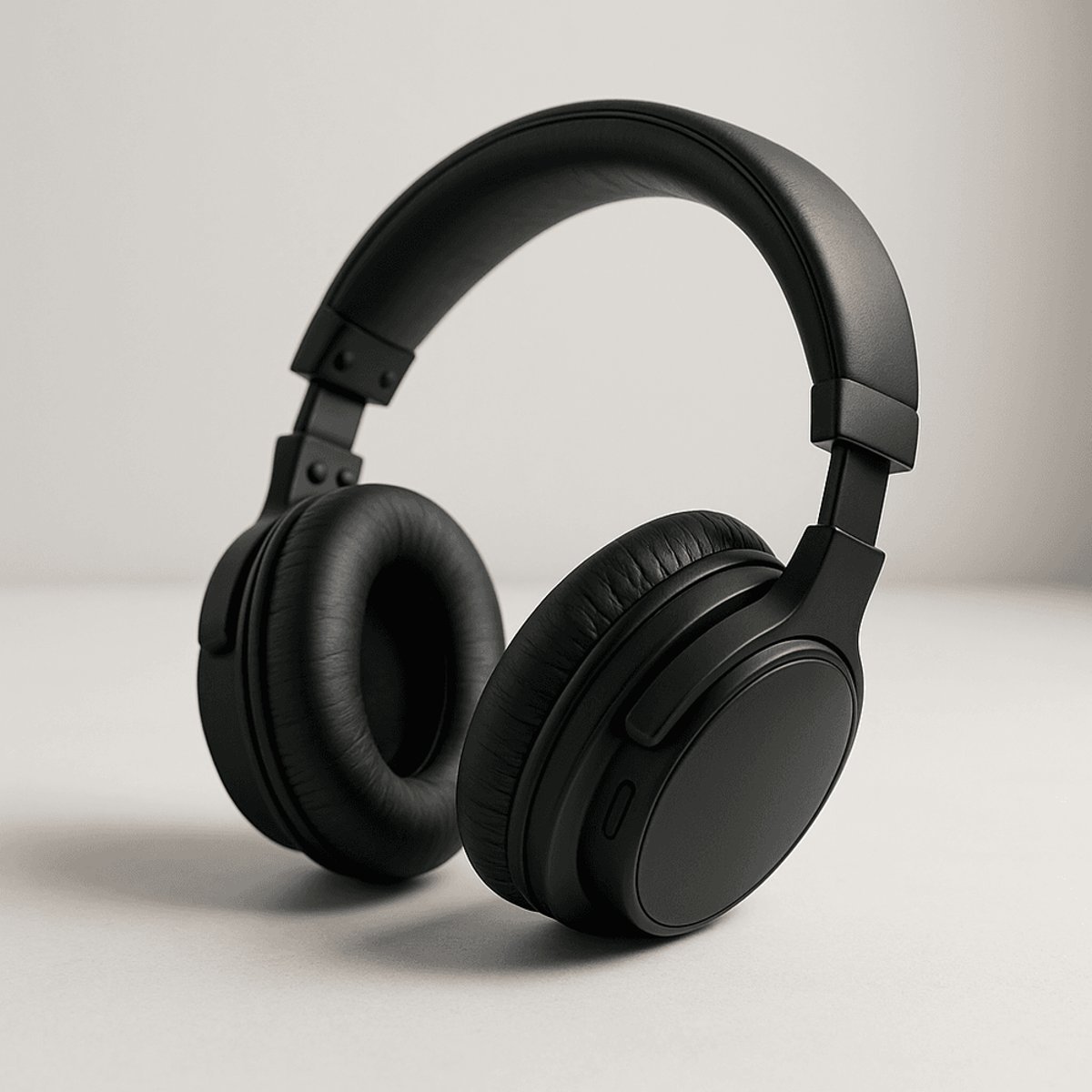
The comfort story is compelling. At just 9.3 ounces, the YH-L500A rank among the lightest over-ear wireless headphones available. That's remarkable considering their large, generously padded ear cups that create what Cohen describes as an exceptionally comfortable fit. "As long as you're listening in a reasonably quiet environment, these are some of the most comfortable headphones you can buy," he notes in the WIRED review.
The design philosophy screams studio monitor rather than consumer gadget. Matte black finish, exposed wires, squarish ear cups - everything about the YH-L500A suggests serious listening over lifestyle appeal. But Yamaha hasn't completely abandoned modern connectivity. The headphones support Google Fast Pair, Bluetooth Multipoint, and Qualcomm's high-quality aptX Adaptive codec.
Where things get interesting is Yamaha's signature Sound Field technology. Two dedicated modes - Cinema and Music - promise to recreate immersive real-world experiences through digital signal processing. Given Yamaha's pioneering work in DSP, this could be where the company differentiates itself from the pack.
But the timing feels risky. The premium headphone market has evolved rapidly around active noise cancellation and smart features. Apple's AirPods Max, Sony's flagship models, and Bose's latest offerings all pack sophisticated ANC alongside premium audio quality. Consumers increasingly expect both.
Yamaha's approach mirrors what we've seen from some high-end audio brands that prioritize pure sound reproduction over digital bells and whistles. But at $230, the YH-L500A sit in an awkward middle ground - too expensive to be entry-level, too feature-light to compete with premium offerings.
The real test will be whether Yamaha's bet on comfort and sound quality can overcome the feature gap. Early reviews suggest the company has nailed the comfort equation, but questions remain about whether that's enough to justify the price point in today's competitive landscape.
Yamaha's YH-L500A represent a fascinating counter-trend in the premium headphone space. While competitors race to pack more smart features into their devices, Yamaha is doubling down on the fundamentals - comfort and sound quality. The $230 price point puts these headphones in a challenging position, competing against feature-rich alternatives from Sony, Bose, and Apple. Success will depend entirely on whether audiophiles value pure listening comfort over the digital conveniences that have become standard in this price range. For users who prioritize all-day wearing comfort in quiet environments, the YH-L500A might hit the sweet spot. Everyone else will likely find better value elsewhere.