Samsung just broke its word to consumers. The company's rolling out ads to Family Hub refrigerators across the US through a software update, directly contradicting its April promise to The Verge that it had "no plans" for fridge advertising. The move marks Samsung's boldest push yet in monetizing its "screens everywhere" strategy.
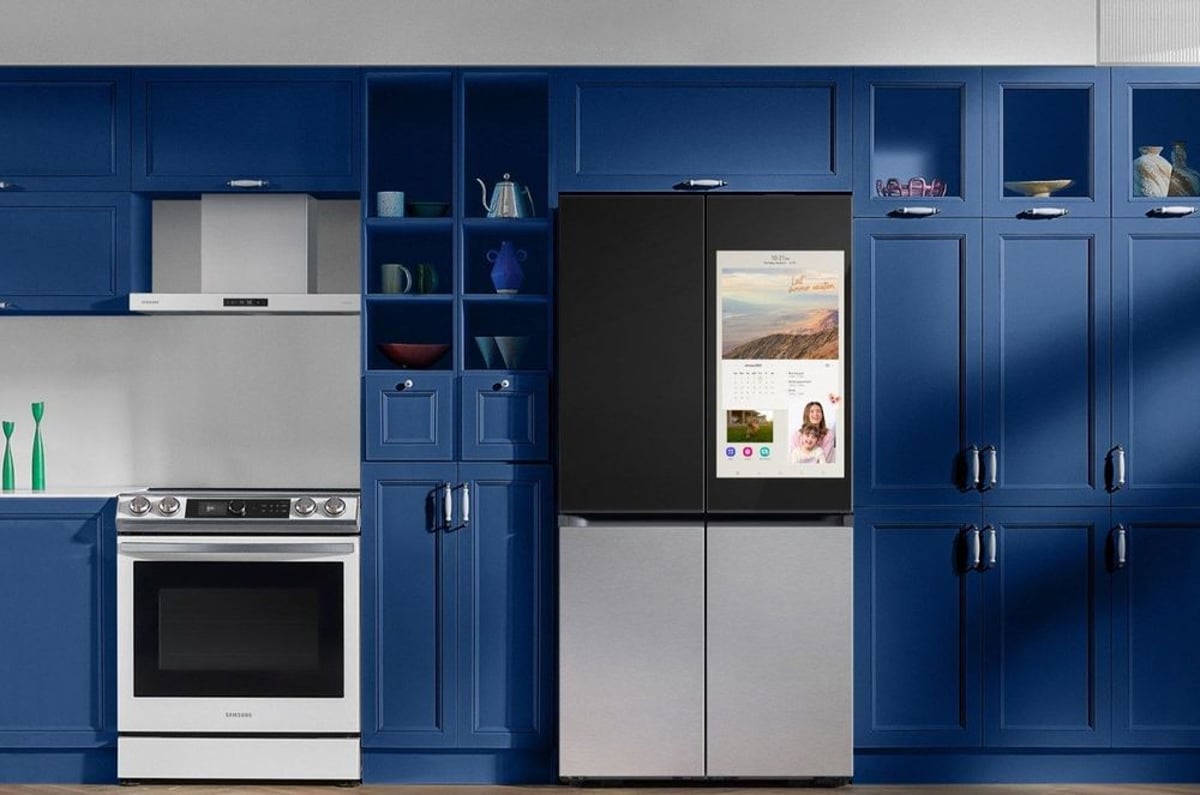
Samsung just turned your kitchen into its latest advertising real estate. The company's quietly pushing ads to Family Hub refrigerators across the US through an over-the-air software update that owners are receiving right now. This marks a complete reversal from Samsung's April stance when executives told The Verge the company had "no plans" to bring advertising to its smart fridges.
The backlash came swift and fierce. Reddit users discovered the change first, sparking waves of criticism from consumers who'd paid premium prices for these appliances. Samsung's trying to spin this as value-added service, but affected customers aren't buying it.
"Samsung is committed to innovation and enhancing every day value for our home appliance customers," the company told Android Authority in a statement that somehow manages to be both corporate and tone-deaf. "As part of our ongoing efforts to strengthen that value, we are conducting a pilot program to offer promotions and curated advertisements on certain Samsung Family Hub refrigerator models in the U.S. market."
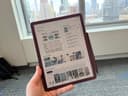
[embedded image: Samsung Family Hub refrigerator with screen display]
But here's what Samsung's really doing - it's testing whether consumers will tolerate ads on appliances they already paid thousands for. The advertising appears on Cover Screens when the fridge display goes idle, though Samsung says ads won't show during Art Mode or when displaying photo albums. Users can dismiss individual ads, but there's no opt-out for the entire advertising system.
This isn't Samsung's first rodeo with controversial advertising. The company started injecting ads into smart TV interfaces back in 2016, pioneering what became an industry-wide practice. Now it's applying that same playbook to kitchen appliances under its "screens everywhere" initiative.
The timing's particularly galling for Samsung customers who specifically chose the brand believing it wouldn't follow competitors into aggressive advertising territory. Family Hub fridges cost anywhere from $3,000 to $5,000, making the addition of ads feel like a bait-and-switch to many owners.
Samsung's update includes new Terms of Service and Privacy Notice agreements that users must accept to continue using their fridges' smart features. The company's being careful to frame this as enhancing value rather than extracting additional revenue from existing customers, but the optics are terrible.
Industry analysts see this as Samsung testing the waters before potentially expanding ads across its entire smart appliance ecosystem. If consumers don't revolt strongly enough, expect similar advertising to appear on Samsung washing machines, ovens, and other connected appliances.
[video iframe: Samsung Family Hub demonstration showing screen capabilities]
What makes this particularly frustrating is Samsung's previous messaging. When pressed about advertising plans during our April interview, Samsung executives were explicit about having no such plans. That makes this feel less like product evolution and more like deliberate misdirection.
For Samsung, this represents a new revenue stream that doesn't require selling additional hardware. Smart appliances generate ongoing data about user behavior, shopping patterns, and household routines - incredibly valuable intel for advertisers. The company's betting that most consumers will grumble but ultimately accept ads as the new normal.
The pilot program affects Family Hub models nationwide, with Samsung promising ads can be dismissed but not disabled entirely. The company hasn't indicated whether this will expand internationally or become permanent, calling it an ongoing "pilot" for now.
Samsung's fridge ad rollout signals a troubling shift where premium appliance buyers can't escape advertising even in their own kitchens. The company's broken promise to consumers reveals how quickly corporate positions can change when new revenue opportunities emerge. For Samsung owners, this pilot program is likely just the beginning - expect similar ads across the company's entire smart home ecosystem if consumers don't push back hard enough.