Adobe just dropped Firefly Image 5, bringing native 4-megapixel generation and the ability for creators to build custom AI models from their own artwork. The platform expansion includes layer-based editing, audio generation, and deeper third-party integrations as Adobe races to dominate the AI creative tools market against rivals like Canva.
Adobe is making its boldest move yet in the AI creative wars. The company's new Firefly Image 5 model doesn't just generate better images - it lets artists clone their own style into custom AI generators, fundamentally changing how creators might work with artificial intelligence. The launch comes as design platforms battle for dominance in the exploding generative AI market.
The technical leap is substantial. Where Firefly's previous generation could only natively produce 1-megapixel images before upscaling to 4MP, the new model generates at full 4-megapixel resolution from the start. Adobe says this delivers sharper details and better human rendering - addressing one of the most common complaints about AI-generated imagery.
But the real game-changer is the custom model feature, currently in closed beta. Creators can drag and drop their own artwork - illustrations, sketches, photographs - and Firefly will learn their unique style. "We're thinking of the target audience for Firefly as what we call creators or next-generation creative professionals," Alexandru Costin, Adobe's VP of generative AI, told TechCrunch. "There are these emergent creatives that are GenAI-oriented. They love to use GenAI in all their workloads."
The timing isn't coincidental. Canva has been aggressively adding AI features to its platform, while OpenAI, Google, and other tech giants push deeper into creative tools. Adobe's response is to double down on what it knows best - giving professional creators sophisticated control over their output.
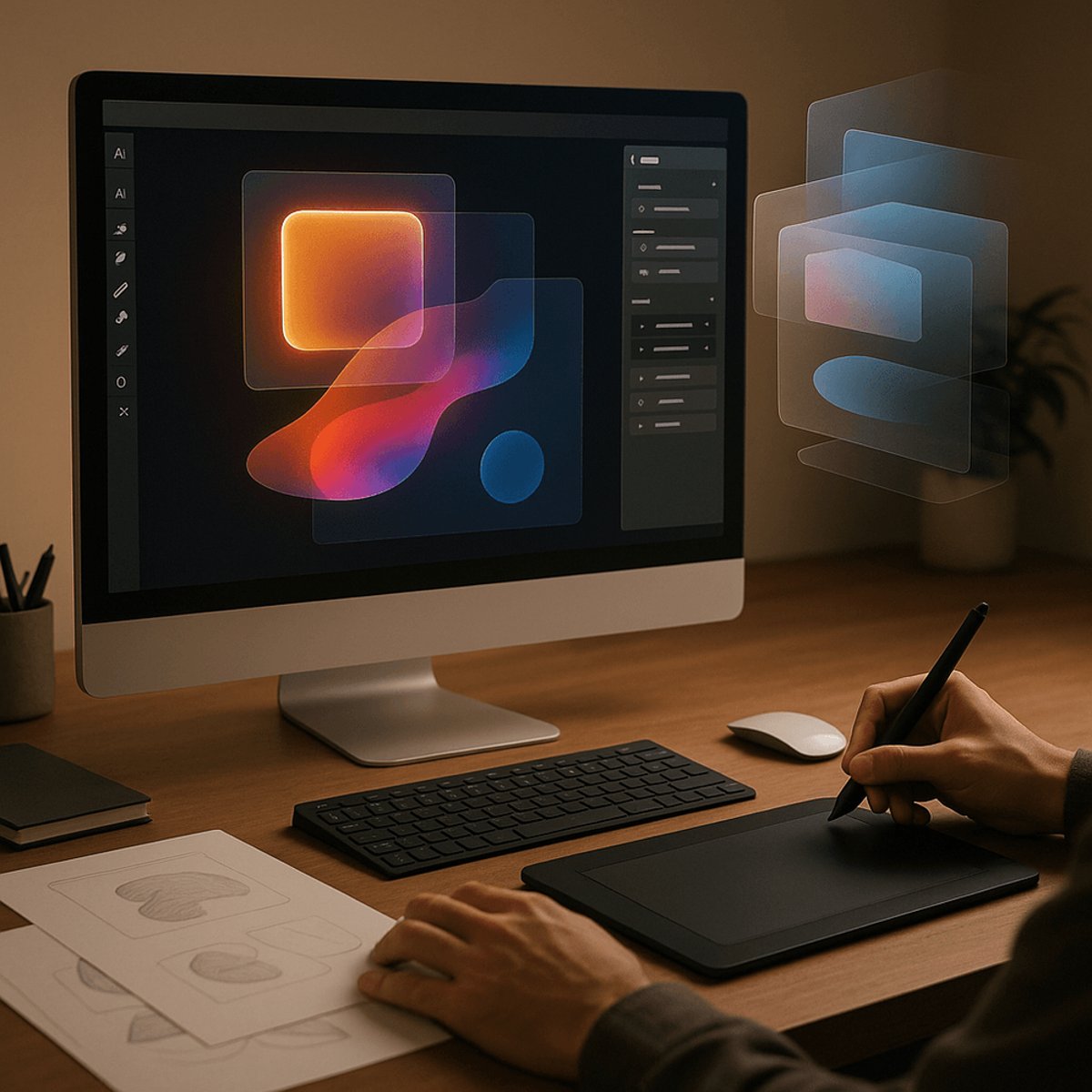
Firefly Image 5 introduces layer-based editing that treats different objects as separate, manipulable elements. Users can resize, rotate, or modify specific parts of an image through prompts while maintaining overall image integrity. It's the kind of precise control that distinguishes professional tools from consumer apps.
The platform expansion goes beyond images. Adobe is adding audio generation capabilities through a partnership with ElevenLabs, letting users create both soundtracks and speech for videos using AI prompts. There's also a redesigned video editor with timeline-based editing currently in private beta.
Adobe has redesigned the Firefly website to accommodate this expanded scope. The interface now supports quick switching between image and video generation, model selection, and aspect ratio changes from a unified prompt box. The homepage displays user files and generation history, with shortcuts to other Adobe apps previously buried in menus.
The third-party integration strategy reveals Adobe's broader positioning. Rather than building every AI capability in-house, Firefly supports models from OpenAI, Google, Runway, Topaz, and others. It's a platform play - Adobe wants to be where creators go to access the best AI tools, regardless of who builds them.
Costin highlighted an important advantage: "With Firefly, the company now has more freedom to add new features and play around with the interface as it doesn't have to adhere to the muscle memory of creative professionals who might be used to certain workflows in Adobe's existing Creative Cloud tools."
This flexibility matters as the creative software landscape shifts rapidly. Traditional desktop applications are giving way to web-based platforms that can iterate quickly and integrate multiple AI models. Adobe's Creative Cloud remains dominant among established professionals, but newer creators often start with more accessible tools.
The custom model feature could be Adobe's strongest differentiator. While anyone can use Midjourney or DALL-E, the ability to train AI on your specific artistic style creates a moat around individual creators' work. It also addresses concerns about AI replacing artists by making them partners in the training process.
Market dynamics are shifting quickly. Adobe's stock has been volatile as investors weigh AI opportunities against disruption risks. The company needs to prove it can maintain relevance as barriers to entry in creative software continue falling. Custom models and professional-grade controls might be the answer, but execution will determine whether Adobe stays ahead of the pack.
Adobe's Firefly Image 5 represents more than an incremental upgrade - it's a strategic repositioning for the AI-driven creative economy. By enabling custom model creation and maintaining professional-grade controls, Adobe is betting that creators want to enhance rather than replace their artistic vision with AI. The success of this approach will largely determine whether Adobe maintains its creative software dominance or becomes another casualty of the AI revolution. For creators, the stakes are equally high: those who master these tools early may find themselves with sustainable competitive advantages in an increasingly AI-saturated market.