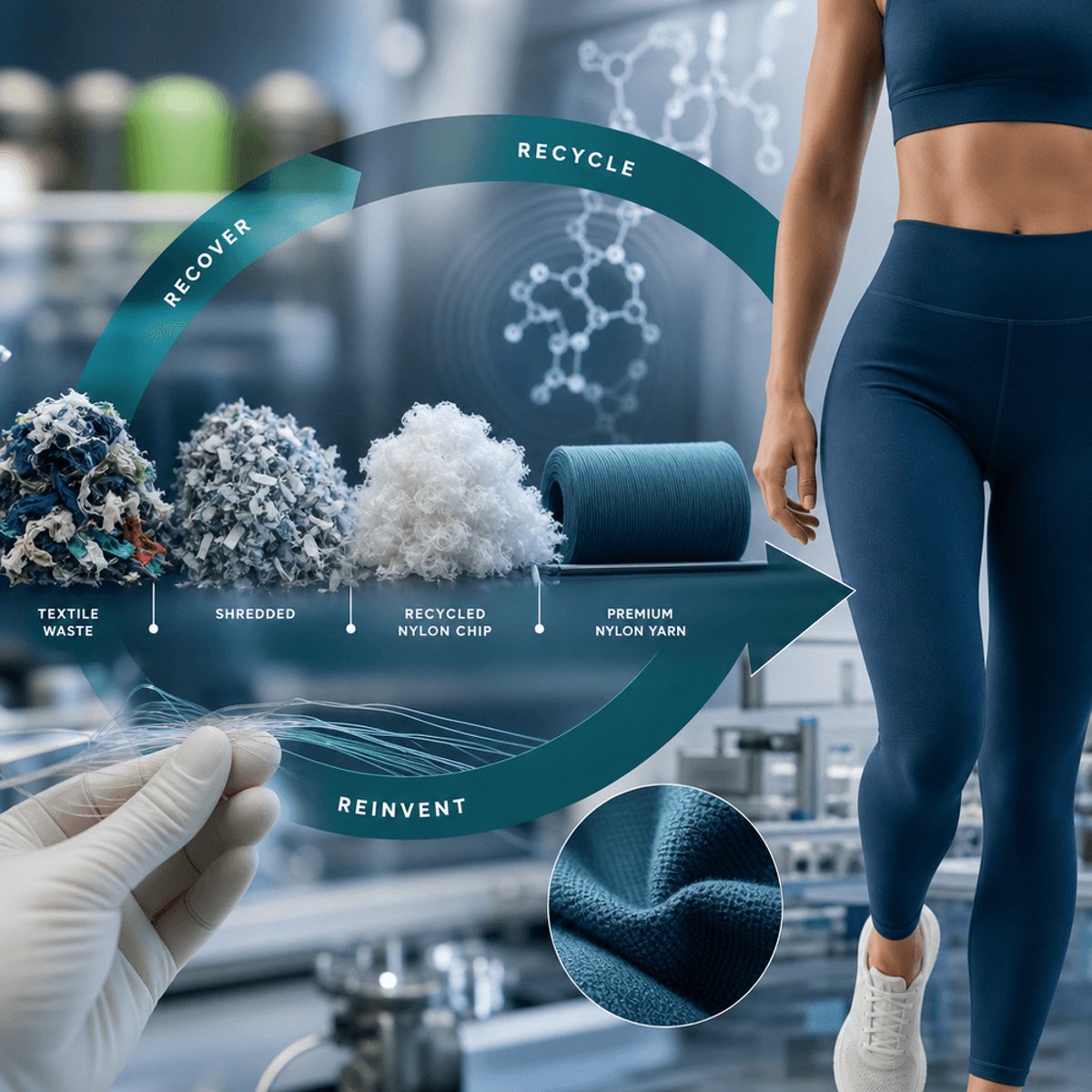
Syntetica, a French climate tech startup pioneering a breakthrough approach to nylon recycling, just closed a $30 million Series A round with athletic apparel giant Lululemon among its backers. The funding marks a significant bet on circular economy solutions for the textile industry, which produces an estimated 92 million tons of waste annually. For Lululemon, known for its nylon-heavy leggings and activewear, the investment represents both a strategic supply chain play and a hedge against rising sustainability pressures facing fashion brands.
Syntetica is betting it can solve one of fashion's most persistent problems - what to do with millions of tons of nylon waste that currently end up in landfills or incinerators. The Lyon-based startup just secured $30 million in Series A funding to scale its proprietary recycling process, with Lululemon stepping in as a strategic investor alongside traditional venture capital firms.
The deal represents more than just another climate tech funding round. It's a signal that major apparel brands are moving beyond vague sustainability pledges to actual financial commitments in circular economy infrastructure. For Lululemon, which built its empire on technical fabrics and nylon-blend leggings, securing access to recycled nylon isn't just good PR - it's becoming a business imperative.
"We've seen the writing on the wall for years," one industry insider familiar with the deal told TechCrunch. "Brands can't just keep making commitments about recycled content without actually investing in the technology to make it happen."
Nylon recycling has proven particularly tricky compared to materials like polyester or cotton. The polymer chains that make nylon durable and stretchy also make it difficult to break down and reconstitute without significant quality loss. Most "recycled" nylon on the market today comes from pre-consumer waste - factory scraps that never made it to customers - rather than the post-consumer leggings and jackets piling up in closets and landfills.
Syntetica claims its approach can handle post-consumer textile waste at scale while maintaining fiber quality comparable to virgin nylon. The company hasn't disclosed specific technical details about its process, but sources suggest it involves a chemical recycling method that breaks nylon down to its molecular building blocks before reconstituting it. This contrasts with mechanical recycling, which typically degrades fiber quality with each cycle.
The textile industry produces roughly 92 million tons of waste annually according to industry estimates, with synthetic fibers like nylon and polyester comprising a growing share as fast fashion accelerates. European regulations are tightening, with the EU's proposed Ecodesign for Sustainable Products Regulation expected to mandate minimum recycled content in textiles by 2030. France, Syntetica's home market, has been particularly aggressive in pushing circular economy mandates.
Lululemon's involvement goes beyond pure financial investment. Strategic investors typically negotiate offtake agreements or supply partnerships as part of their terms, giving them priority access to the technology they're backing. For Syntetica, landing a major brand as both investor and potential customer provides crucial validation and a clear path to revenue beyond venture funding.
The athletic apparel giant has committed to using 75% sustainable materials across its products by 2030, but has struggled with the nylon side of that equation. While recycled polyester has become relatively common in activewear, recycled nylon that meets performance standards for high-stretch leggings remains scarce and expensive.
Syntetica's Series A comes as European climate tech continues to attract significant capital despite broader venture slowdowns. French startups in particular have benefited from government support programs like the €30 billion France 2030 investment plan, which prioritizes green technology and industrial decarbonization. The country has emerged as a hub for circular economy innovation, with startups tackling everything from plastic waste to battery recycling.
But the path from lab-scale recycling to commercial production remains treacherous. Previous well-funded textile recycling startups have stumbled on the economics of collection, sorting, and processing at the volumes needed to compete with virgin materials. Syntetica will need to prove it can achieve both the quality standards major brands require and the unit economics that make recycled nylon cost-competitive.
The company plans to use its Series A funding to build out its first commercial-scale facility and expand partnerships beyond Lululemon to other major apparel brands. With textile waste regulations tightening globally and consumer pressure mounting, the startup is entering the market at a moment when brands are actively seeking solutions rather than just talking about them.
What happens next will test whether the circular economy can move from pilot projects to industrial reality. Syntetica has the capital, the technology claims, and now a major brand partner. The question is whether that's enough to rewire the textile supply chain before regulatory deadlines and landfills force the industry's hand.
Syntetica's $30 million round with Lululemon backing represents a crucial test for circular economy economics in fashion. The French startup has secured not just capital but a major brand partner facing real deadlines to hit recycled content targets. But turning lab-scale nylon recycling into a business that can compete with virgin materials on both quality and cost remains the billion-dollar question. With European regulations tightening and textile waste mounting, the next 18 months will reveal whether corporate venture dollars can actually rewire supply chains or if sustainability commitments will continue to outpace infrastructure reality. For apparel brands watching from the sidelines, Syntetica's commercial facility buildout will be the proof of concept the entire industry is waiting for.