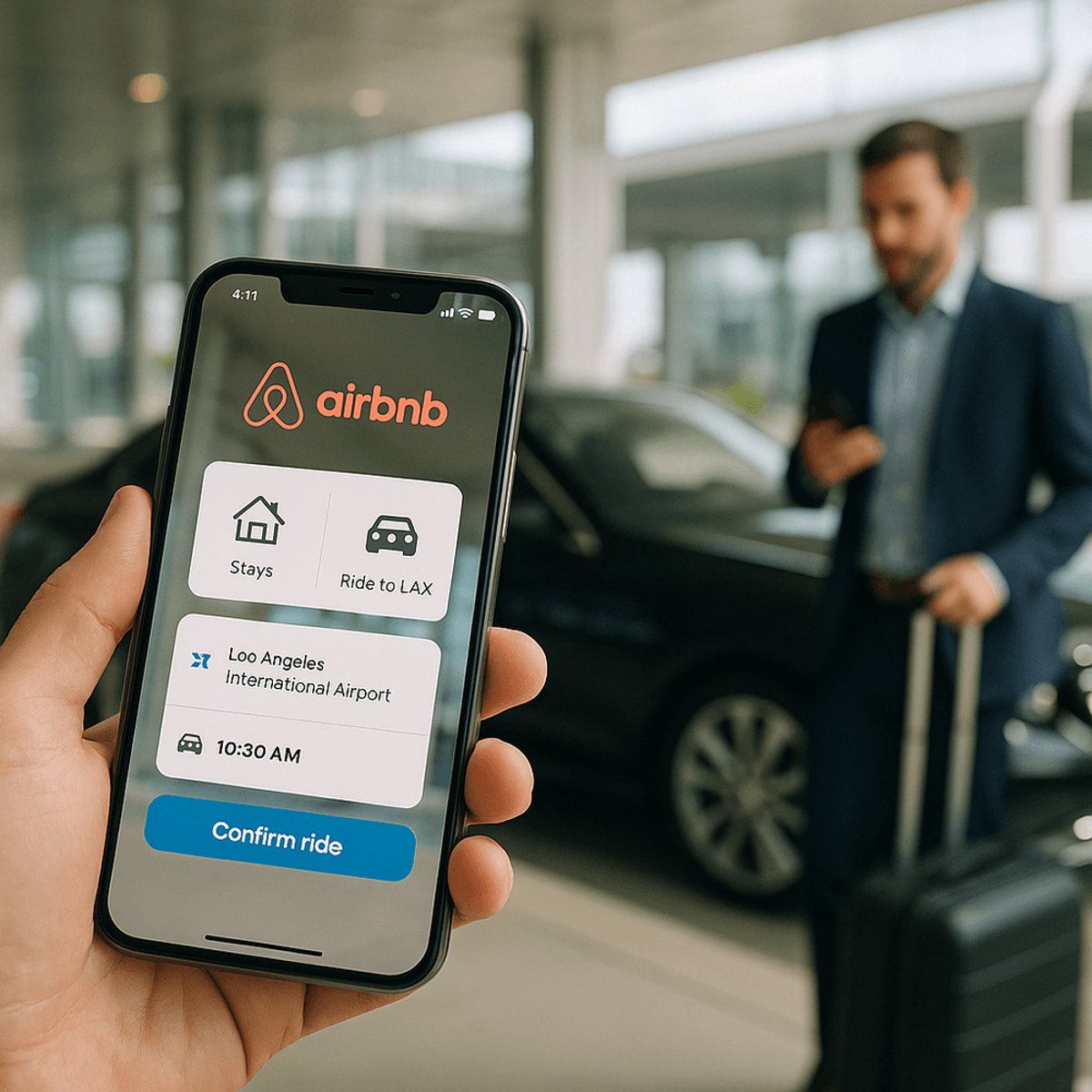
Airbnb is expanding beyond accommodations with a new transportation play. The company's teaming up with Welcome Pickups to let users book private car services directly through the Airbnb platform, marking another step in its push to become a full-service travel platform. The move puts Airbnb in direct competition with Uber and traditional ride-hailing services for the lucrative airport transfer market.
Airbnb just made a quiet but strategic move into ground transportation. The home-sharing giant is partnering with Welcome Pickups, a private car service provider, to let users book rides directly through the Airbnb app during their trips.
The integration means travelers can now handle both their accommodation and transportation needs without leaving Airbnb's ecosystem. It's a calculated play to capture more of the travel spending pie - and keep users from jumping to Uber, Lyft, or local taxi apps once they've booked their stay.
Welcome Pickups operates in over 170 airports worldwide, focusing on the premium end of ground transportation with English-speaking drivers and fixed pricing. That positioning aligns well with Airbnb's push upmarket in recent years, moving beyond budget accommodations to capture higher-spending travelers.
The timing is telling. Travel platforms are in an arms race to own the entire customer journey. Booking.com has been expanding into experiences and car rentals. Expedia already bundles flights, hotels, and ground transportation. Airbnb's been notably absent from the transportation layer - until now.
This partnership follows Airbnb's broader strategy of becoming a one-stop travel shop without the capital-intensive burden of operating these services directly. The company's been testing similar integrations with experiences, restaurant reservations, and local activities. Each partnership adds another reason for users to stay within Airbnb's app rather than coordinating their trips across multiple platforms.
The financial upside is significant. Airport transfers represent a high-margin, high-frequency transaction that Airbnb can monetize through referral fees or revenue sharing. With millions of guests booking stays annually, even a small percentage converting to car bookings could generate meaningful revenue.
But there are risks. Adding transportation means taking on new customer service headaches when rides run late or don't show up. Airbnb will need to ensure Welcome Pickups can deliver consistently across its global network, or risk damaging its core brand.
The competitive landscape just got more interesting, too. Uber has been pushing into vacation rentals through partnerships, while Airbnb now encroaches on Uber's turf. The lines between accommodation platforms and transportation networks are blurring fast.
For travelers, the benefit is convenience - one less app to download, one less payment method to enter. For Airbnb, it's about data, retention, and revenue diversification. The company gets visibility into the entire trip, not just the nights stayed, which feeds its recommendation algorithms and creates more opportunities to upsell.
What's not clear yet is how prominent this option will be in the booking flow and whether Airbnb will eventually expand to multiple transportation providers or stick with Welcome Pickups exclusively. The devil's in those details.
Airbnb's Welcome Pickups partnership is less about revolutionizing transportation and more about strategic platform expansion. By bundling rides with rooms, Airbnb chips away at the fragmented travel booking experience while creating new revenue streams and defending against competitors doing the same. The real test will be execution - whether the integration feels seamless enough to change traveler behavior or just adds another buried option in an already crowded app. For now, it's a smart hedge in the platform wars, but the transportation battle is just getting started.