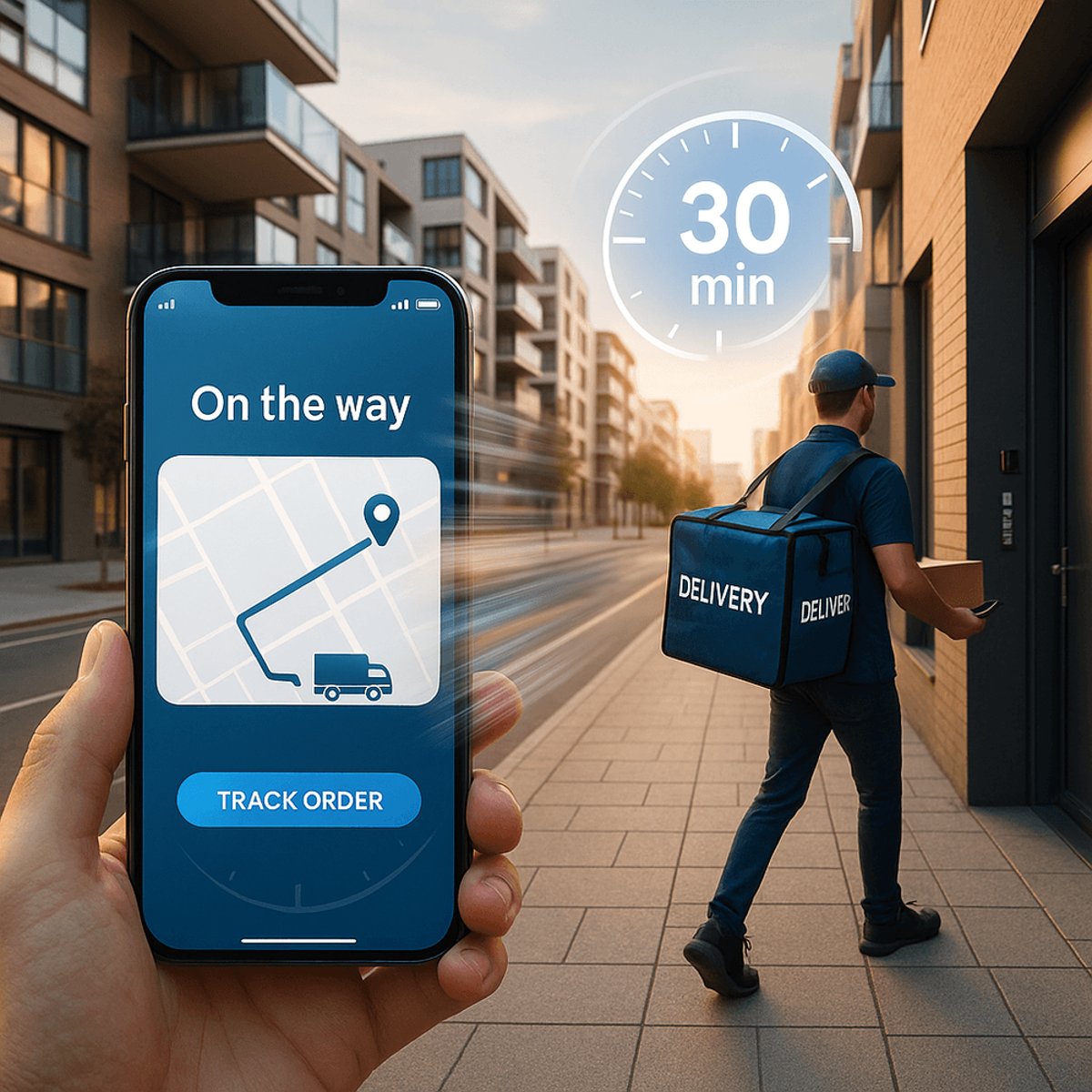
Amazon just cranked up the delivery speed wars with a new 30-minute service hitting Seattle and Philadelphia. The e-commerce giant is testing Amazon Now, which promises thousands of household essentials and groceries delivered in half an hour or less. This marks Amazon's most aggressive push yet into ultra-fast logistics, directly challenging quick-commerce startups like Gopuff and Instacart's priority delivery options.
Amazon is making its biggest bet yet on ultra-fast delivery, rolling out 30-minute service in select areas of Seattle and Philadelphia. The new Amazon Now offering represents a significant escalation in the delivery speed wars that have been reshaping retail logistics across major cities.
The service launches with an aggressive pricing strategy that heavily favors Prime subscribers. Prime members pay just $3.99 per delivery compared to $13.99 for regular customers, though orders under $15 trigger an additional $1.99 basket fee. This pricing undercuts many quick-commerce competitors who typically charge $5-7 for similar timeframes.
What sets Amazon Now apart is its product range. While services like Gopuff focus primarily on convenience store items, Amazon's offering spans thousands of products including fresh groceries, household essentials, electronics, and over-the-counter medications. Customers can order everything from milk and eggs to cosmetics and seasonal items through the existing Amazon app and website.
The technical infrastructure behind this speed relies on what Amazon calls "specialized smaller facilities" strategically positioned near dense residential and commercial areas. These micro-fulfillment centers represent a departure from Amazon's traditional large warehouse model, prioritizing proximity over scale to achieve the 30-minute promise.
This launch puts Amazon in direct competition with the quick-commerce sector that's been gaining momentum since the pandemic. Companies like Gopuff, which raised $1.15 billion in 2021, have built their entire business around 30-minute deliveries. Instacart has also been pushing priority delivery options, while startups like Fridge No More and Buyk have attempted similar ultra-fast models with mixed results.
The timing is strategic. Amazon's entry comes as several quick-commerce players have struggled with profitability. Buyk shut down operations earlier this year, while others have scaled back expansion plans. Amazon's existing logistics network and Prime membership base could provide the financial cushion needed to make ultra-fast delivery sustainable.
For Seattle and Philadelphia customers, the service appears integrated into Amazon's existing ecosystem rather than a standalone app. Users can access Amazon Now through a "30-Minute Delivery" option in the navigation bar, with order tracking and driver tipping features included.
The geographic rollout is notably limited compared to Amazon's typical launch strategy. Rather than a broad multi-city deployment, the company is testing in specific neighborhoods within these two metro areas. This suggests Amazon is still validating the economics of ultra-fast delivery before committing to wider expansion.
Industry analysts see this as Amazon testing whether its scale advantages can overcome the unit economics that have challenged smaller quick-commerce players. The company's ability to leverage existing Prime relationships and cross-sell opportunities could prove decisive in a sector where customer acquisition costs have been prohibitively high.
The move also signals Amazon's recognition that delivery speed has become a key competitive differentiator in urban markets. While the company pioneered one-day and same-day delivery, the rise of 15-30 minute services has created a new expectation tier that Amazon couldn't ignore.
Amazon's entry into 30-minute delivery represents more than just another logistics upgrade - it's a direct challenge to the quick-commerce startups that have carved out this niche. With Prime membership discounts and thousands of available products, Amazon Now could reshape urban delivery expectations while testing whether the company's scale can solve the profitability puzzle that has stumped smaller competitors. The limited geographic rollout suggests Amazon is being cautious, but if the economics work in Seattle and Philadelphia, expect rapid expansion to other major metros.