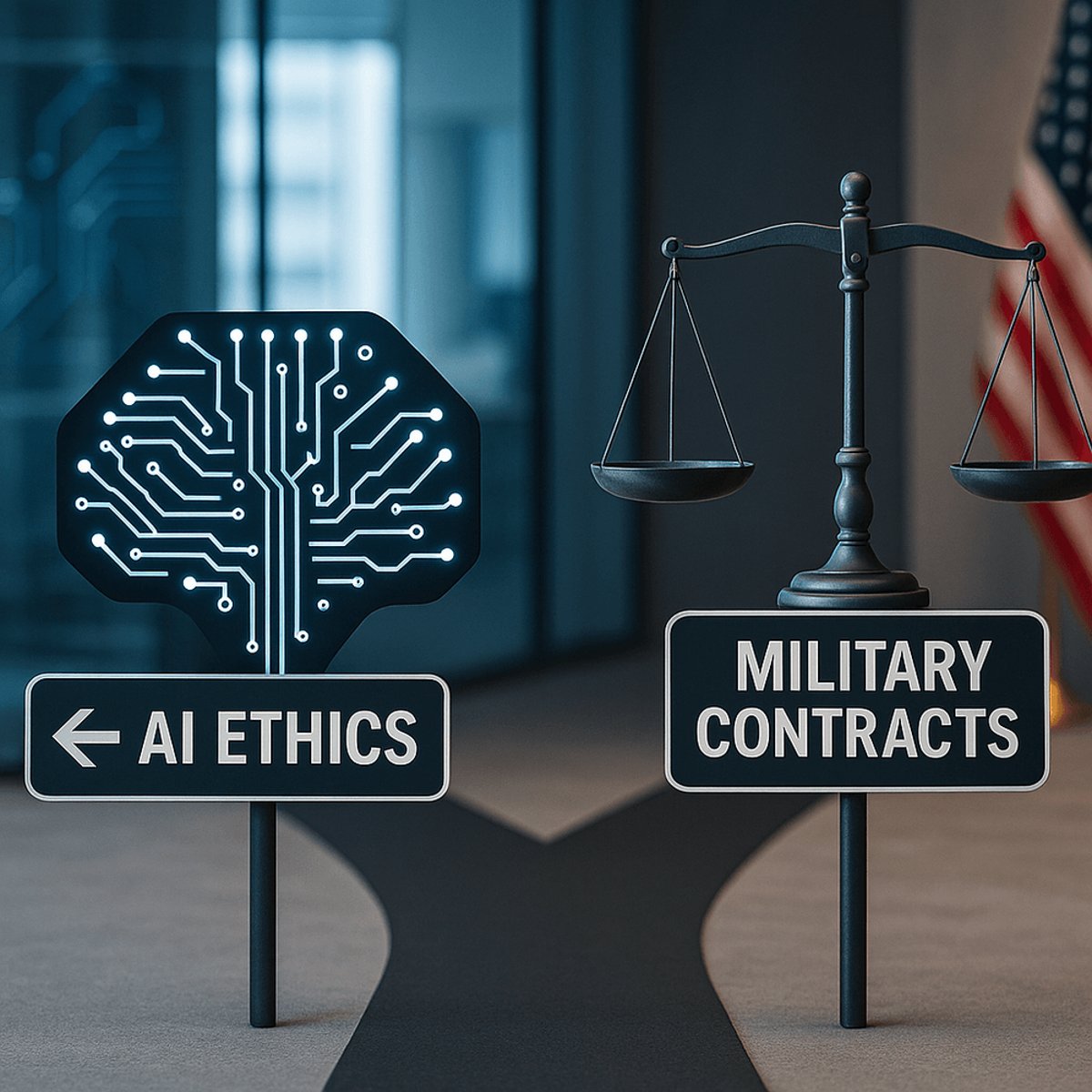
The gloves are off in the AI safety debate. Anthropic CEO Dario Amodei just publicly accused OpenAI of spreading "straight up lies" about its Pentagon contract, marking one of the sharpest confrontations yet between rival AI labs. The clash comes after Anthropic walked away from a Defense Department deal over safety concerns, only to watch OpenAI step in to fill the void. It's a bitter twist in the ongoing battle over whether AI companies should arm the military.
The rift between Anthropic and OpenAI just went from corporate rivalry to outright accusation. Dario Amodei, who co-founded Anthropic after leaving OpenAI in 2021, didn't mince words when discussing his former employer's approach to military contracts, according to a TechCrunch report.
The confrontation centers on a Pentagon contract that Anthropic voluntarily abandoned. The company had been working with the Department of Defense but pulled out after hitting what sources describe as irreconcilable differences over AI safety protocols. Rather than let the contract dissolve, OpenAI swooped in to take Anthropic's place, a move that apparently didn't sit well with Amodei.
What makes this clash particularly striking is the history between the two companies. Amodei left OpenAI along with several other researchers specifically to build what they saw as a more safety-focused alternative. Anthropic has consistently positioned itself as the cautious counterweight to OpenAI's more aggressive commercialization strategy. The company's constitutional AI approach and emphasis on AI alignment have become central to its identity.
But the Pentagon contract situation reveals how complicated these principles become when government money and national security enter the picture. Anthropic initially thought it could work within Defense Department constraints while maintaining its safety standards. When that proved impossible, the company walked. OpenAI apparently saw things differently.
According to the report, Amodei's frustration stems from how OpenAI has characterized its military work publicly. While the specific claims Amodei disputes weren't detailed in the initial reporting, the "straight up lies" accusation suggests OpenAI may have downplayed the nature of its Pentagon collaboration or oversold its safety guardrails.
This isn't the first time military contracts have divided the AI industry. Google famously faced employee revolts over Project Maven, its Pentagon drone imagery analysis contract, eventually declining to renew the work. Microsoft weathered similar protests over its HoloLens contract with the Army. But those were internal battles. This is CEO versus CEO, safety philosophy versus safety philosophy.
The timing amplifies the stakes. Congress is actively debating AI regulation, and the Defense Department is racing to integrate AI capabilities before adversaries gain an edge. How the leading AI labs approach military work will shape both policy debates and recruitment battles for top talent.
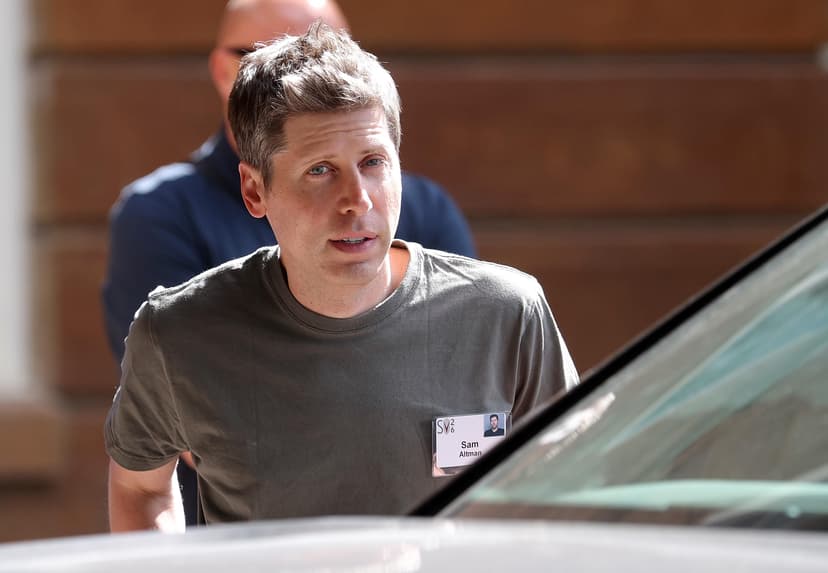
For OpenAI, the Pentagon relationship represents a validation of its technology and a potentially lucrative revenue stream beyond consumer products. The company has already inked deals with Microsoft Azure Government and positioned itself as a partner in national security AI applications. CEO Sam Altman has argued that responsible AI companies have an obligation to help democratic governments maintain technological advantages.
Amodei clearly sees it differently. By calling out OpenAI's messaging as dishonest, he's drawing a bright line between Anthropic's approach and its rival's willingness to compromise. It's a risky move that could alienate potential government customers, but it reinforces Anthropic's brand as the AI lab that won't bend its principles.
The clash also highlights a fundamental tension in AI development. Every major lab claims to prioritize safety, but those commitments get tested when billions in government contracts are on the table. Anthropic walked away from the money. OpenAI didn't. Now the industry is watching to see which approach proves more sustainable as AI capabilities grow more powerful and more politically sensitive.
Neither company has released detailed statements about the specific contract terms or what safety concerns prompted Anthropic's exit. That opacity makes it hard to judge who's being more honest about their military work. But Amodei's willingness to publicly attack OpenAI's credibility suggests he believes the differences are significant enough to risk burning bridges.
This public feud between Amodei and OpenAI isn't just corporate drama - it's a preview of conflicts to come as AI labs balance safety commitments against commercial and geopolitical pressures. Anthropic's decision to walk away from Pentagon money was already notable. Amodei's decision to publicly call out his competitor's honesty takes that stance from principle to provocation. The AI industry has long debated safety in the abstract. Now we're seeing what happens when those debates collide with real contracts, real money, and real weapons systems. How other labs respond, and whether Anthropic's hardline approach attracts or repels talent and investment, will help define what 'responsible AI' actually means when national security is involved.