Anthropic just made a bold bet that scientists don't need another model - they need a better workflow. The AI lab launched Claude Science, a unified workbench that consolidates databases, computational pipelines, and research tools into one environment. Instead of competing on model performance, Anthropic's pivoting toward vertical solutions, a shift that could reshape how enterprise AI companies differentiate themselves in an increasingly crowded market.
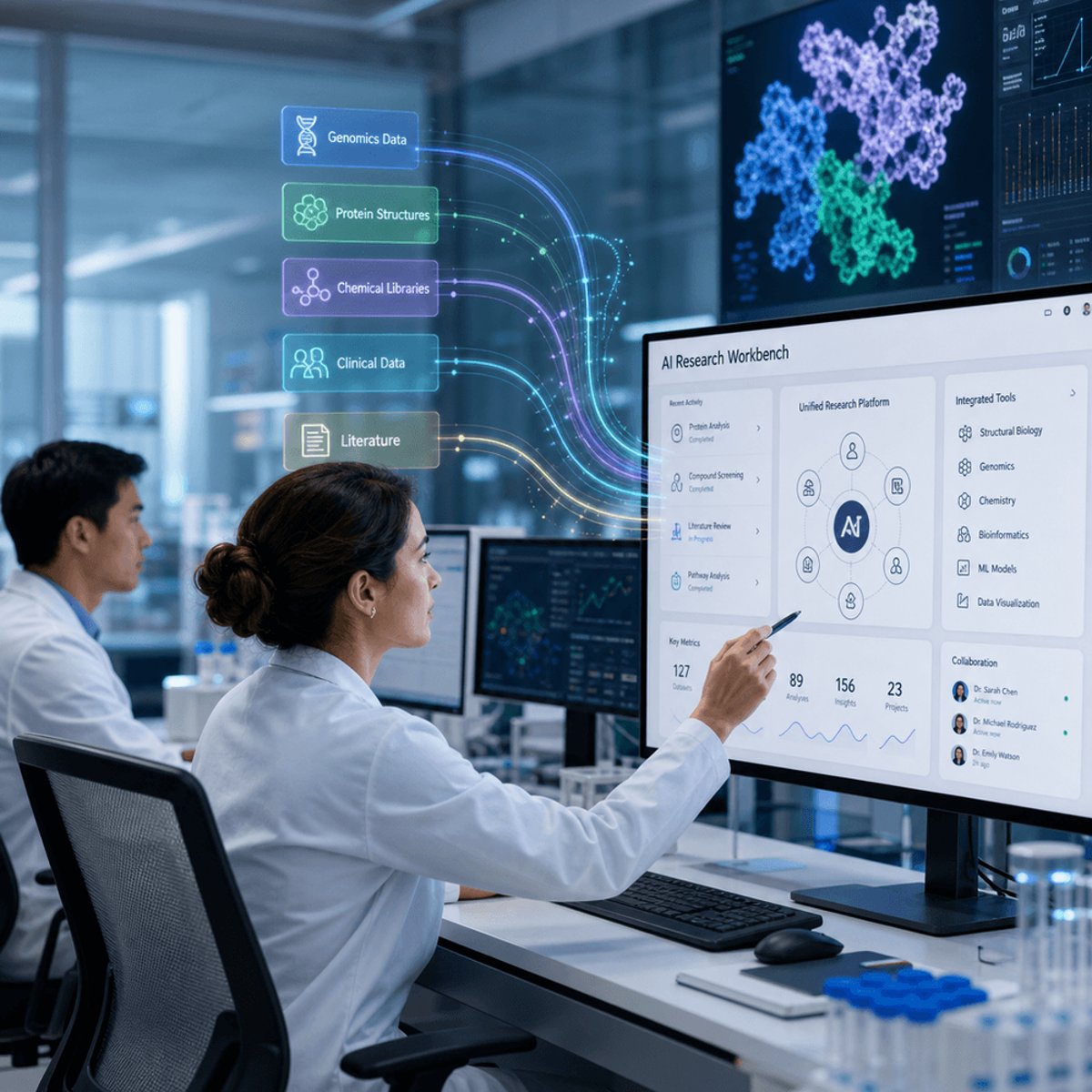
Anthropic is making a calculated gamble that workflow beats horsepower. The AI lab just unveiled Claude Science, a specialized workbench designed to keep computational researchers in one place instead of bouncing between half a dozen databases and tools. It's a telling strategic pivot - and one that reveals where enterprise AI competition is actually heading.
The launch comes as AI labs face mounting pressure to differentiate beyond model benchmarks. While competitors race to tout parameter counts and benchmark scores, Anthropic is betting that scientists care more about eliminating friction than marginal improvements in accuracy. Claude Science integrates data sources, computational pipelines, and analytical tools into a single interface powered by Claude's existing models.
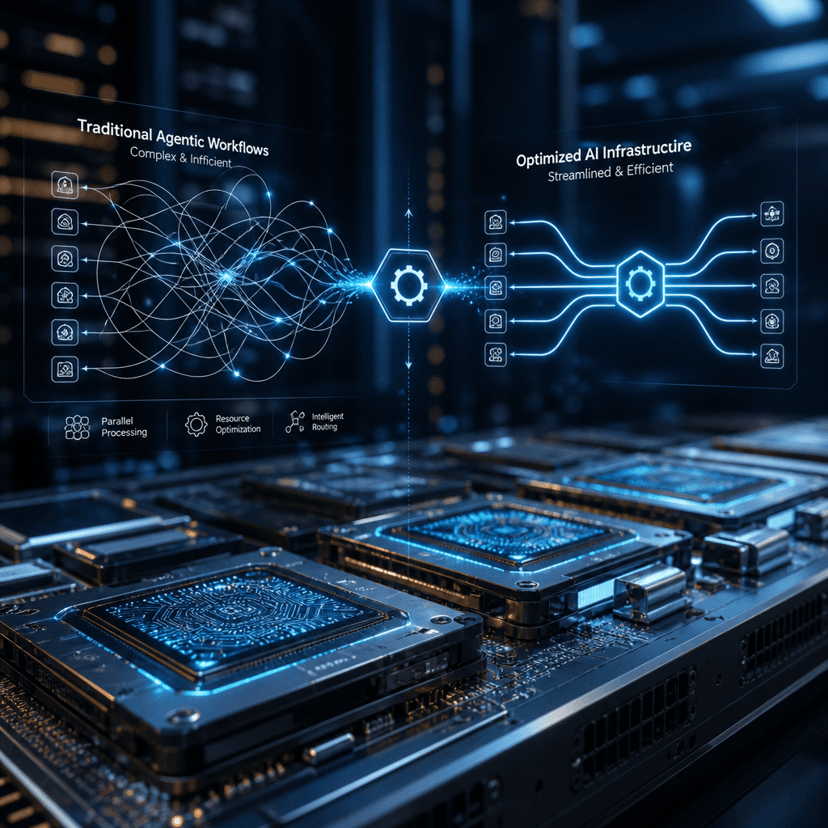
For researchers, the promise is simple but powerful: stop context-switching. Anyone who's done computational biology or chemistry knows the drill - query one database, export results, feed them into another tool, copy outputs to yet another platform. Each transition means reformatting data, remembering API quirks, and losing your train of thought. Claude Science aims to collapse that workflow into one continuous environment.
But this launch isn't just about making scientists' lives easier. It's a strategic signal about where AI monetization is heading. The model wars have created a race to the bottom on pricing - OpenAI, Google, and Anthropic keep undercutting each other on API costs. Vertical solutions like Claude Science offer a way out: charge for workflow value, not just compute.
The life sciences market is a smart beachhead. Pharmaceutical companies and biotech firms already spend billions on research infrastructure and have workflows complex enough that integration genuinely saves money. If Claude Science can prove ROI in drug discovery pipelines, Anthropic unlocks enterprise contracts worth far more than raw API usage.
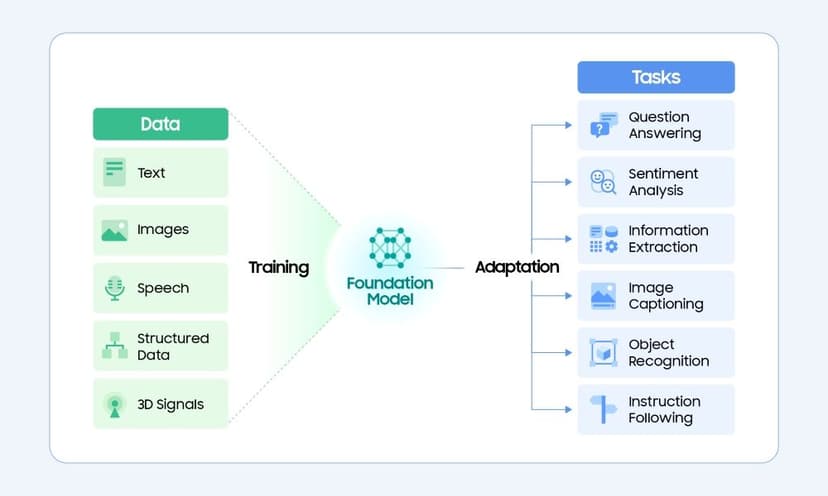
What's notably absent from the announcement is any mention of a new model. Claude Science runs on Anthropic's existing technology, which means the company is explicitly choosing to compete on product design and domain expertise rather than model capability. That's a departure from the playbook that's dominated AI labs for the past two years.
The competitive implications ripple outward fast. Google has been pushing its Gemini models into Google Workspace and Cloud services, banking on ecosystem lock-in. Microsoft embedded OpenAI throughout Office and Azure. Anthropic doesn't have those distribution advantages, so vertical depth becomes the differentiator.
Early adopters in computational chemistry and genomics will be the real test. If Claude Science can genuinely accelerate research timelines - helping teams discover drug candidates faster or identify genetic patterns more efficiently - it validates the entire strategy. But if it's just a nice interface over the same old tools, researchers will stick with their existing patchwork systems.
The pricing model remains unclear, which is itself revealing. Enterprise workflow tools typically command premium pricing compared to usage-based API access. If Anthropic can charge per-seat or per-project fees for Claude Science, the unit economics shift dramatically in their favor compared to selling API tokens.
Other AI labs are likely watching this closely. If Claude Science gains traction, expect OpenAI to launch vertical products for legal research, Google to deepen Gemini's engineering tools, and smaller labs to specialize even further. The era of general-purpose AI APIs as the primary product might be shorter than anyone expected.
For scientists, the immediate question is whether Claude Science actually delivers on its consolidation promise. Research workflows are notoriously idiosyncratic - every lab has custom scripts, preferred databases, and specialized tools. A workbench that tries to be everything to everyone often ends up being useful to no one. Anthropic will need to balance flexibility with integration depth.
The timing also matters. We're seeing an inflection point where AI capabilities have plateaued enough that incremental model improvements matter less than practical deployment. Scientists don't need Claude to be 5% more accurate - they need it to save them three hours a day.
Anthropic's Claude Science represents more than a product launch - it's a preview of how AI competition evolves beyond the model wars. As capabilities converge, the real battleground shifts to vertical integration and workflow optimization. If Claude Science succeeds in life sciences, expect every major AI lab to follow suit with specialized workbenches for law, engineering, finance, and beyond. The question isn't whether AI will transform scientific research - it's whether scientists will trust a consolidated platform enough to abandon their hard-won, duct-taped workflows. That trust is harder to build than any model, and it might be the most defensible moat in enterprise AI.