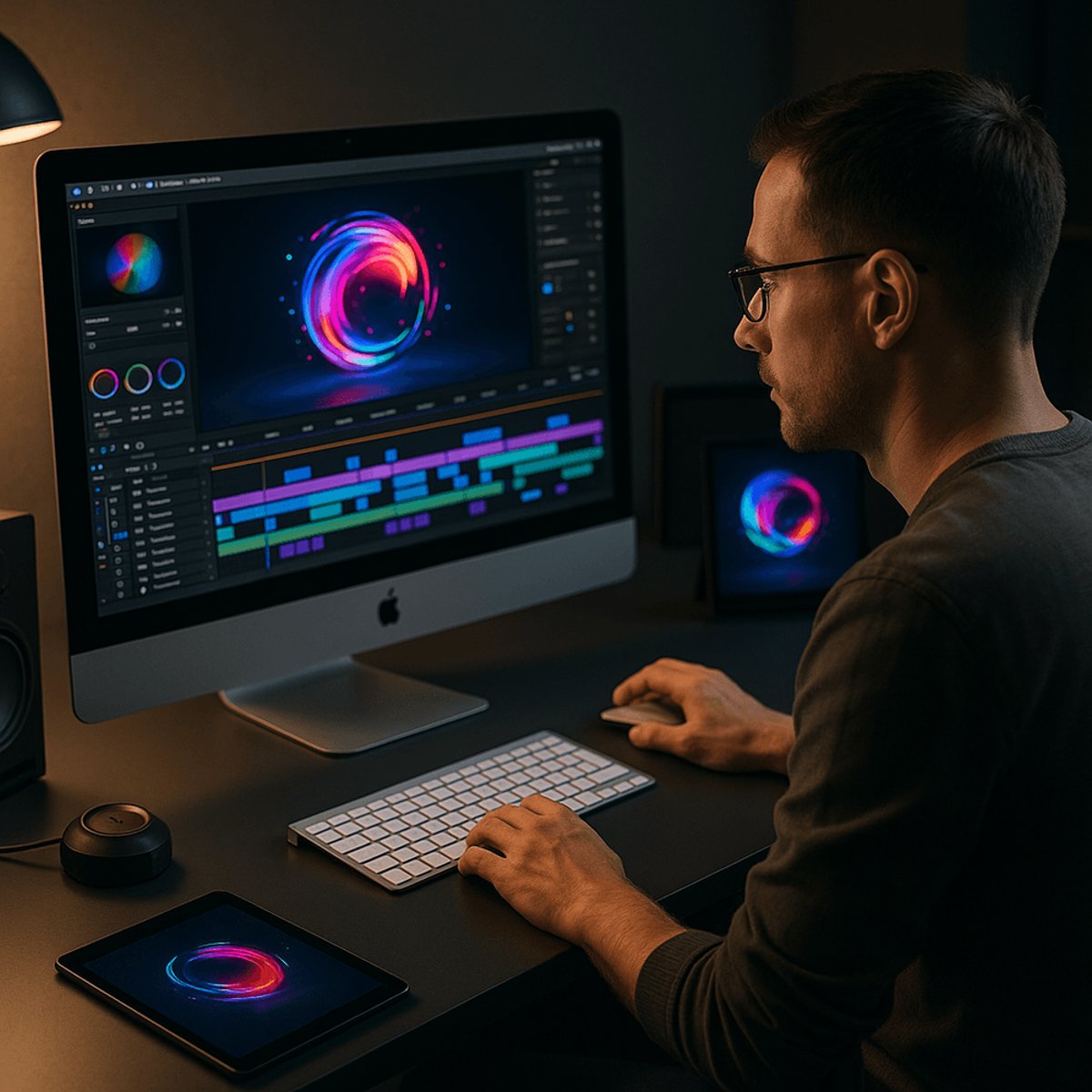
Apple just made a strategic bet on the creator economy. The iPhone maker is acquiring MotionVFX, a Poland-based video editing tools company known for premium Final Cut Pro plugins, in a move that signals Apple's aggressive push into subscription-based creator services. The deal comes as Apple diversifies revenue beyond hardware into recurring services that now generate over $85 billion annually.
Apple is buying MotionVFX, a move that reveals how seriously the company takes its ambitions in the creator subscription economy. The acquisition, reported by CNBC on Monday, targets a company that's built a cult following among Final Cut Pro users for its high-end motion graphics templates, plugins, and visual effects tools.
Financial terms weren't disclosed, but the strategic logic is clear. Apple's services division has become its second-largest revenue generator, pulling in $85.2 billion in fiscal 2025. Yet while Apple Music, iCloud, and Apple TV+ grab headlines, the company's professional creator tools represent an undermonetized opportunity. MotionVFX already operates on a subscription model, charging creators $19 to $49 monthly for access to its library of templates and effects.
The timing aligns with broader shifts in how creators work. Over 50 million people globally now identify as content creators, according to SignalFire research, and they're spending billions on tools to professionalize their output. Adobe dominates this space with Creative Cloud's 30 million subscribers, but Apple's been quietly building its own ecosystem around Final Cut Pro, Logic Pro, and now potentially a more robust subscription offering.
MotionVFX brings more than just products - it brings a direct relationship with professional creators. The company's tools are used by YouTubers, filmmakers, and marketing teams who demand broadcast-quality results. By folding MotionVFX into its ecosystem, Apple gains both technical assets and customer insights into what working creators actually need.
This isn't Apple's first rodeo in acquiring creative tools companies. The company bought Capo, a music learning app, and Workflow (which became Shortcuts) to enhance its creative software stack. But MotionVFX represents something bigger - a subscription business with established revenue that can be scaled across Apple's massive installed base of Mac users.
The acquisition also addresses a long-standing criticism of Final Cut Pro. While Apple's video editor has loyal fans, it's struggled to keep pace with Adobe Premiere Pro's plugin ecosystem and third-party integrations. MotionVFX's catalog of effects and templates could become first-party offerings, making Final Cut Pro more competitive out of the box.
For Apple, the math is compelling. If even 5% of the estimated 100 million Mac users adopted a creator tools subscription at $20 monthly, that's $1.2 billion in annual recurring revenue - high-margin software revenue that doesn't require manufacturing a single device. The company's been experimenting with subscriptions for Final Cut Pro and Logic Pro on iPad, charging $4.99 monthly, but a comprehensive creator suite could command significantly more.
The competitive implications extend beyond Adobe. Microsoft has been integrating AI-powered creative tools into Office 365, while startups like Descript and Runway are reimagining video editing with generative AI. Apple needs to move fast to avoid being outflanked by AI-native tools that could make traditional editing workflows obsolete.
What remains unclear is how Apple will integrate MotionVFX's existing subscription business. Will it maintain the standalone brand, or fold everything into an expanded Apple One bundle? The company's historically preferred to build rather than buy, making this acquisition notable for its willingness to embrace an external brand that creators already trust.
Industry analysts see this as part of Apple's longer game to own the premium creator segment. These users don't just subscribe to software - they buy Mac Studios, Pro Display XDRs, and max out RAM configurations. A creator who's locked into Apple's subscription ecosystem is also more likely to stay in the hardware ecosystem, creating a virtuous cycle of revenue.
Apple's MotionVFX acquisition isn't just about buying a plugin company - it's a strategic play for recurring creator revenue at a moment when subscription economics matter more than ever to Cupertino's bottom line. By bringing premium video editing tools in-house, Apple positions itself to compete directly with Adobe's Creative Cloud empire while deepening the moat around its professional Mac ecosystem. The real test comes next: can Apple scale MotionVFX's boutique appeal into a mass-market subscription that creators actually want to pay for, or will this become another acqui-hire that fades into the background? For now, Final Cut Pro users are watching closely to see whether this deal brings the innovation their platform desperately needs.