Apple is doubling down on American manufacturing with a $400 million commitment through 2030, bringing four major suppliers into its domestic production program. The move adds Bosch, Cirrus Logic, TDK, and Qnity Electronics to a program that's quietly reshaping how Apple builds its products amid ongoing political pressure to reshore critical tech manufacturing. The expansion signals Apple's long-term bet on domestic supply chains as geopolitical tensions and trade policy continue to reshape the global electronics industry.
Apple just made its biggest commitment yet to American manufacturing, and the timing tells you everything. The company's adding four strategic suppliers to its domestic production program with a $400 million investment that extends through 2030, according to CNBC. The quartet - Bosch, Cirrus Logic, TDK, and Qnity Electronics - represents a cross-section of Apple's supply chain that's critical to everything from iPhones to MacBooks.
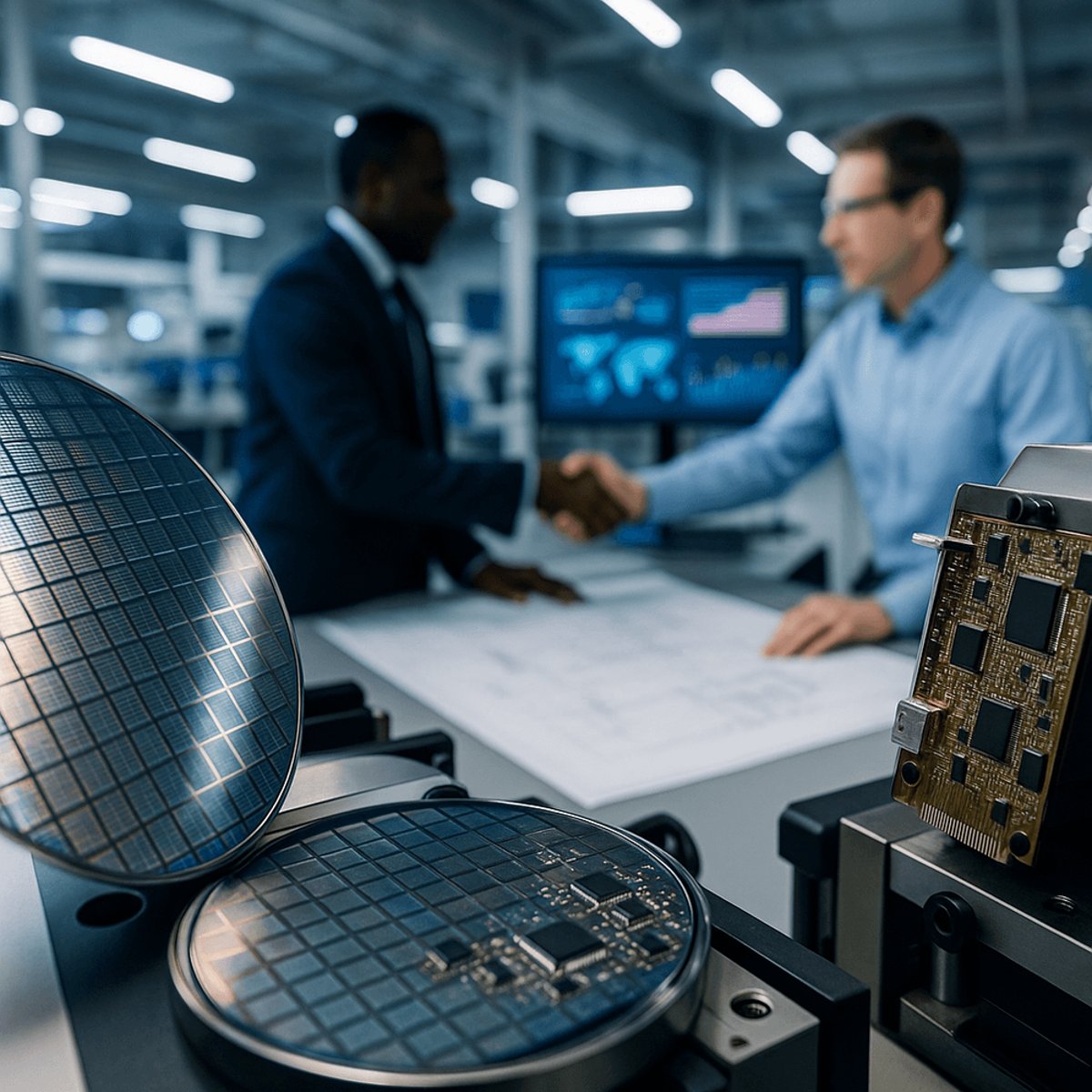
The announcement lands as the Trump administration ramps up pressure on tech giants to reshore manufacturing. But Apple's been playing this game longer than most realize. The company launched its American Manufacturing Program years ago, and this expansion suggests it's transitioning from a political chess move to actual production strategy. Cirrus Logic, which makes audio chips that power iPhone speakers and microphones, brings semiconductor manufacturing capabilities that align with Washington's push for domestic chip production.
Bosch, the German industrial powerhouse, adds sensor technology that's increasingly critical as Apple pushes deeper into health monitoring and autonomous systems. The company's MEMS sensors - tiny components that detect motion, pressure, and environmental changes - show up in Apple Watches and AirPods. Getting those made domestically reduces Apple's exposure to Asian supply chain disruptions that hammered tech companies during the pandemic.
The $400 million figure is substantial but not massive by Apple standards. The company spent over $100 billion on supply chain commitments last year alone. What matters more is the signal it sends to Apple's 200-plus suppliers: domestic production is becoming a competitive advantage, not just a compliance exercise. Companies that can manufacture in the US get preferential treatment in Apple's increasingly complex supply chain calculus.
TDK, the Japanese electronics veteran, brings battery and capacitor expertise that's essential to Apple's push for longer-lasting devices. The company's involvement suggests Apple's thinking beyond final assembly to the core components that determine product performance. Qnity Electronics, the least known of the four, specializes in precision manufacturing - the kind of tight-tolerance work that Apple demands for its premium products.
The 2030 timeline is deliberate. It gives suppliers time to build facilities, train workers, and scale production without disrupting Apple's current product roadmap. It also conveniently extends past the next presidential election cycle, hedging against policy changes. Apple's learned from Foxconn's failed Wisconsin factory promise - you don't announce manufacturing commitments you can't deliver.
The competitive dynamics are fascinating. Samsung already manufactures some chips in Texas. Intel is building massive fabs in Arizona and Ohio. TSMC broke ground on its Arizona facility that's producing chips for Apple's M-series processors. Apple's supplier expansion creates a domestic ecosystem that could eventually rival Asian manufacturing hubs, at least for high-value components.
But there's a cost calculation that Apple isn't broadcasting. American manufacturing is expensive - labor costs multiples of what companies pay in China or Vietnam. The $400 million investment likely covers equipment and facilities, but the ongoing operational expenses will show up in Apple's margins. The company's betting that premium customers will absorb the cost through higher prices, or that efficiency gains offset the labor premium.
The political optics matter too. Apple CEO Tim Cook has cultivated relationships across administrations, and this announcement gives him ammunition when Washington asks what Apple's doing for American workers. The Trump administration's manufacturing focus puts tech companies in a bind - comply and risk higher costs, or resist and face regulatory scrutiny. Apple's choosing compliance, but on its own timeline and terms.
Apple's $400 million commitment through 2030 isn't just about manufacturing - it's about repositioning the company's supply chain for a world where geopolitics matters as much as cost efficiency. By bringing Bosch, Cirrus Logic, TDK, and Qnity Electronics into domestic production, Apple's building insurance against trade wars, tariffs, and political pressure while potentially creating a manufacturing ecosystem that could redefine American electronics production. The question now is whether other tech giants follow Apple's lead or wait to see if this expensive experiment pays off. Either way, the days of Asia-only supply chains are clearly ending for the world's most valuable company.