The Federal Reserve found itself in an awkward position this summer: warning financial institutions about critical cybersecurity vulnerabilities while unable to access the very AI tool designed to find them. As of mid-July, the central bank still didn't have access to Anthropic's Claude Mythos Preview, even as private banks and tech firms were racing to deploy the model under Project Glasswing, according to sources familiar with the matter. The situation exposes a growing gap between regulatory oversight and enterprise AI adoption.
The Federal Reserve spent months sounding the alarm about cybersecurity threats it couldn't fully investigate itself. While the central bank pushed financial institutions to patch vulnerabilities discovered by AI models, it remained locked out of Anthropic's Claude Mythos Preview—the very tool other banks were using to hunt for those same security holes.
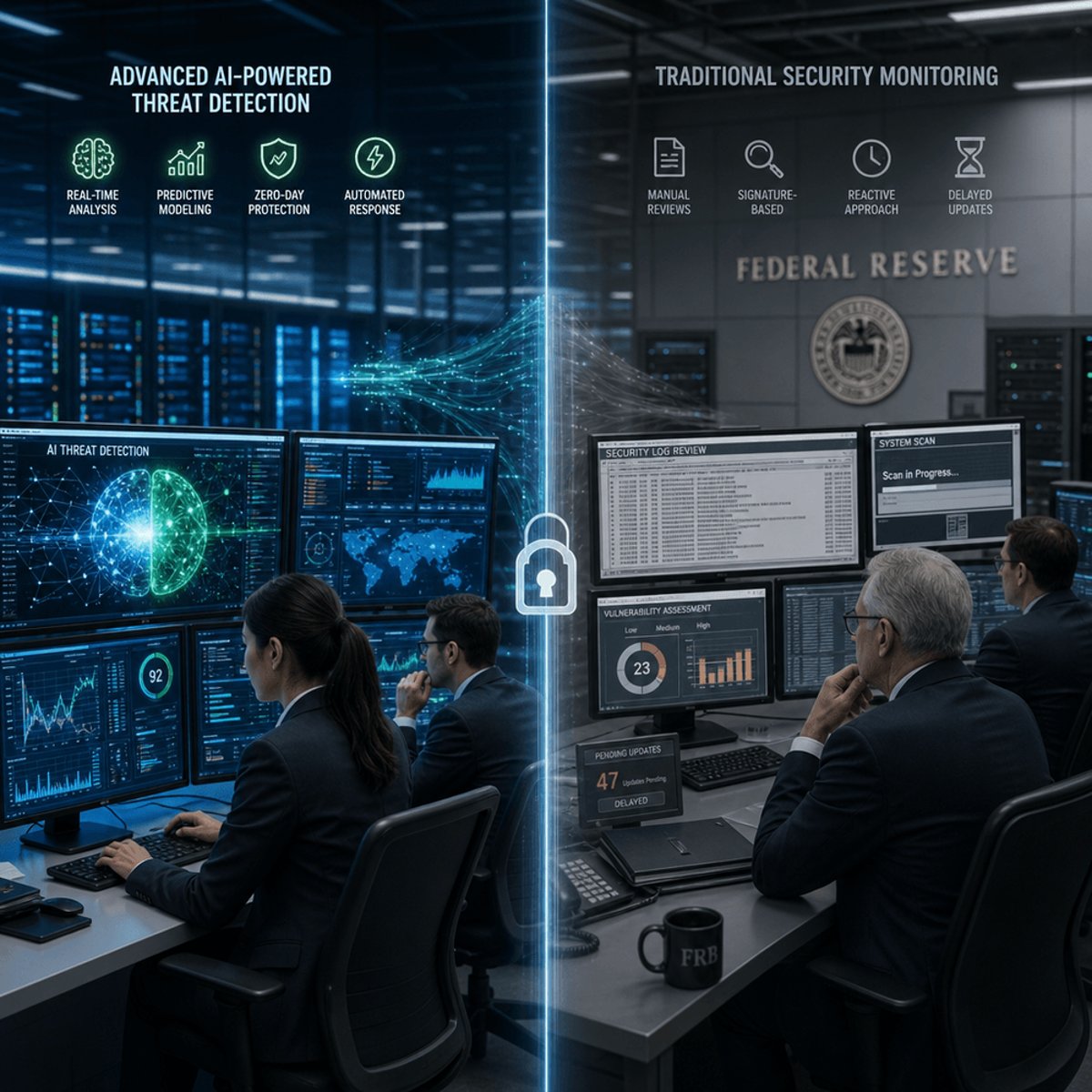
The irony wasn't lost on cybersecurity teams across the financial sector. According to industry sources speaking to CNBC, major banks participating in Project Glasswing—a collaborative initiative to deploy Mythos for threat detection—were actively patching systems based on AI-discovered vulnerabilities. Meanwhile, the Fed's own security teams were working without the advanced model, relying on traditional scanning methods that Mythos was designed to surpass.
The delays stemmed from the familiar bureaucratic tangle that plagues government tech adoption. Federal procurement processes, designed for hardware and traditional software licensing, don't move at the speed of AI model releases. While Anthropic offered Claude Mythos Preview to enterprise customers starting in early 2026, government contracts require layers of approval that can stretch for months. The Fed found itself caught between urgent security needs and procurement reality.
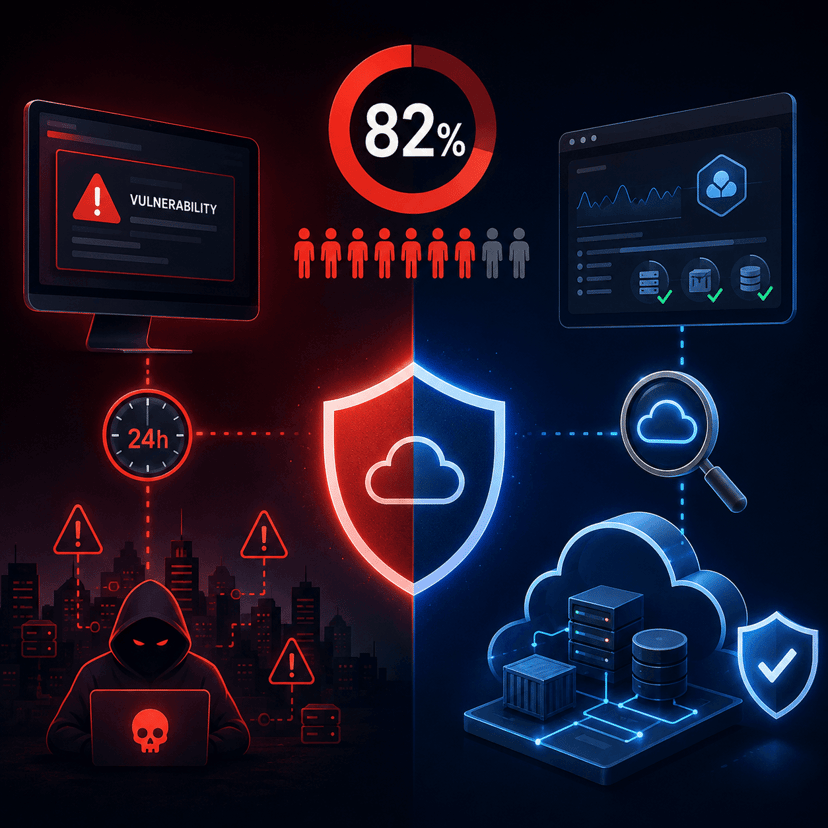
Project Glasswing emerged as a response to increasingly sophisticated cyber threats targeting financial infrastructure. Banks pooled resources to license Mythos specifically for its ability to identify zero-day vulnerabilities and unusual network patterns that traditional security tools miss. The collaborative approach made sense—sharing threat intelligence while keeping individual bank data private. But the Fed's absence from the initial deployment meant the regulator was analyzing threats reported by banks rather than discovering them independently.
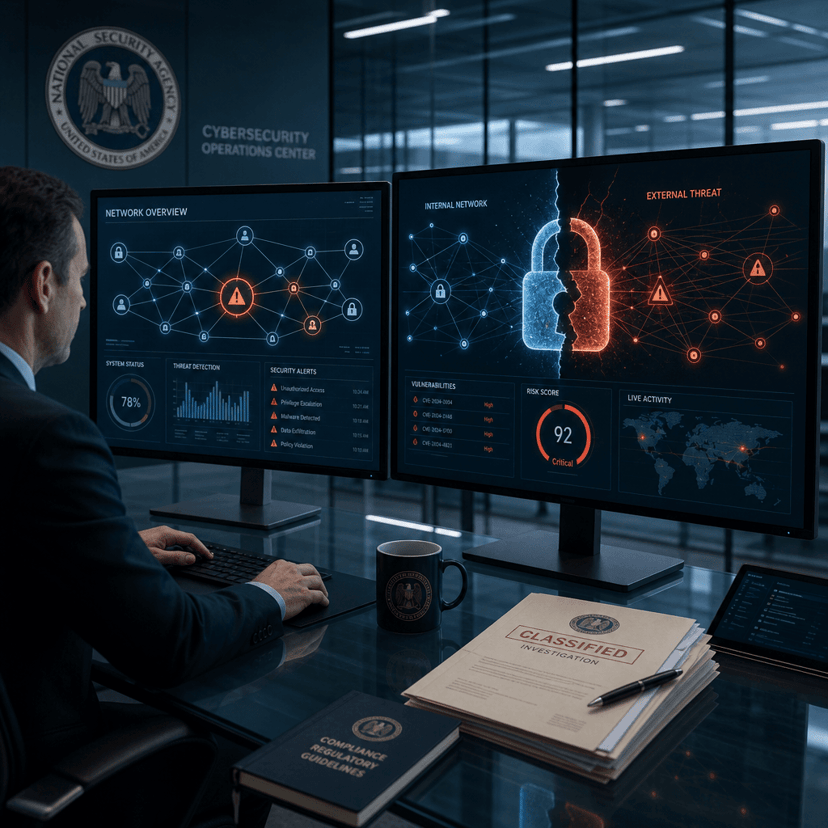
The situation gets more complex when you consider the Fed's dual role. It's both a regulator issuing cybersecurity guidance and a potential target itself, managing critical payment systems like Fedwire. Security experts have pointed out that the central bank needs cutting-edge tools not just for oversight but for protecting its own infrastructure. Every day without advanced AI-powered threat detection is a day of elevated risk.
Anthropic's Claude Mythos Preview represents a new generation of security-focused AI models. Unlike general-purpose large language models, Mythos was trained specifically on cybersecurity data—vulnerability databases, exploit code, network traffic patterns, and threat actor behavior. The model can analyze codebases for security flaws, simulate attack scenarios, and identify suspicious patterns across massive datasets faster than human security teams. That capability is exactly what drew financial institutions to Project Glasswing.
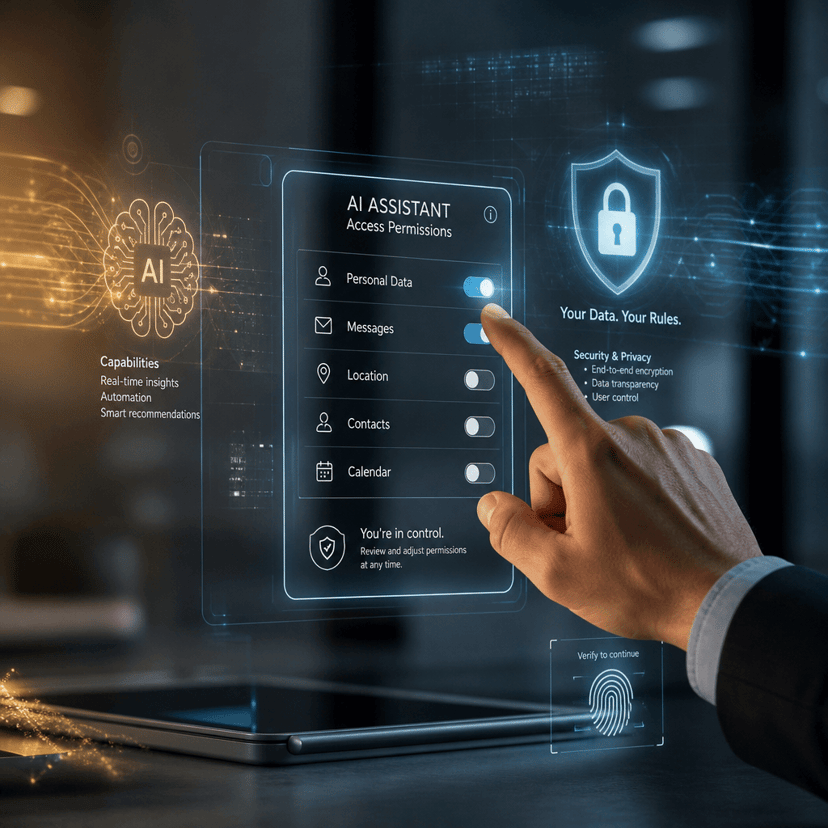
But AI model access isn't as simple as signing up for a subscription, especially for government agencies. The Fed needed to navigate questions about data sovereignty, model hosting requirements, and compliance with federal information security standards. Does the model run in Anthropic's cloud, or does it need to be deployed on-premises? How is sensitive financial data handled during analysis? These aren't trivial questions, and they don't have quick answers within government procurement frameworks.
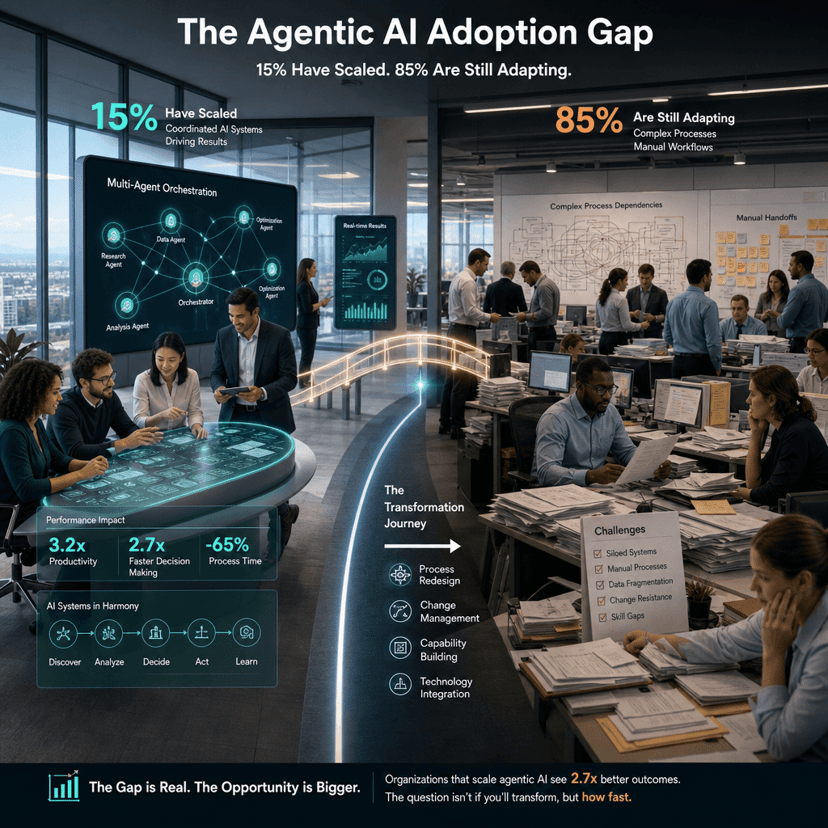
The delay also highlights a broader tension in AI adoption. Private sector institutions can move quickly, signing enterprise agreements and deploying models within weeks. Government agencies face longer timelines, even when the use case is urgent. This gap creates a two-tier system where regulated entities have access to more advanced tools than their regulators. It's a reversal of the usual dynamic where regulators dictate which technologies are acceptable.
Other federal agencies are watching the Fed's situation closely. If the central bank—with its substantial budget and technical sophistication—struggles to adopt cutting-edge AI tools quickly, what does that mean for smaller agencies with less resources? The challenge isn't unique to cybersecurity. Across government, there's growing recognition that AI adoption requires new procurement models, but changing those systems takes time that emerging threats don't allow.
Industry observers expect the Fed to eventually gain access to Mythos or a similar tool, but the months-long gap has already had consequences. Threat intelligence shared by banks provided valuable data, but secondhand reports aren't the same as direct analysis. The Fed's cybersecurity posture during this period relied on older tools and methodologies while threats evolved faster than ever.
The Fed's Mythos predicament cuts to the heart of modern regulatory challenges. As AI tools become essential for cybersecurity, government agencies can't afford months-long delays between threat emergence and tool deployment. The private sector will keep moving at AI speed, signing contracts and deploying models as soon as they're available. Regulators need new frameworks that balance necessary oversight with the urgency that cybersecurity demands. Otherwise, the gap between what regulators can see and what threats actually exist will only widen—leaving critical infrastructure more vulnerable, not less. The question isn't whether the Fed will eventually get access to advanced AI security tools. It's whether government procurement can evolve fast enough to make that access meaningful when it finally arrives.