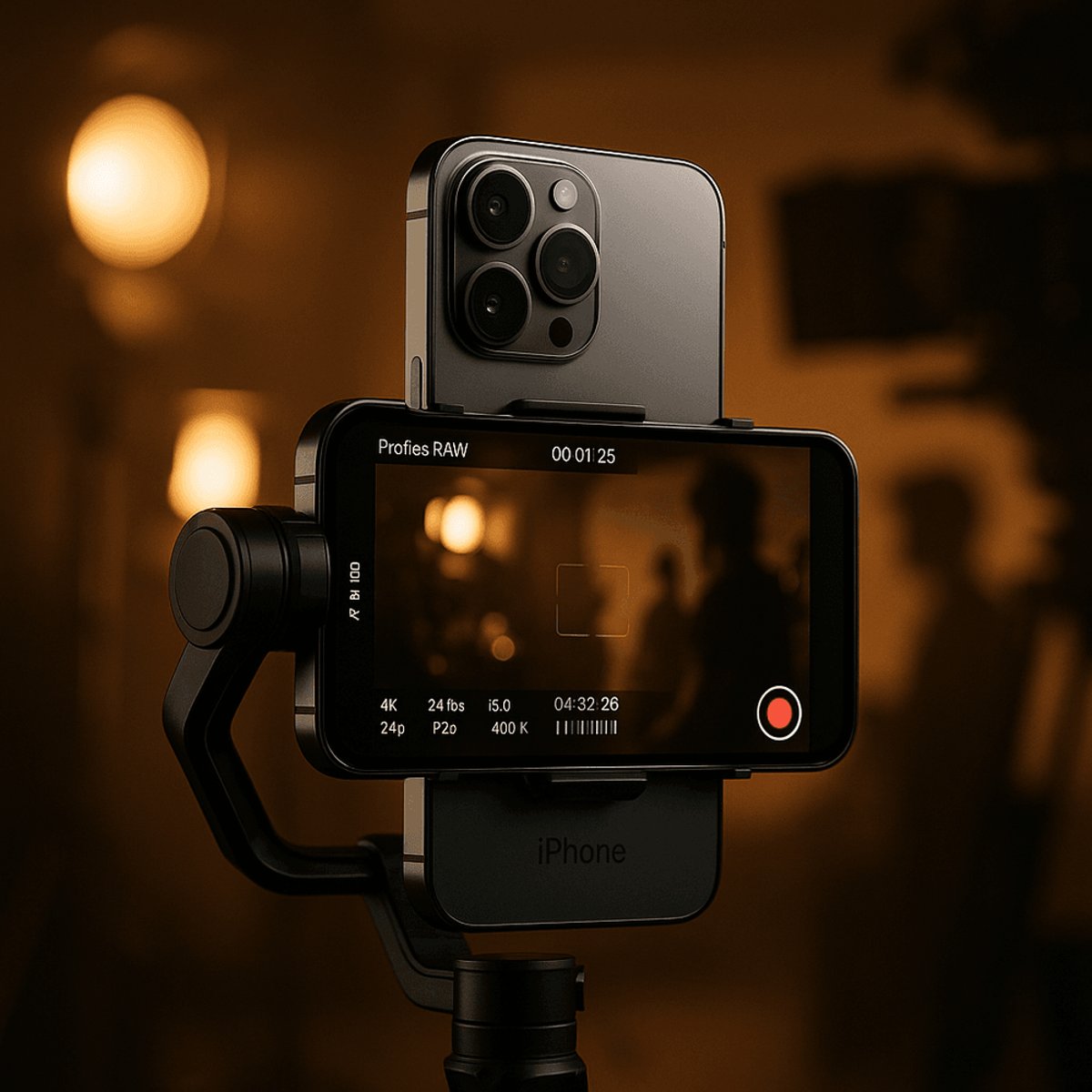
Apple just dropped Final Cut Camera 2.0, bringing professional-grade ProRes RAW recording and genlock synchronization to the iPhone 17 Pro lineup. The update transforms Apple's latest flagships into legitimate cinema cameras, with Apple Log 2 support delivering wider color gamuts that rival dedicated film equipment. For video professionals, this means pocket-sized cameras that can seamlessly integrate with multi-camera setups worth tens of thousands of dollars.
Apple just rewrote the rules for mobile filmmaking. The company's Final Cut Camera 2.0 announcement brings Hollywood-level recording capabilities to the iPhone 17 Pro, with ProRes RAW support and genlock timing that puts Apple's latest flagship squarely in professional cinema territory.
The timing couldn't be more strategic. As production budgets tighten and creators demand more flexible shooting options, Apple is positioning the iPhone 17 Pro as a legitimate alternative to cameras costing 10 times more. Industry insiders have been buzzing about this update since early development leaks surfaced in June, and today's announcement delivers everything professionals hoped for.
The headline feature is Apple Log 2 support, which captures an even wider color gamut than the original Apple Log format. According to Apple's technical documentation, users can now record in ProRes or HEVC with color information that rivals dedicated cinema cameras. The Log 2 LUT integration with Final Cut Pro means editors can immediately view footage with the full vibrancy of the original scene.
But it's the professional timing features that really set this apart. Final Cut Camera 2.0 introduces comprehensive timecode support with Time of Day, Record Run, and external timecode options. This addresses a major pain point for multi-camera productions, where precise frame synchronization can make or break a shoot. The genlock functionality means iPhone 17 Pro units can now lock to external timing references, essential for professional broadcast workflows.
The new 200mm telephoto camera support adds another dimension to professional shooting. Apple confirms the lens can capture ProRes footage up to 4K60fps, giving cinematographers more framing flexibility without sacrificing quality. This effectively turns the iPhone 17 Pro into a three-lens cinema package that fits in your pocket.
Netflix and HBO have already been experimenting with iPhone footage in their productions, but mostly for specific sequences or behind-the-scenes content. With these new capabilities, we're likely to see smartphones playing larger roles in mainstream entertainment production. The cost savings alone could revolutionize independent filmmaking.
The update also signals Apple's broader push into professional creative markets. Since acquiring the Final Cut Pro team, the company has consistently added features that blur the line between consumer and professional equipment. This move directly challenges traditional camera manufacturers like RED Digital Cinema and Blackmagic Design, who have built entire businesses around these exact capabilities.
What's particularly smart about Apple's approach is the seamless integration across their ecosystem. Footage captured on iPhone 17 Pro will automatically sync with Final Cut Pro projects on iPad and Mac, with the Log 2 LUT applied instantly. This kind of workflow integration is something traditional camera manufacturers have struggled to match.
The free availability is also strategic. While Apple could have easily charged for these professional features, making them free removes barriers for creators considering the iPhone 17 Pro as their primary camera. The move follows the company's playbook of using software to drive hardware sales in creative markets.
Final Cut Camera 2.0 represents more than just a software update - it's Apple's declaration that the iPhone belongs in professional production environments. With ProRes RAW, Apple Log 2, and genlock timing, the iPhone 17 Pro now offers capabilities that cost tens of thousands of dollars just a few years ago. For creators, this democratizes high-end video production in ways that could reshape how content gets made. The real test will be whether traditional production houses embrace smartphones as legitimate tools, but with Netflix and HBO already experimenting, that shift seems inevitable.