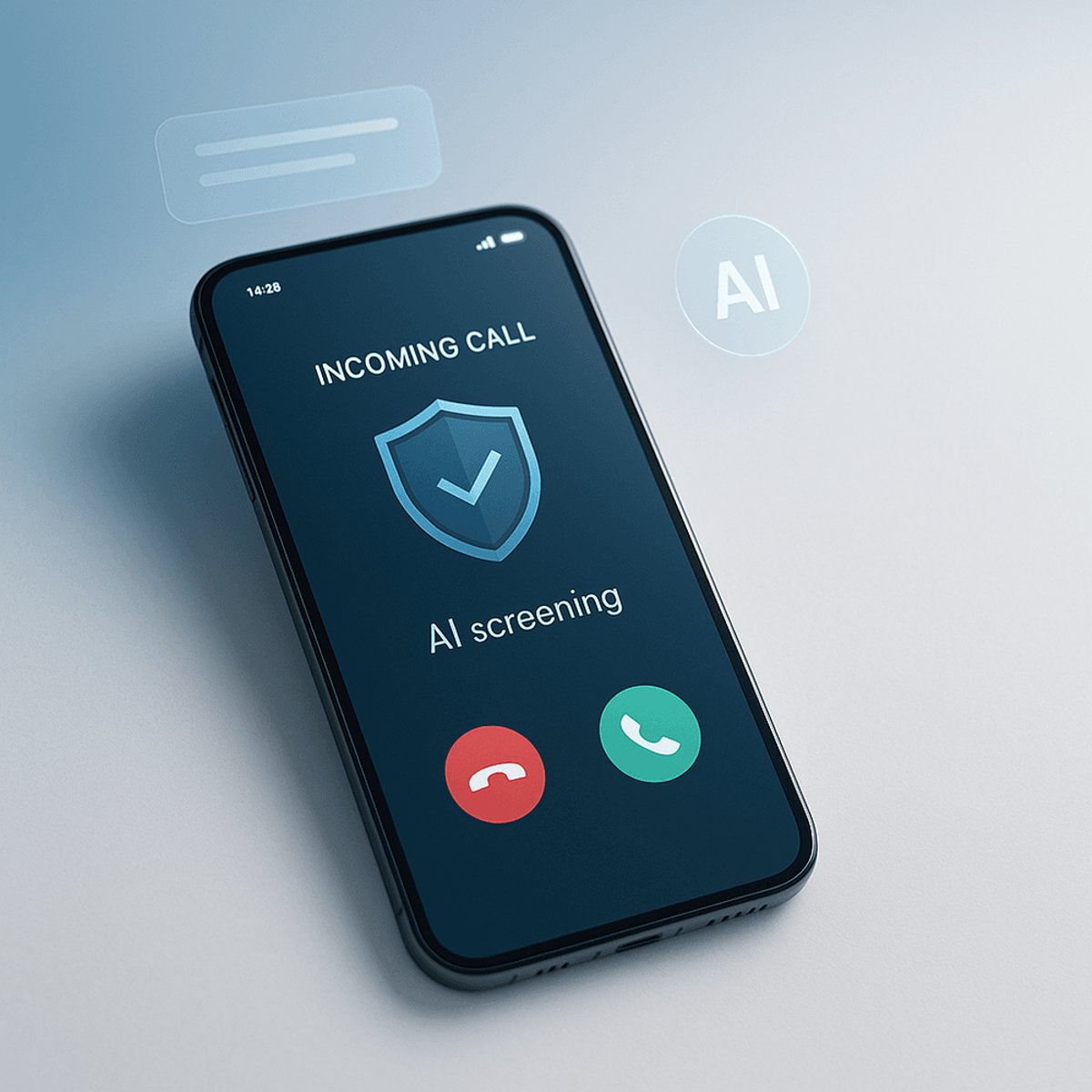
Apple is finally bringing AI-powered call screening to iPhones with iOS 26, launching September 15. The feature automatically answers unknown calls, asks for the caller's name and reason, then displays the info so you can decide whether to pick up. It's a game-changer for iPhone users drowning in spam calls - but Google Pixel owners have been enjoying this exact feature since 2018.
The phone call anxiety is real. For years, iPhone users have been stuck between a rock and a spam call - either answer every unknown number and risk telemarketers, or miss important calls entirely. Apple is finally solving this problem with iOS 26's new call screening feature, but there's a catch: Google users have been living this dream since 2018.
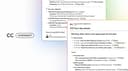
When iOS 26 rolls out on September 15, iPhone owners can enable automatic call screening for unknown numbers. The system works elegantly - your phone picks up the call, a robotic voice asks for the caller's name and purpose, then displays this information in a notification bubble so you can decide whether to actually answer. It supports nine languages at launch, including English, Spanish, and Japanese.
But Google's Pixel phones have been doing this exact thing for seven years. "It is one of our fan favorite features," Lyubov Farafonova, a Google product manager, told WIRED. She revealed that millions of Pixel users in the US alone rely on Call Screen daily.
Google hasn't been sitting still either. Since launching Call Screen in 2018, the company has refined the synthetic voice to sound more natural and added tappable reply options so users can communicate with callers without actually picking up. This fall, they're expanding to new markets including India, where Pixel 10 owners will get beta access with English and Hindi support, plus real-time translation capabilities.
This pattern of Apple playing catch-up to Google's AI innovations is becoming increasingly familiar. Google's Magic Eraser for photo cleanup arrived on Pixel devices in 2021, while Apple's version didn't debut until 2024. Home screen widgets? Google added them to Android in 2017, and Apple followed three years later.
Of course, the copying goes both ways. Android's Quick Share file transfer system came long after Apple's AirDrop pioneered the concept. Google's Night Mode for reducing blue light at bedtime was clearly inspired by Apple's earlier Night Shift feature.
But when it comes to AI-powered features, Google clearly has the upper hand. The company's Gemini voice assistant and underlying large language models are already widely deployed across millions of devices. Recent Pixel phones have been packed with AI capabilities that make iPhones look surprisingly dated in comparison.
Apple Intelligence continues its slow rollout, offering basic notification summaries and search tools that don't match Google's sophistication. The new call screening feature, along with iOS 26's live translation abilities and automated hold management, represents Apple's most aggressive push into AI territory yet.
The aesthetic changes in iOS 26, particularly the new Liquid Glass interface, might grab headlines for their visual impact. But it's the AI features that reveal Apple's strategic priorities. Every major smartphone maker is now racing to demonstrate their machine learning capabilities, and features that work well get copied almost immediately.
For iPhone users who've been desperately waiting for call screening, iOS 26 can't come soon enough. The feature addresses a real pain point that's only gotten worse as spam calls proliferate. But for those keeping score in the AI arms race, this latest addition serves as a reminder of just how far ahead Google started running.
Apple's addition of call screening to iOS 26 will be a welcome relief for iPhone users tired of spam calls, but it also highlights the company's ongoing challenge in AI innovation. While Apple excels at polishing features and integrating them seamlessly into its ecosystem, Google's seven-year head start in this particular area shows just how competitive the AI landscape has become. As both companies continue expanding these capabilities globally, iPhone users can finally join their Android counterparts in screening calls with confidence - even if they're fashionably late to the party.