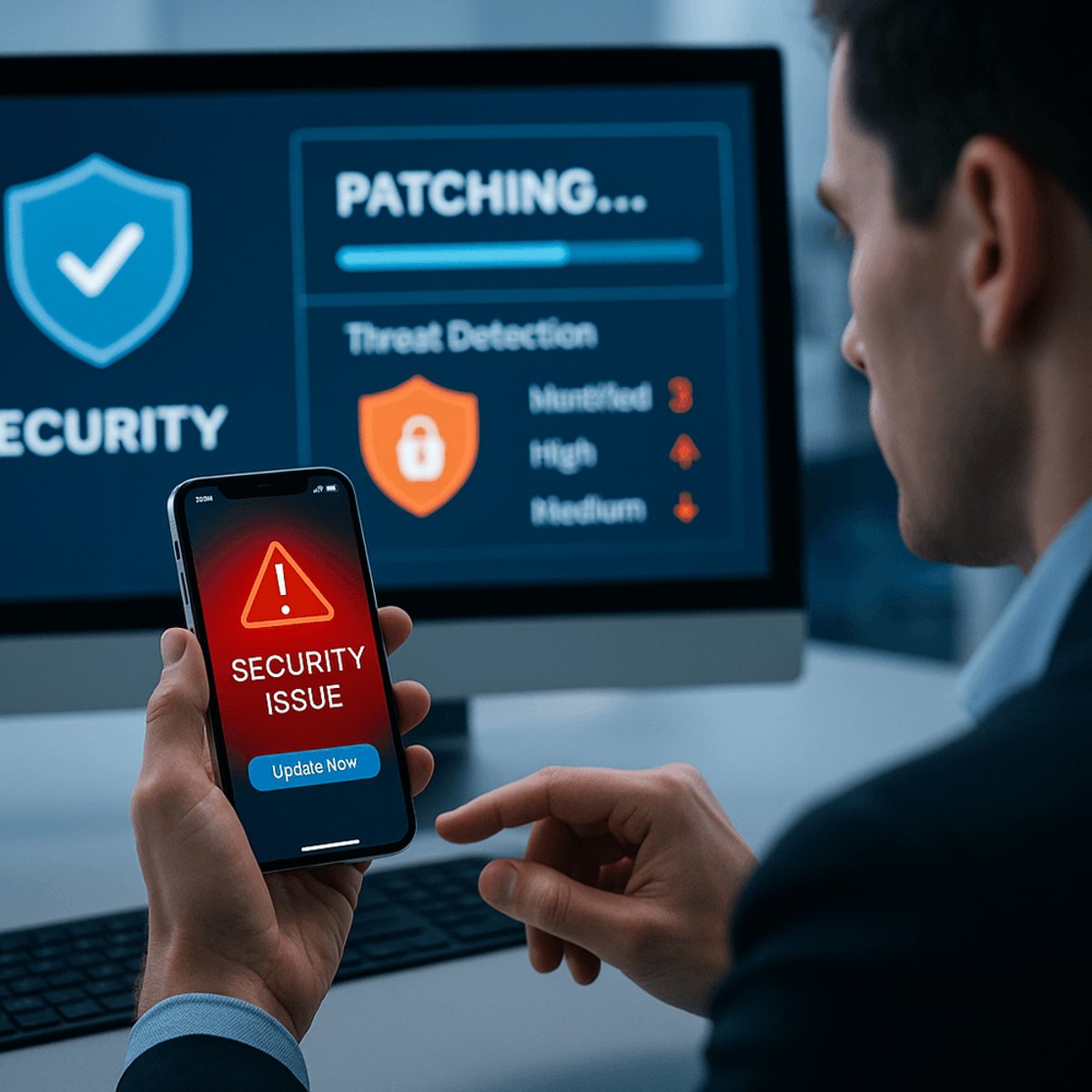
Apple is taking the unusual step of backporting security fixes to iOS 18, breaking from its typical update strategy as the DarkSword hacking tool spreads across the threat landscape. In an exclusive statement to WIRED, the company confirmed it will deploy iOS 18-specific patches rather than forcing millions of iPhone users to upgrade to iOS 26, marking a rare departure from Apple's standard security protocol.
Apple just made a security move that has the industry doing a double-take. The company confirmed to WIRED it's rolling out backported security fixes specifically for iOS 18 users, a strategy the Cupertino giant almost never employs. The reason? A hacking tool called DarkSword that's spreading fast enough to warrant breaking Apple's longstanding update protocols.
The decision marks a significant shift in Apple's security philosophy. For years, the company has operated on a simple principle: if you want the latest security protections, you update to the latest iOS version. Period. But with DarkSword actively exploiting vulnerabilities and millions of users still on iOS 18 - two major versions behind the current iOS 26 - Apple is choosing pragmatism over policy.
"As DarkSword spreads, Apple tells WIRED it will enable iOS 18-specific fixes for millions of iPhone owners who remain on that iOS version rather than force them to update to iOS 26," according to the original WIRED report. The statement reveals just how serious Apple considers the threat.
Backported patches - security fixes applied to older software versions rather than requiring users to upgrade - are common practice at companies like Microsoft and Google. But they're virtually unheard of in Apple's ecosystem. The company typically maintains that the safest iPhone is one running the latest software, using security updates as a carrot to drive adoption of new iOS releases.
The DarkSword tool itself represents a new breed of mobile exploit. While Apple hasn't disclosed specific technical details about the vulnerabilities DarkSword exploits, the company's willingness to backport fixes suggests the attack surface is both severe and actively being weaponized in the wild. Security researchers have noted an uptick in sophisticated iOS exploits over the past year, with nation-state actors and commercial spyware vendors increasingly targeting Apple's mobile platform.
What makes this particularly notable is the user base Apple is protecting. iOS 18 launched in 2024, making it a two-year-old operating system. Typically, users who haven't upgraded by now face a choice: update or accept the security risk. By backporting patches, Apple is acknowledging that forced upgrades aren't always practical - some users run older iOS versions due to device compatibility, enterprise requirements, or simply preference for a stable, familiar interface.
The move has immediate implications for enterprise security teams. Companies that standardized on iOS 18 for stability reasons can now maintain their current deployment while still protecting against DarkSword. That's a win for IT departments that have been caught between Apple's update-or-nothing approach and the operational reality of managing thousands of devices.
Security researcher groups are already analyzing what this means for Apple's broader security strategy. If backporting becomes standard practice for critical threats, it could signal a maturation of Apple's approach to long-term device support. Or it might simply be a one-time response to an exceptional threat. Either way, the precedent is now set.
The timing raises questions too. Apple is pushing these patches as iOS 26 adoption continues to ramp up, suggesting DarkSword posed enough of an immediate danger that waiting for natural update cycles wasn't an option. That kind of urgency from a company known for careful, measured security responses speaks volumes about the threat landscape.
For the millions of iPhone users still on iOS 18, the message is clear: a patch is coming, and you won't need to upgrade your entire OS to get it. For security researchers and enterprise IT teams, the bigger story is what comes next - whether Apple will continue backporting critical fixes or return to its update-first security model once the DarkSword threat is contained.
Apple's decision to backport security fixes to iOS 18 represents more than just a tactical response to the DarkSword threat - it's a potential inflection point in how the company balances security imperatives with user choice. Whether this becomes the new normal or remains a one-time exception to Apple's update-first philosophy will depend largely on how the threat landscape evolves. For now, millions of iPhone users get to stay on their preferred iOS version while still getting critical protection, and that's a rare win in the typically rigid world of Apple security policy.