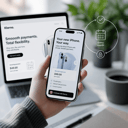
Apple just made owning your smartphone feel outdated. The company's freshly announced Upgrade program signals a fundamental shift in how consumers access premium devices - trading outright purchases for monthly subscriptions. It's a move that could reshape the entire smartphone industry, as Samsung and others watch closely to see if consumers are ready to rent rather than own the gadgets glued to their hands 24/7.
Apple isn't just selling iPhones anymore - it's renting them. The company's new Upgrade program represents the clearest signal yet that smartphone ownership as we know it is dying, replaced by a subscription model that promises perpetual access to the latest devices without the sticker shock of four-figure purchases.
The timing isn't accidental. Apple's services business has become a cash cow, pulling in more than $85 billion in 2025 alone. Now the company's applying that same subscription playbook to hardware, betting that consumers would rather pay monthly fees than drop $1,200 upfront for the latest iPhone. It's a fundamental rewiring of the smartphone business model, and one that could have massive ripple effects across the industry.
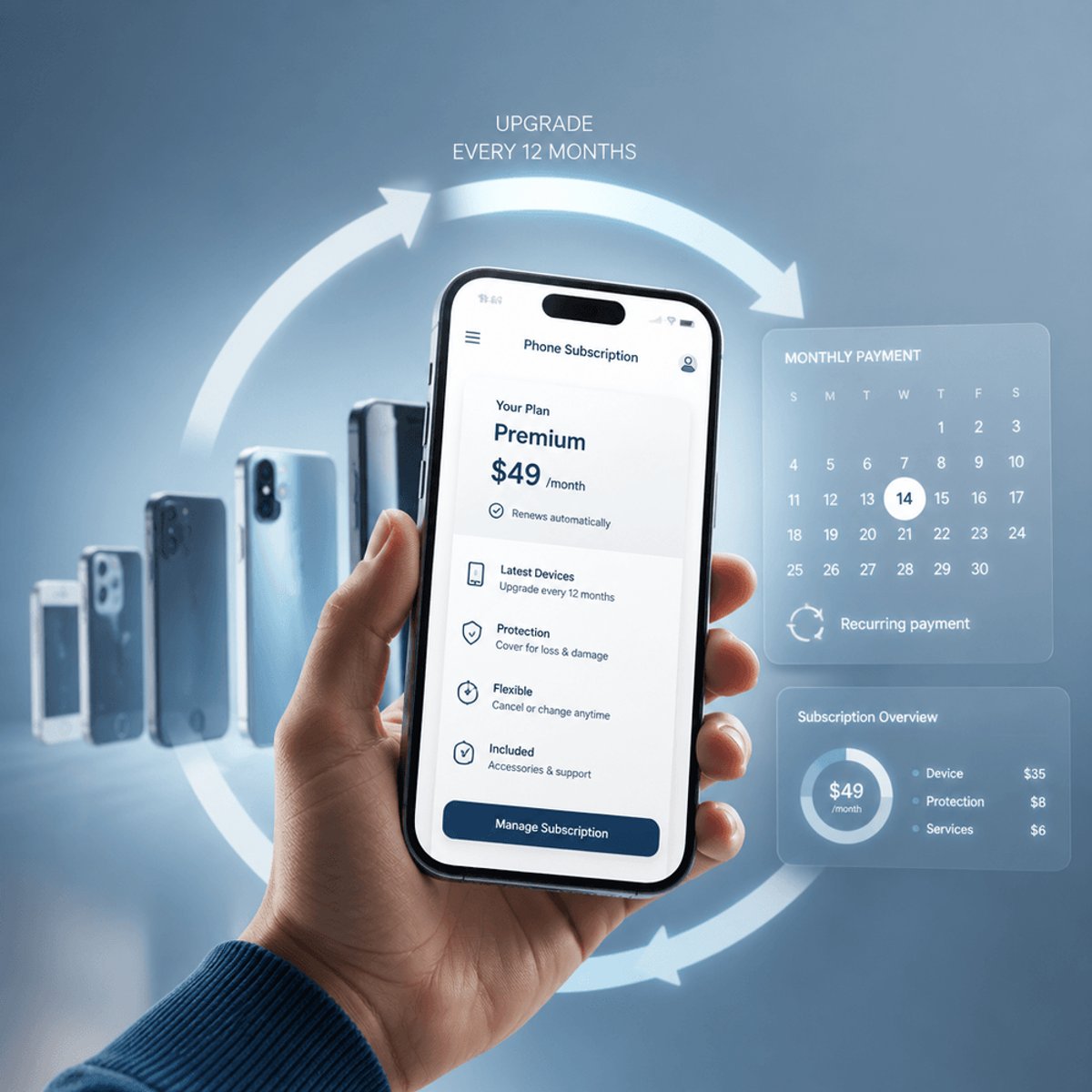
Here's how it works: instead of buying an iPhone outright or through carrier financing, subscribers pay a monthly fee for continuous access to Apple's latest hardware. Think of it like leasing a car, but for your phone. Upgrade when a new model drops, return your old device, and the cycle continues. No trade-in haggling, no selling on secondhand markets, no drawer full of obsolete phones.
The program builds on Apple's existing iPhone Upgrade Program, which launched back in 2015 but never really took off. This new iteration appears more aggressive, positioning subscription as the default rather than an alternative. Apple's clearly learned from its Apple Music and iCloud successes - consumers love predictable monthly billing when the value proposition makes sense.
But Samsung isn't sitting idle. The Korean giant's been testing similar waters with its own upgrade programs, and industry insiders expect a formal subscription offering soon. When the world's two largest smartphone makers both push subscriptions, the rest of the market tends to follow. We're likely looking at an industry-wide transformation within 18 to 24 months.
The economics work surprisingly well for manufacturers. Subscription models create predictable recurring revenue, the holy grail of modern business. They also accelerate upgrade cycles - subscribers get new phones annually rather than clinging to three-year-old devices. That means more units moving through the supply chain, even if individual purchase prices drop.
For consumers, the calculus gets trickier. Monthly payments feel more manageable than lump-sum purchases, sure. But over time, you're paying for continuous access without ever building equity. Buy an iPhone today for $1,200, and you own a device worth maybe $600 in two years. Subscribe for $50 monthly, and after two years you've paid $1,200 but own nothing. The convenience costs.
There's also the ecosystem lock-in factor. Once you're subscribed to Apple's hardware program, paired with Apple Music, iCloud storage, and Apple TV+, switching to Samsung or another Android manufacturer becomes exponentially harder. Apple's essentially building a walled garden around your entire digital life, and the monthly bills make the walls higher.
Environmental implications loom large too. Subscription models could accelerate the already problematic e-waste crisis if they encourage more frequent upgrades. Apple talks a good game about recycling and sustainability, but the fundamental tension remains - a business model predicated on constant hardware turnover doesn't naturally align with environmental responsibility.
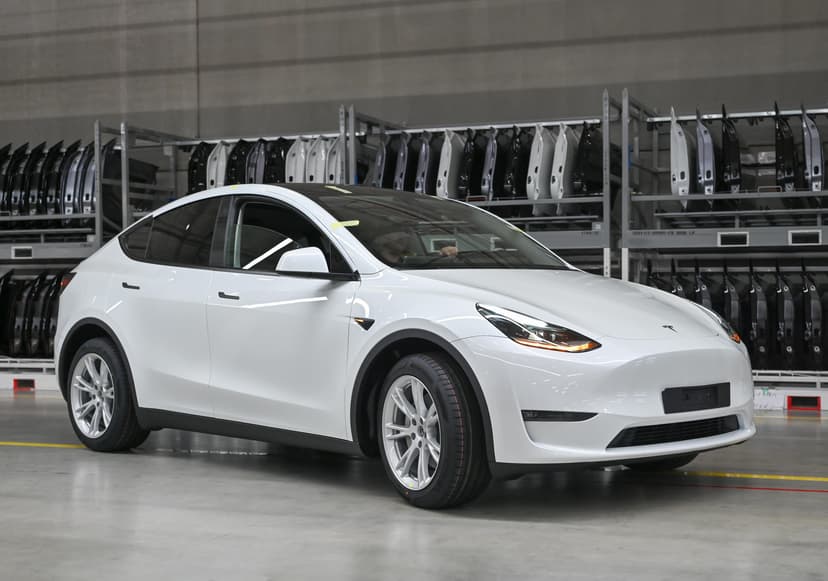
The broader tech industry's been moving this direction for years. Adobe killed perpetual software licenses in favor of Creative Cloud subscriptions. Microsoft pushed Office 365. Even car manufacturers like Tesla now sell software features as subscriptions. Apple's just applying the same logic to physical hardware at massive scale.
Early adoption will likely skew toward Apple's most loyal customers - the folks who upgrade annually anyway and already subscribe to multiple Apple services. But if the program gains traction, it could fundamentally reshape consumer expectations about technology ownership across categories. Why buy a laptop, tablet, or smartwatch when you could subscribe?
The program also gives Apple tighter control over the secondary market. Right now, millions of used iPhones circulate through resellers, carriers, and peer-to-peer platforms. Apple sees none of that revenue. With subscriptions, devices return to Apple directly, allowing the company to refurbish and redeploy them through official channels. It's vertical integration at its finest.
Apple's subscription push isn't just about changing how we pay for phones - it's about changing what ownership means in the digital age. If this model takes hold, we're looking at a future where consumers perpetually rent access to technology rather than owning it outright. That's great for manufacturers' balance sheets and probably convenient for users who want the latest devices without thinking about it. But it also represents a fundamental shift in the relationship between people and their devices, with implications for everything from consumer rights to environmental sustainability. Whether that's progress or just another way to extract more money from our wallets depends entirely on which side of the transaction you're on.