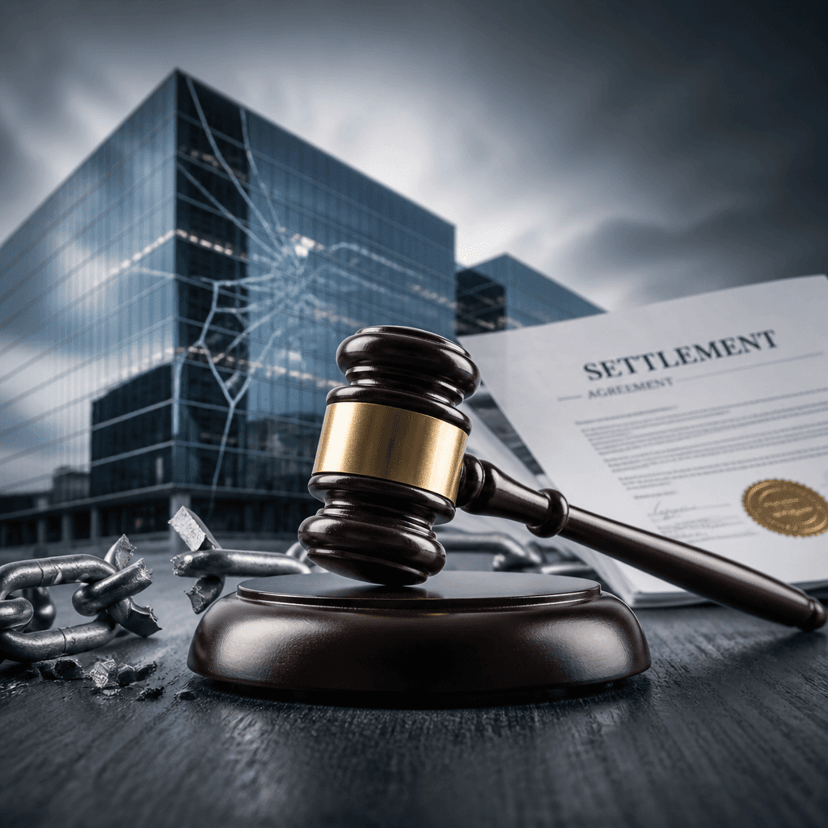
Elon Musk's X just closed the book on a bruising legal battle that's defined the platform's rocky relationship with advertisers since the billionaire's $44 billion takeover. The social network reached a settlement with the World Federation of Advertisers, ending a lawsuit that accused the industry group of orchestrating what X called a "systematic illegal boycott" that gutted its ad revenue starting in late 2022.
X and the World Federation of Advertisers have quietly ended their legal standoff, closing a contentious chapter that exposed deep fractures between Musk's platform and the advertising industry it depends on for survival. The settlement comes nearly two years after X filed the explosive lawsuit in 2024, accusing the Brussels-based trade organization of coordinating an advertiser pullout that sent the platform's revenue into freefall.
The lawsuit was always about more than just money. When Musk completed his $44 billion acquisition of Twitter in October 2022, advertisers were already nervous. His immediate moves - mass layoffs that decimated content moderation teams, policy reversals on banned accounts, and public feuds with brands - sent major advertisers running for the exits. By the time X filed suit in 2024, the platform had reportedly lost more than 60% of its advertising revenue compared to pre-acquisition levels.
X's legal strategy centered on allegations that the World Federation of Advertisers, which represents major global brands and agencies, had orchestrated what court filings described as a coordinated boycott. The platform argued this collective action violated antitrust laws, claiming the trade group leveraged its influence to pressure members into abandoning X en masse. The WFA countered that advertisers were making independent decisions based on legitimate brand safety concerns.
The timing of the settlement is telling. X has been scrambling to diversify its revenue streams, rolling out subscription products like X Premium and experimenting with creator monetization tools. But advertising still accounts for the bulk of the platform's income, and rebuilding those relationships has become existential. Linda Yaccarino, who joined as CEO in June 2023 with deep ties to the advertising world, has made ad revenue recovery her top priority.
Neither party disclosed settlement terms, and both declined to comment beyond confirming the case had been resolved. That silence speaks volumes about the delicate dance happening behind the scenes. X needs advertisers back, but can't appear desperate. Advertisers want assurances about brand safety and content moderation, but don't want to publicly validate X's boycott allegations.
The settlement doesn't erase the fundamental tensions that sparked the exodus. Major brands remain wary about appearing next to controversial content, and Musk's unpredictable public statements continue to give marketing executives heartburn. But it does clear away a significant legal obstacle and potentially opens the door for renewed conversations.
Industry observers note that some major advertisers have been quietly testing the waters on X again in recent months, running limited campaigns while monitoring performance and brand safety metrics. The platform's user engagement numbers remain strong despite the controversies, and that audience reach is hard for advertisers to ignore completely.
What happens next will determine whether this settlement represents a genuine thaw in relations or just a legal formality. X is betting that by removing the adversarial legal framework, it can begin rebuilding trust one advertiser at a time. The WFA, meanwhile, has signaled that its members will continue making independent decisions based on their brand guidelines and values.
For Musk, the settlement removes a persistent headache but doesn't solve the underlying credibility problem. The platform needs to prove it can provide a stable, brand-safe environment while maintaining the free speech principles Musk champions. That balancing act has proven elusive, and settling a lawsuit doesn't automatically reset the relationship dynamics that fractured in the first place.
The settlement between X and the World Federation of Advertisers closes a legal chapter but leaves the harder work of relationship repair ahead. X can now focus on proving it's a viable advertising platform without the distraction of courtroom battles, while advertisers get to make decisions without the shadow of antitrust allegations. Whether this translates to brands actually returning in meaningful numbers depends on factors no settlement agreement can address - content moderation consistency, platform stability, and whether Musk can resist the impulse to alienate the very advertisers his business depends on. The legal peace is real, but the commercial reconciliation is just beginning.