Tesla is facing its largest federal safety investigation in years. The National Highway Traffic Safety Administration just opened a preliminary probe into nearly 1.2 million vehicles after 156 complaints about suspension failures that could cause drivers to lose control without warning. The investigation covers 2018-2020 Model 3 and 2021-2023 Model Y vehicles, representing a significant portion of Tesla's fleet on American roads and raising fresh questions about the company's quality control practices.
Tesla just got hit with a major regulatory headache. The National Highway Traffic Safety Administration opened a preliminary investigation into nearly 1.2 million vehicles after receiving complaints about a suspension component that can suddenly detach, potentially causing drivers to lose steering control, Reuters first reported.
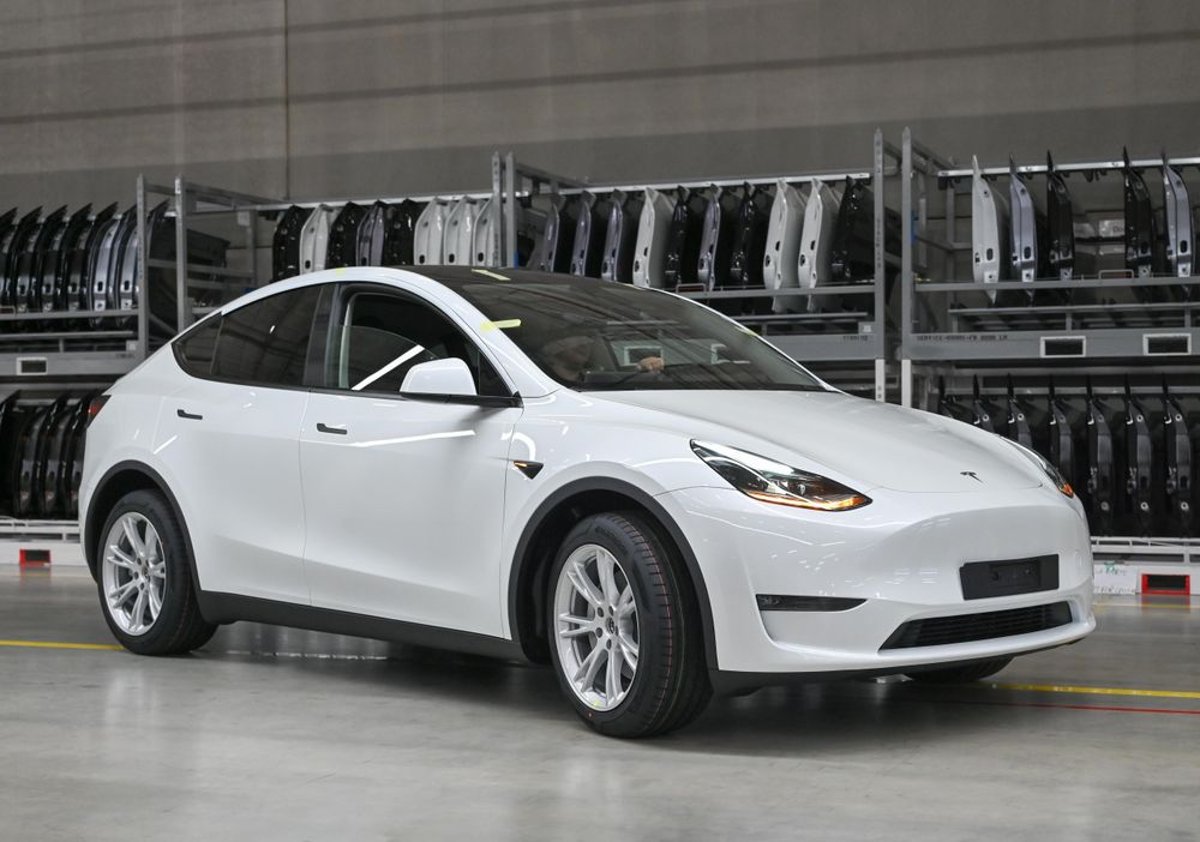
The scope is massive. According to NHTSA's Office of Defects Investigation filing, the probe covers 2018-2020 Model 3 sedans and 2021-2023 Model Y crossovers, two of Tesla's best-selling vehicles. The agency received 156 complaints describing what it calls "detachment of the front lower lateral link," a critical suspension component that helps maintain wheel alignment and vehicle stability.
What makes this particularly concerning is the lack of warning. In most cases the NHTSA reviewed, the failure happened suddenly. Some drivers reported hearing unusual noises before the component gave out, but many experienced no advance indication that something was wrong. When a lateral link detaches while driving, it can result in "a loss of vehicle directional control," the kind of failure that turns a routine commute into a potential crash scenario.
This isn't Tesla's first dance with suspension concerns. The company has faced scrutiny over build quality and component durability throughout its rapid scaling phase. But the sheer number of vehicles involved here, combined with the safety-critical nature of the defect, puts this investigation in a different category. We're talking about more than a million vehicles that could potentially need inspection or repair.
The preliminary investigation represents the first stage of NHTSA's process. If the agency finds evidence of a widespread defect, it can upgrade to a formal engineering analysis, which often leads to recalls. Tesla hasn't issued a statement on the probe yet, and the company famously disbanded its PR department years ago, making official comment increasingly rare.
For Tesla, the timing adds another layer of complexity. The company is already juggling production ramps for new models, navigating price competition in key markets like China, and managing CEO Elon Musk's divided attention across multiple companies. A large-scale recall would be costly not just financially but also in terms of brand perception, especially as traditional automakers ramp up their EV offerings with heavy emphasis on reliability and safety.
The investigation also highlights broader questions about how quickly automakers can scale production while maintaining quality control. Tesla's breakneck growth from niche manufacturer to volume producer happened faster than almost any comparable automotive expansion in history. That speed brought innovation and market disruption, but it may also have introduced quality trade-offs that are only becoming apparent as vehicles age and accumulate mileage.
From a regulatory standpoint, NHTSA's been increasingly aggressive about probing potential defects in newer EV models. The agency opened investigations into Tesla's Autopilot system, battery fires, and phantom braking issues over the past few years. This suspension probe adds to a growing list of federal oversight actions that could shape how the company approaches safety and quality moving forward.
What happens next depends on what NHTSA's investigators find when they dig into complaint data, warranty claims, and technical analysis of the lateral link failures. If there's a clear pattern pointing to a design or manufacturing defect, Tesla could face pressure to issue a voluntary recall before NHTSA makes it mandatory. The company has issued recalls before, often handling them through over-the-air software updates when possible, but a mechanical suspension issue would require physical repairs at service centers.
For the 1.2 million owners of affected vehicles, the immediate question is whether to keep driving or seek inspection. NHTSA hasn't issued a warning to stop using the vehicles, which suggests the agency doesn't consider the risk imminent enough to warrant that level of alarm. But drivers reporting unusual noises or handling changes should probably get their suspension checked sooner rather than later.
This investigation represents more than just another regulatory speed bump for Tesla. With 1.2 million vehicles under scrutiny for a safety-critical suspension defect, the company faces potential recall costs, brand reputation damage, and intensified federal oversight at a time when competition in the EV market is fiercer than ever. For owners of 2018-2020 Model 3s and 2021-2023 Model Ys, the next few months will determine whether this stays a preliminary probe or escalates into a full-scale recall campaign. Either way, it's a reminder that even the most innovative automakers can't escape the fundamentals of mechanical reliability and safety engineering.