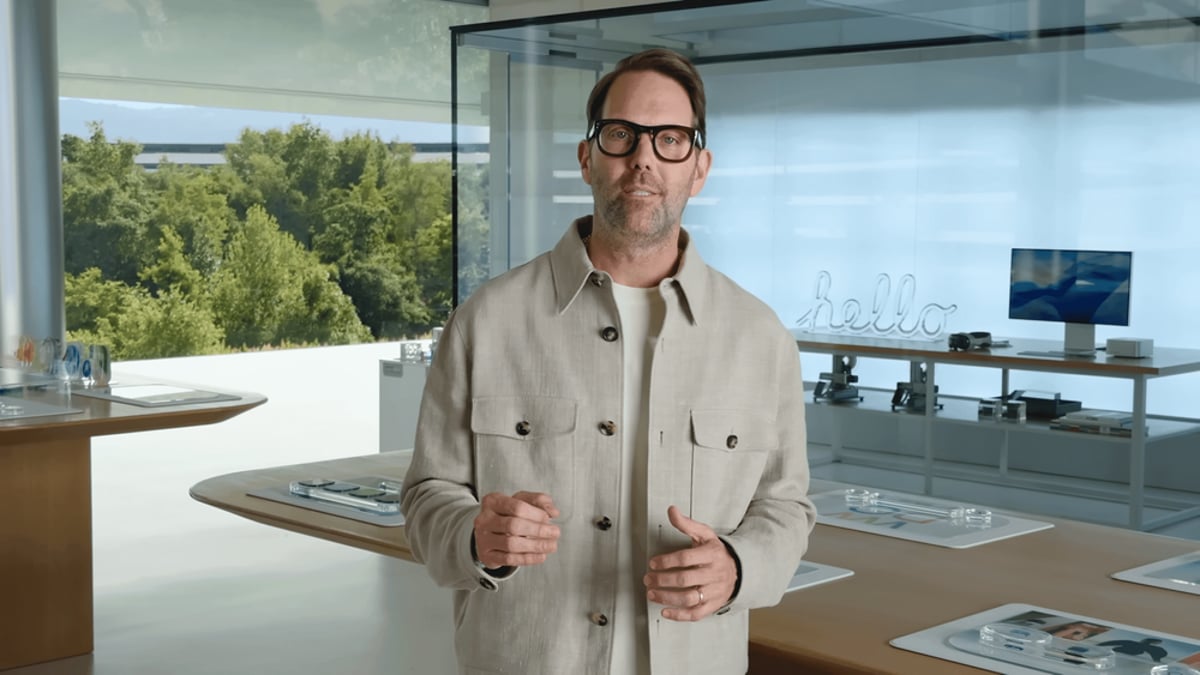
In a stunning move that signals the escalating talent war between tech giants, Apple's longtime UI design chief Alan Dye is leaving to become Meta's chief design officer. The departure of a 10-year Apple veteran who shaped the look of iOS comes as both companies race to dominate the AI-driven future of computing interfaces.
Apple just lost one of its most influential design voices to its biggest rival. Alan Dye, who has shaped the visual DNA of iOS and Apple's entire interface ecosystem since 2015, is jumping ship to Meta in what industry insiders are calling a major coup for Mark Zuckerberg's company.
The move, first reported by Bloomberg, sends shockwaves through Silicon Valley's design community. Dye will officially start as Meta's chief design officer on December 31st, reporting directly to CTO Andrew Bosworth and overseeing what Bloomberg describes as "hardware, software and AI integration for its interfaces."
But here's the kicker - Meta isn't just hiring Dye, it's building around him. The company is opening an entirely new design studio, signaling that this isn't just another executive poaching but a strategic play to reimagine how people interact with Meta's sprawling ecosystem of apps, VR headsets, and AI tools.
"Steve Lemay has played a key role in the design of every major Apple interface since 1999," CEO Tim Cook told Bloomberg in a statement, announcing Dye's replacement. "He has always set an extraordinarily high bar for excellence and embodies Apple's culture of collaboration and creativity." The words read like damage control for a company that's hemorrhaging design talent.
Dye's departure cuts especially deep because of the timing. Apple is facing its biggest design challenges in years, trying to integrate AI features seamlessly into iOS while maintaining the clean aesthetic that's defined the brand since the iPhone launched. His exit comes just as the company needs experienced hands to navigate the shift toward AI-first interfaces.
The leadership shuffle also reveals how Apple's internal power structure has shifted. Following former COO Jeff Williams' retirement last month, the design team now reports directly to Tim Cook - a sign that Apple recognizes design's critical importance but also suggesting potential organizational strain.
For Meta, landing Dye represents a masterstroke in its broader transformation from social media company to "metaverse" infrastructure provider. His expertise in mobile interface design could prove crucial as Meta tries to make its Ray-Ban smart glasses and Quest VR headsets feel as intuitive as an iPhone. The company's bet on AI integration across all its products also aligns perfectly with Dye's track record of unifying design languages across multiple Apple platforms.
Dye's move is part of a broader exodus from Apple's design ranks. The company has lost numerous key designers over the past several years, a trend that began accelerating after design legend Jony Ive's departure in 2019. Earlier this week, AI chief John Giannandrea announced his retirement, and Bloomberg reports that chips lead Johnny Srouji is "evaluating his future" at the company.
This talent drain comes at a precarious moment for Apple. The company is trying to prove it can compete with OpenAI, Google, and Meta in the AI race while maintaining its premium brand positioning. Losing the person responsible for the visual coherence across iOS, macOS, and Apple's entire software ecosystem creates both immediate design challenges and longer-term strategic risks.
The tech industry's talent war has reached fever pitch, with companies increasingly willing to pay premium prices and offer expanded roles to lure away competitors' top performers. Dye's move to Meta suggests the battle lines are being redrawn around AI and interface design, two areas where both companies see existential stakes in the coming decade.
Dye's departure represents more than just another executive move - it's a signal that the competition for design talent has reached new heights as tech giants race to define the AI-powered interfaces of tomorrow. For Apple, it's a loss that goes beyond individual expertise, potentially disrupting the design continuity that's been central to the company's brand. For Meta, it's validation that top-tier talent sees the company's AI and metaverse vision as compelling enough to abandon the relative stability of Cupertino for the uncertainty of building something entirely new.