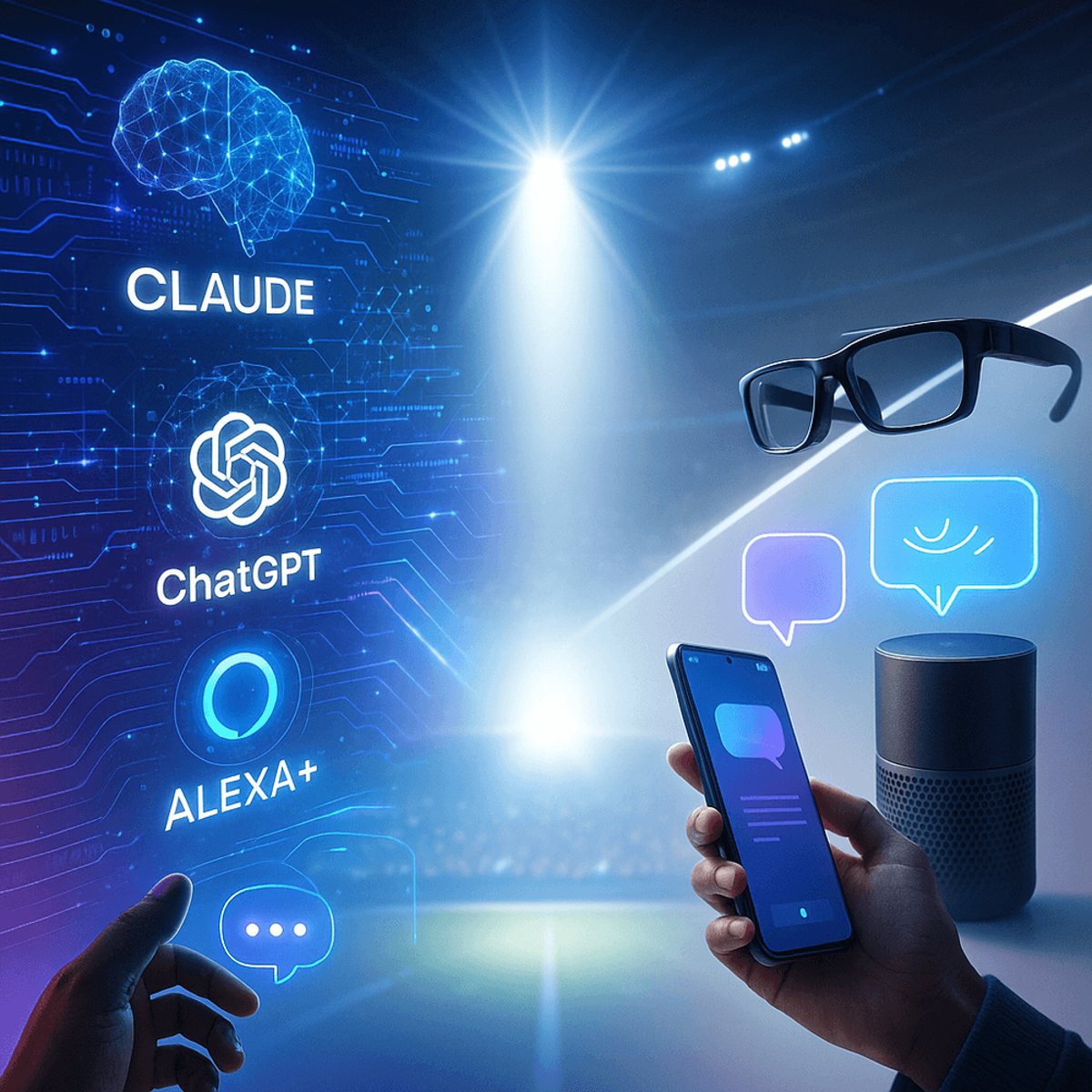
AI didn't just sponsor Super Bowl LX - it became the main attraction. Svedka broke ground with what it calls the first primarily AI-generated national Super Bowl commercial, while Anthropic used its multimillion-dollar slot to take a public shot at OpenAI. The 2026 Big Game marked a turning point where AI evolved from marketing buzzword to both creative tool and product star, igniting fierce debates about creativity, competition, and the future of advertising itself.
Svedka just made Super Bowl history - and not everyone's celebrating. The vodka brand rolled out what it's calling the first primarily AI-generated national Super Bowl commercial, a 30-second spot featuring its robot mascot Fembot and newcomer Brobot dancing at a human party. According to parent company Sazerac, it took roughly four months to reconstruct the Fembot character and train AI systems to mimic facial expressions and body movements, The Wall Street Journal reported.
But here's the catch - Svedka partnered with Silverside AI, the same team behind those controversial AI-generated Coca-Cola commercials that sparked backlash late last year. While humans still developed the storyline, the heavy AI involvement is fueling heated debates about whether algorithms will replace creative professionals. It's a bold gamble during an event known for star-studded, high-production advertising.
Meanwhile, Anthropic wasn't interested in playing nice. The AI startup's commercial didn't just promote its Claude chatbot - it threw direct shade at rival OpenAI. With the tagline "Ads are coming to AI. But not to Claude," the spot poked fun at OpenAI's recent announcement that ChatGPT would start showing targeted advertisements. The commercial satirized the concept of AI assistants suddenly hawking products like "Step Boost Maxx" insoles mid-conversation.
The jab didn't go unnoticed. OpenAI CEO Sam Altman fired back on social media, calling Anthropic's ad "clearly dishonest" in what quickly escalated into a public spat. While we didn't get another Kendrick vs. Drake rap battle this year, the tech world got its own version - a nerdy AI showdown between two of the industry's biggest players.
Meta took a different approach, spotlighting its Oakley-branded AI glasses designed for extreme sports and adventures. The commercial featured thrill-seekers from skydivers to mountain bikers using the wearable tech to capture epic moments, with appearances from internet personality IShowSpeed and filmmaker Spike Lee. The glasses can film basketball dunks in slow motion and post hands-free to Instagram, building on Meta's Ray-Ban smart glasses push from last year's Super Bowl.
Amazon leaned into dark comedy with Chris Hemsworth starring in a satirical "AI is out to get me" storyline. The ad exaggerates common AI fears, showing Alexa+ closing garage doors on Hemsworth's head and trapping him under pool covers. Beyond the jokes, it introduced the upgraded Alexa+ assistant with enhanced intelligence for managing smart homes and planning vacations. The service officially launched to all U.S. users just days before the game after over a year in early access.
Ring, Amazon's security camera subsidiary, showcased its AI-powered "Search Party" feature that helps reunite lost pets with their owners. The commercial followed a young girl searching for her dog Milo, demonstrating how users can upload pet photos that AI then matches against footage from Ring's community camera network. The company recently opened the feature to anyone, even non-Ring owners, after reportedly reuniting more than one lost dog with its owner every single day.
Google promoted its Nano Banana Pro image-generation model through a heartwarming spot featuring a mother and son designing their new home. The commercial showed them uploading photos of bare rooms and transforming them into personalized spaces with simple AI prompts, highlighting the model's practical applications.
The B2B sector made a surprising showing too. Spend management platform Ramp tapped Brian Baumgartner - Kevin from "The Office" - for a commercial about AI-powered automation helping him "multiply" himself to tackle mountains of work. Cloud workforce platform Rippling dropped its first-ever Super Bowl ad featuring comedian Tim Robinson in a spot about onboarding an alien monster, poking fun at HR headaches while promoting AI automation.
Website builder Wix showcased its new AI-powered Harmony platform, promising site creation as easy as chatting with a friend through "vibe coding" and visual editing. The move comes as competitor Squarespace also ran a Super Bowl ad, though with a more cinematic approach starring Emma Stone and directed by Yorgos Lanthimos.
Even health company Hims & Hers got in on the action, using its spot to address healthcare access disparities while subtly referencing Jeff Bezos' Blue Origin spaceflight and Bryan Johnson's expensive anti-aging routines. The company has integrated AI-powered "MedMatch" tools to deliver personalized treatment recommendations for mental health and wellness.
The 2026 Super Bowl ads signal a fundamental shift in how companies are thinking about AI - not just as a backend technology but as a consumer-facing feature worth promoting on advertising's biggest stage. With 30-second spots reportedly costing upwards of $8 million, these brands are betting big that mainstream audiences are ready to embrace AI in their daily lives. Whether that bet pays off remains to be seen, but one thing's certain: AI has officially graduated from tech conference demos to prime-time spectacle.
Super Bowl LX marked the moment AI crossed from enterprise tool to mainstream marketing spectacle. From Svedka's controversial AI-generated production to Anthropic and OpenAI's public feud, the ads revealed both AI's creative potential and the industry tensions simmering beneath the surface. As tech giants and startups alike bet millions on prime-time AI promotion, the real competition isn't just happening on the football field - it's in living rooms across America, where companies are racing to convince consumers that AI assistants, smart glasses, and automated tools deserve a place in their daily routines. The question now isn't whether AI will reshape advertising, but whether audiences will embrace or resist the change.