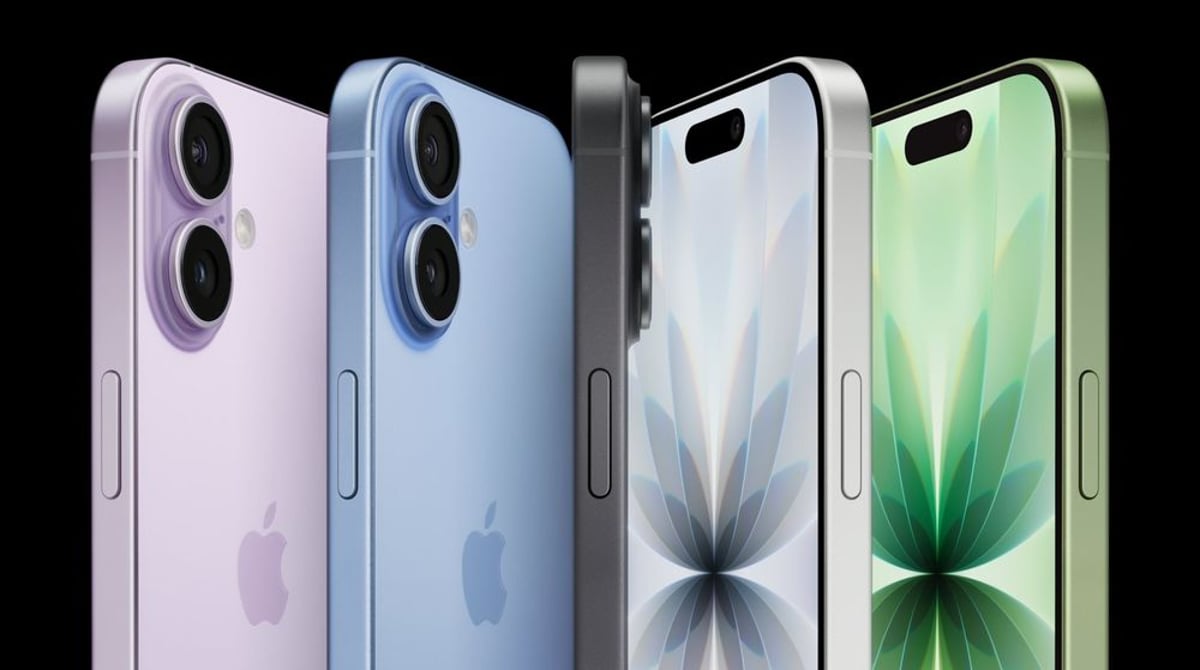
Apple just delivered its most AI-restrained product event in years. Despite CEO Tim Cook calling the iPhone 17 the company's "biggest leap ever," Apple Intelligence barely got a mention during the 75-minute presentation. This strategic shift comes as the company bleeds AI talent to competitors, with at least 10 researchers departing recently including four just last week.
Apple just sent a clear signal about where it stands in the AI wars - and it's not where CEO Tim Cook wants to be. The company's much-anticipated iPhone 17 event this week featured a telling absence: virtually no mention of artificial intelligence during what should have been AI's biggest stage.
The shift is jarring. Last year's iPhone 16 launch was packed with AI promises that ultimately disappointed when flagship Apple Intelligence features failed to materialize as promised. This time, Cook and his team took a dramatically different approach during the 75-minute presentation - shorter than usual and conspicuously light on AI buzzwords.
"We're taking the biggest leap ever for iPhone," Cook declared during the livestreamed event. But when it came to the AI features that were supposed to define this generation, Apple barely whispered. The company mentioned how its neural engine powers Apple Intelligence and how local large language models improve gaming performance, but stopped short of the consumer-facing AI showcase that defined competitors' recent launches.
The contrast with rivals couldn't be starker. Google's Pixel 10 unveiling last month put AI front and center, while Samsung made Gemini integration a cornerstone of its January event. Apple's approach felt almost defensive - highlighting how AI works behind the scenes rather than as a marquee selling point.
This strategic retreat comes at a particularly awkward time for Apple's AI ambitions. The company has been hemorrhaging AI talent, with at least 10 researchers departing its AI research division recently. Just last week, four key researchers left, including robotics lead Jian Zhang who jumped to Meta. Two others headed to OpenAI, and another joined Anthropic.
The talent exodus reflects the brutal economics of today's AI race. OpenAI commands a $300 billion valuation and reportedly expects to burn through $115 billion by 2029. Anthropic just raised $13 billion at a $183 billion valuation. Meta has spent billions poaching top researchers after investing over $14 billion in Scale AI alone.
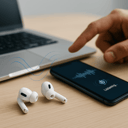
Apple's more measured approach extended to its other product announcements. When discussing the new AirPods, executives emphasized live translation and heart rate monitoring - practical applications rather than flashy AI assistants. The company highlighted how its computational models combine with Apple Intelligence for translation features, but avoided the kind of AI-first messaging that Google used for its budget Pixel Buds 2A.
Even the Apple Watch presentation felt restrained. Executives talked about machine learning algorithms analyzing blood pressure patterns over 30-day periods, backed by studies involving over 100,000 participants. Dr. Sumbul Desai, Apple's VP of health, said the company hopes to "notify over one million people with undiagnosed hypertension in the first year alone" pending FDA clearance. But these felt like incremental health improvements rather than AI breakthroughs.
The strategy makes tactical sense. Apple's previous AI promises created expectations the company couldn't meet, leading to public disappointment when features rolled out late or didn't work as advertised. By focusing on hardware improvements and behind-the-scenes AI enhancements, Apple avoids over-promising while giving its engineering teams time to catch up.
But the approach also signals that Apple recognizes it's playing from behind in the AI race. While competitors rush to integrate large language models and agentic AI into consumer experiences, Apple is taking the safer route of steady, incremental progress. The company is building neural accelerators into each GPU core to deliver "MacBook Pro-levels of compute in an iPhone," but it's not ready to make AI assistants the centerpiece of its ecosystem.
Industry watchers note this isn't necessarily a losing strategy. Apple has historically succeeded by perfecting established technologies rather than pioneering new categories. The company's approach to smartphones, tablets, and smartwatches followed this playbook - entering markets after competitors but delivering more polished experiences.
The question is whether Apple can execute this strategy fast enough. The AI landscape moves at breakneck speed, and consumer expectations are rising rapidly. Features that seemed cutting-edge six months ago now feel routine, and the bar for "good enough" AI keeps climbing.
Apple's visual intelligence features and live translation capabilities - the few AI tools it did highlight - were already showcased at WWDC in June. More troubling, these features aren't particularly novel anymore. Google and Samsung introduced comparable capabilities a year ago or more.
Apple's AI-light iPhone 17 event reveals a company in strategic retreat, choosing steady progress over flashy promises. While this approach might avoid the disappointment that followed last year's overhyped launch, it also signals Apple's acknowledgment that it's trailing in the AI race. The real test will be whether Cook's team can execute this more measured strategy fast enough to remain competitive as rivals integrate increasingly sophisticated AI into everyday experiences. For a company that built its reputation on being ahead of the curve, playing catch-up in AI represents both a humbling moment and a crucial inflection point.