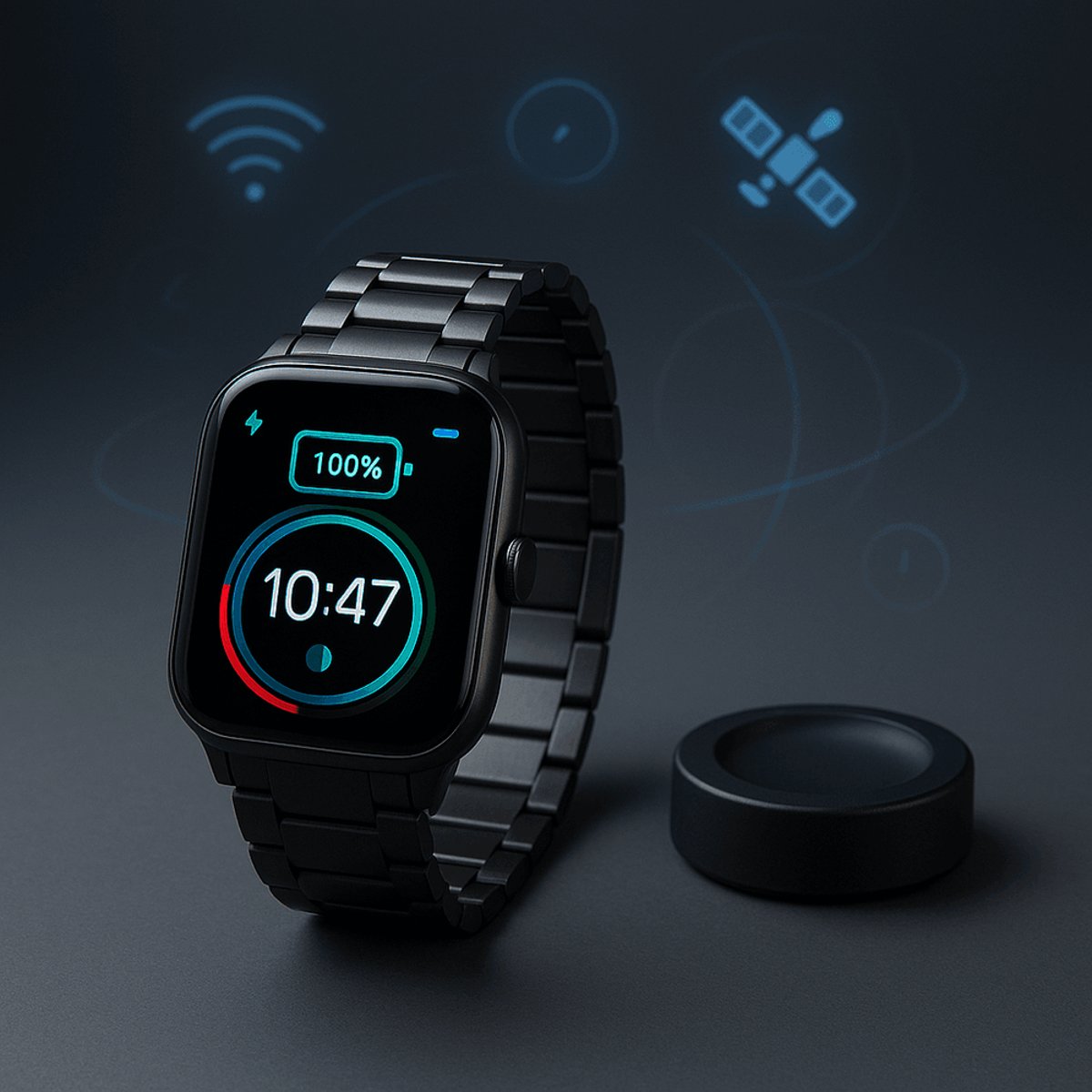
Apple just delivered the upgrade Watch fans have been demanding for years. The new Series 11 finally achieves true 24-hour battery life, letting users sleep with their watch and wake up with 58% charge remaining. Combined with satellite messaging and 5G connectivity, this marks the first time in years that upgrading makes complete sense - even for recent Watch owners.
Apple has been promising better Apple Watch battery life for years, delivering half-measures like Low Power mode and faster charging while the core 18-hour limitation persisted. That changes now. The Apple Watch Series 11 represents the most significant battery breakthrough since the original Watch launched a decade ago.
After wearing the Series 11 through a full day and overnight sleep tracking, WIRED's Adrienne So woke up with 58% battery remaining. That's not a typo - users can now wear their watch to bed, wake up, get kids to school, and charge at their desk without the constant battery anxiety that's plagued the platform.
This battery leap transforms how the Watch integrates into daily life. "Many users, including my own spouse, did not wear the Apple Watch to sleep, just because it was too annoying to wake up with a drained watch," So notes. Being able to wear the watch for 24 hours straight, instead of skipping one-third of each day, fundamentally changes the value proposition.
The Series 11 maintains the slim profile of last year's Series 10, available in 42mm and 46mm sizes with aluminum ($399-$449) and titanium ($699-$749) finishes. But the real story lies beneath the familiar design - Apple's new S11 chip delivers the efficiency gains that finally made true all-day battery life possible.
Beyond battery life, the Series 11 introduces satellite connectivity that works where cellular coverage fails. During off-grid camping tests, So confirmed satellite messaging functioned reliably, with the watch guiding users toward optimal satellite positioning. This feature alone justifies upgrading for outdoor enthusiasts who frequently venture beyond cell towers.
The cellular model now supports 5G, though real-world benefits remain modest for typical watch usage. "I am not watching videos or playing Bloons on the watch, but my music did download slightly faster while running," So observes. The upgrade feels more future-proofing than immediate transformation.
Health features receive significant updates through watchOS 26. The most noteworthy addition: hypertension notifications that monitor blood pressure patterns through the optical heart rate sensor. Apple developed this feature using data from over 100,000 participants, though it requires 14 days of baseline monitoring before notifications activate.
Blood oxygen sensing returns permanently after lengthy patent disputes with Masimo finally reached resolution. The feature that became a legal battlefield is now standard across all new models, removing a major competitive disadvantage.
Sleep tracking gets enhanced with Sleep Score calculations that factor duration, bedtime consistency, and interruption frequency. The scoring remains optimistic - even tent-flooding camping nights earned near-perfect ratings - but focuses on actionable metrics users can control.
The new Apple Watch SE 3 at $249 brings many Series 11 health features to the budget tier, including wrist temperature sensing and sleep apnea detection previously reserved for premium models. For families seeking affordable health monitoring, the SE 3 represents exceptional value.
Apple Watch Ultra 3 extends battery life to 42 hours, up from the Ultra 2's 36 hours. This truly enables weekend adventures without charging - So confirmed the Ultra 3 lasted from Friday morning through Sunday morning during camping with navigation, satellite messaging, and activity tracking.
The AI-powered Workout Buddy feature needs refinement. Currently limited to cheerfully announcing current stats "with a disturbing amount of vocal fry," the feature lacks the nuanced encouragement that makes human workout partners valuable.
Liquid Glass design elements appear subtly throughout watchOS 26, most prominently in the new Flow watch face featuring glowing blobs behind clear numerals. The aesthetic feels understated compared to initial previews, though practical faces like Waypoint offer more utility for daily use.
For the first time in years, Apple delivers an Apple Watch upgrade that justifies the expense even for recent owners. The battery breakthrough alone removes the platform's biggest limitation, while satellite connectivity adds genuine utility for outdoor activities.
Users with Series 3 or 4 models should definitely upgrade - the combination of 24-hour battery life, modern health features, and satellite connectivity represents a generational leap. Even Series 9 and 10 owners might find the satellite features and extended battery life compelling enough to justify the switch.
The Apple Watch Series 11 finally delivers on promises Apple has been making for years. True 24-hour battery life eliminates the platform's biggest frustration, while satellite messaging adds genuine utility for users who venture beyond cellular coverage. This isn't just an incremental update - it's the upgrade that transforms the Apple Watch from a daily charging companion into a truly wearable computer. For anyone with a Series 3 or 4, this is your year to upgrade.