Apple just unveiled its next-generation smartwatch lineup at today's 'Awe dropping' event, and we got hands-on time with all three models. The Series 11, Ultra 3, and SE 3 pack 5G connectivity, enhanced health monitoring, and battery improvements that could reshape the wearables market. Here's what actually matters from our first impressions.
Apple isn't reinventing the smartwatch wheel, but the company's latest wearable refresh brings some genuinely compelling upgrades that could make 2025 the year more people finally jump into the ecosystem. After spending time with all three new models at today's launch event, the standout story isn't the flagship Series 11 – it's how good the budget SE 3 has become.
The Apple Watch SE 3 represents the biggest value proposition shift in the lineup. Starting at $249 for the 40mm model, this entry-level device now includes features that were premium just two years ago. The always-on display finally arrives on the SE line, along with sleep apnea detection, 5G cellular speeds, and what Apple claims is twice-as-fast charging. Battery life jumps to 18 hours, matching the previous generation's flagship performance.
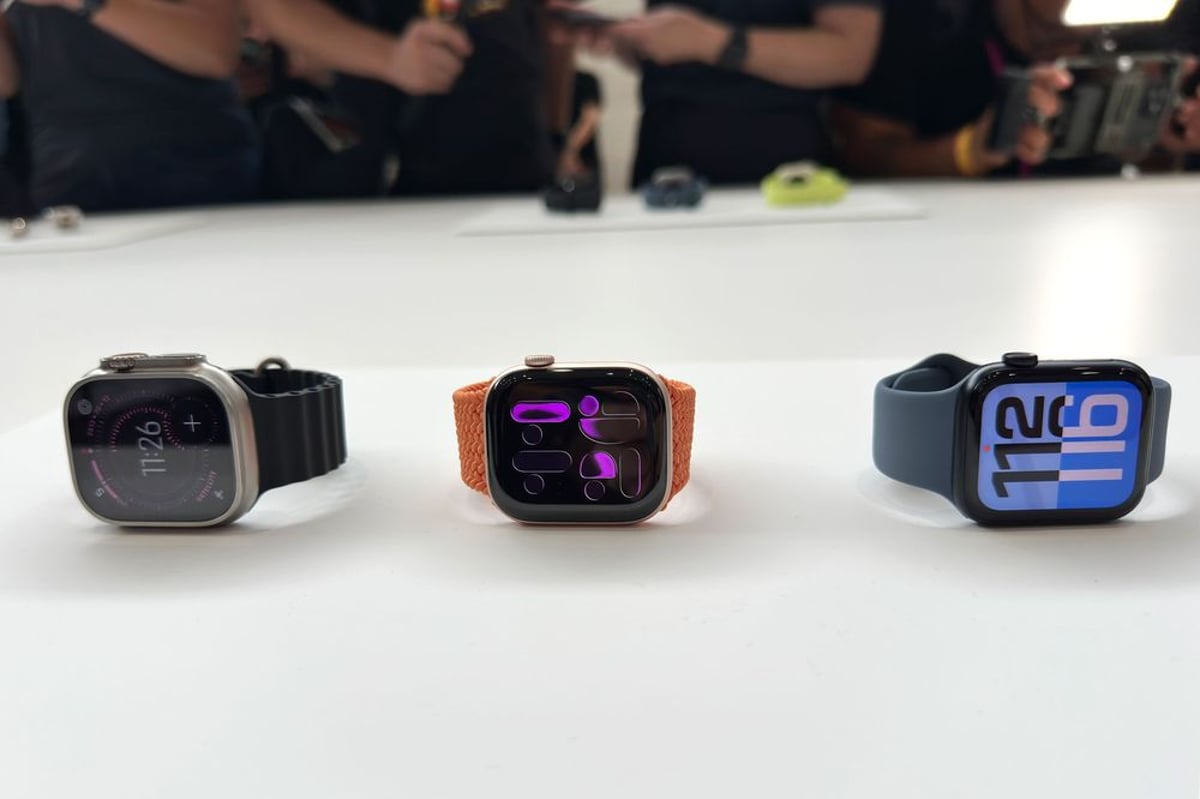
During hands-on testing, the SE 3 proved nearly indistinguishable from its pricier sibling. 'At first I thought the SE 3 I was trying on was the Series 11,' noted The Verge's Victoria Song during the demo session. The only visual differences were slightly larger bezels and color options – a remarkable achievement for a device that costs $150 less than the Series 11's starting price.
The Series 11 itself brings incremental but meaningful improvements. The device now supports 5G cellular connectivity, a feature that could prove crucial as carriers continue expanding their networks. Battery life extends to 24 hours, while new health monitoring includes blood pressure notifications and an enhanced sleep scoring system. Apple claims this will be the thinnest Apple Watch yet, available in larger 42mm and 46mm sizes that should appeal to users with bigger wrists.
Health monitoring represents the clearest differentiator across the lineup. All three models now include sleep apnea detection, a feature that could identify a serious but often undiagnosed condition affecting millions of users. The blood pressure monitoring doesn't provide specific readings – instead, it alerts users when patterns suggest potential hypertension that should be discussed with a healthcare provider.
[Embedded image: Comparison of all three Apple Watch models side by side]
The Ultra 3 maintains its $799 premium positioning with some clever engineering. Apple managed to increase screen real estate while keeping the overall device size identical to the Ultra 2. Smaller bezels create the illusion of a larger display without adding bulk – crucial for a device already pushing the limits of wrist comfort. Battery life jumps to an impressive 42 hours, making this genuinely viable for multi-day adventures.
Satellite connectivity arrives across the cellular-enabled models, building on the emergency SOS features introduced in recent iPhones. While the hands-on environment wasn't ideal for testing this functionality, the feature could prove invaluable for outdoor enthusiasts and emergency situations where cellular coverage fails.
Pricing strategy reveals Apple's broader market ambitions. The SE 3's aggressive feature set at $249 positions it as a direct competitor to fitness trackers from Fitbit and Garmin, while the Ultra 3's $799 price point targets serious athletes currently using dedicated sports watches.
The 5G implementation deserves particular attention as carriers prepare for broader mmWave deployments. While current LTE connectivity on Apple Watches works adequately for basic functions, 5G should enable more sophisticated applications – think real-time health monitoring uploads, enhanced GPS accuracy, and potentially even light app functionality independent of a paired iPhone.
Apple's Ion-X glass upgrade addresses a longtime complaint about screen durability. The new material promises significantly better scratch resistance, though real-world testing will determine whether it lives up to marketing claims. Given that smartwatch screens endure constant contact with surfaces, clothing, and daily wear, improved durability could extend device lifespan considerably.
The competitive implications extend beyond just wearables. Samsung's Galaxy Watch series has been gaining ground with advanced health monitoring and longer battery life. Apple's response focuses on ecosystem integration – features like seamless iPhone pairing, Siri functionality, and App Store access that Android competitors struggle to match.
Manufacturing timing suggests Apple is preparing for holiday season demand while addressing supply chain lessons learned from previous launches. The company's ability to deliver three distinct models simultaneously indicates confidence in production capacity and component availability.
Watch for how health monitoring features perform in FDA review processes. While sleep apnea detection and blood pressure alerts represent significant advances, regulatory approval and clinical validation will determine their real-world utility and insurance coverage potential.
Apple's 2025 smartwatch lineup represents thoughtful evolution rather than revolution, but the improvements hit where they matter most. The SE 3's feature parity with higher-end models at $249 could finally make Apple Watches accessible to mainstream consumers, while health monitoring advances across all models position the platform as a serious wellness tool. The real test will be whether 5G connectivity and satellite features justify the premium pricing in everyday use, but early impressions suggest Apple has delivered meaningful upgrades that should keep the company ahead of increasing competition from Samsung and fitness-focused brands.