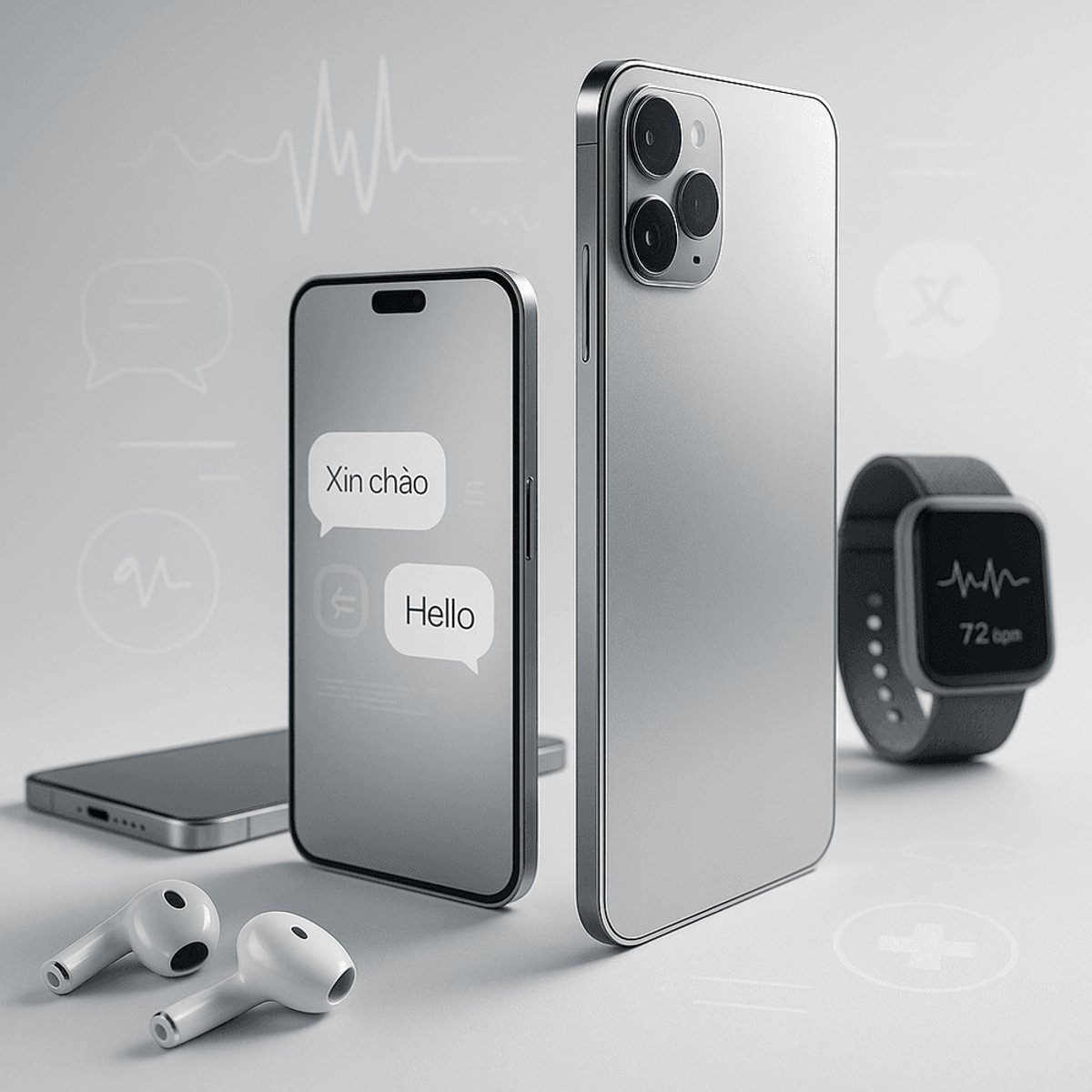
Apple just delivered its biggest hardware refresh in years, unveiling the ultra-thin iPhone Air alongside the iPhone 17 lineup, three redesigned Apple Watches, and AirPods Pro 3 with live translation. The iPhone Air at just 5.6mm thick replaces the Plus model, while new health monitoring and AI-powered features signal Apple's push beyond traditional smartphone boundaries.
Apple just rewrote its hardware playbook with the most dramatic iPhone redesign in years. The company's September event delivered the ultra-thin iPhone Air, a complete Apple Watch overhaul, and AirPods that can translate conversations in real-time - but it's the iPhone Air's radical 5.6mm profile that's got the industry buzzing.
The iPhone Air replaces the Plus model entirely, marking Apple's boldest design bet since removing the headphone jack. At $999, it sits between the base iPhone 17 ($799) and iPhone 17 Pro ($1,099), but sacrifices the dual-camera system for that impossibly thin form factor. The tradeoff involves high-density silicon-carbon batteries that Apple claims still deliver 27 hours of video playback - matching the old iPhone 16 Plus despite being nearly half as thick.
"We've completely reimagined what an iPhone can be," Apple executives said during the presentation, though they notably shipped a low-profile MagSafe battery pack alongside the Air - suggesting even Apple has concerns about real-world battery performance.
The iPhone 17 Pro models showcase what happens when Apple prioritizes performance over thinness. The new "Camera Plateau" design houses a vapor chamber cooling system and a 48-megapixel telephoto camera capable of 4x optical zoom and 8x "optical-like" zoom. More intriguingly, the 18-megapixel front camera supports Center Stage auto-framing and Dual Capture for simultaneous video recording - features that scream social media optimization.
All new iPhones pack Apple's N1 wireless chip with Wi-Fi 7 and Bluetooth 6, but only the iPhone Air gets the company's homegrown C1X modem. The catch? The C1X doesn't support millimeter wave 5G, limiting the Air to sub-6 networks. It's a telling compromise that reveals Apple's modem isn't quite ready for prime time across the entire lineup.
The Apple Watch transformation feels equally significant. After last year's lackluster 10th anniversary edition, Apple delivered three completely refreshed models. The Watch SE finally gets the S10 chip, bringing sleep tracking and satellite messaging to the $249 entry model. The Series 11 ($399) and Ultra 3 ($799) add hypertension monitoring - pending FDA clearance within the month - using 30-day optical heart sensor readings to detect symptoms affecting one-third of the global population.
But it's the battery life improvements that mark the biggest leap forward. The Series 11 delivers a full 24 hours, while the Ultra 3 hits 72 hours in low power mode. For a device that's struggled with daily battery life for a decade, this represents a fundamental shift in usability.
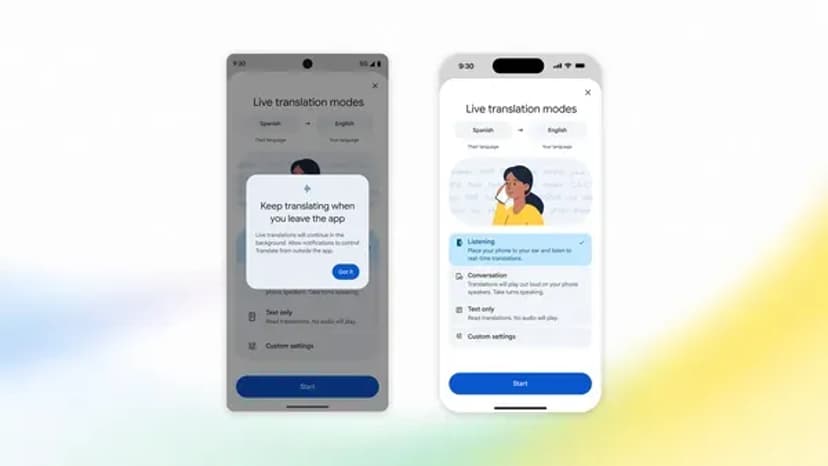
AirPods Pro 3 ($249) bring the most compelling AI integration of the event. A simple twist gesture on the stem activates live language translation, displaying text on the iPhone screen while delivering audio to the wearer's ear. When both participants wear AirPods Pro 3, conversations translate in real-time in each person's ear - though Apple's track record with AI accuracy remains questionable.
The broader AI story feels more muted this year. While Apple equipped the iPhone 17 with an A19 Pro chip featuring neural accelerators in the GPUs - claiming MacBook Pro-level computing power - the company spent little time hyping Apple Intelligence features. That restraint likely reflects ongoing struggles with AI implementation that have left Apple's initial AI features underwhelming compared to marketing promises.
The accessories tell their own story about Apple's design priorities. The iPhone Air gets a special clear case and silicone bumper designed to preserve its svelte profile, while Pro models feature woven cases with cross-hatched microfiber patterns. A new cross-body strap lets users wear their iPhone like a purse - a frankly bizarre accessory that suggests Apple sees phones as fashion statements first.
All devices launch September 19, with iOS 26 arriving September 15. The pricing strategy reveals Apple's confidence: the iPhone Air costs more than many flagship Android devices despite having a single camera, while the Pro Max hits $1,199. It's a bet that consumers will pay premium prices for radical thinness and incremental camera improvements.
Apple's hardware blitz signals a company betting big on form factor innovation and health monitoring while keeping AI ambitions deliberately restrained. The iPhone Air's extreme thinness gamble could either redefine smartphone design or expose the limits of battery technology. Meanwhile, the Apple Watch's battery life breakthrough and health monitoring expansion position it as a genuine medical device rather than just a smart accessory. Whether consumers will pay premium prices for these incremental advances remains the billion-dollar question, but Apple's track record suggests they're willing to bet on radical design over conservative improvements.